
IFFK Screens All Films Amid Centre's Clearance Controversy
🚨 Breaking Bollywood News Alert! Get the complete inside story. Updated December 16, 2025.
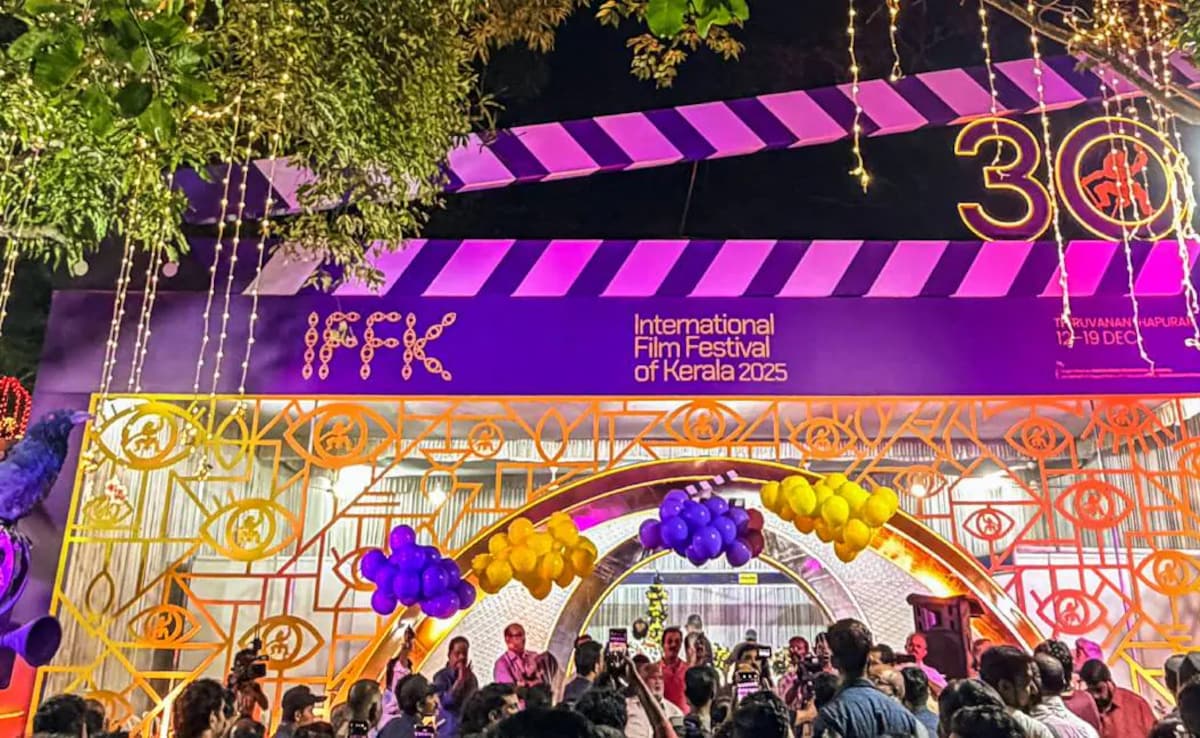
IFFK To Screen All Selected Movies Despite Centre Denying Clearance
📰 RSS Feed Image
📖 Table of Contents
🎬 Latest Development: IFFK Defies Centre's Clearance Snub, Vows to Screen All Selected Films!
IFFK screens all films.
📋 What You Need to Know
The International Film Festival of Kerala (IFFK), a beacon of independent and world cinema, has found itself at the heart of a significant controversy, highlighting the perennial tension between artistic freedom and governmental oversight. Despite the Central government denying clearance for several selected films, the festival organizers have bravely declared their intention to screen all movies initially chosen for the event. This defiant stance comes after only four of the 19 films awaiting censor exemptions were granted permission, leaving a considerable number in limbo. IFFK's resolute decision sends a powerful message about the sanctity of artistic expression and the autonomy of cultural institutions, setting the stage for a compelling debate on censorship and freedom in the Indian cinematic landscape.
🎭 Complete Story
The saga began when a significant number of films slated for screening at the prestigious IFFK encountered hurdles from the Central government. Out of 19 films that required clearance or censor exemptions, a mere four were eventually approved, leaving the fate of the remaining 15 hanging in the balance. This move by the Centre sparked immediate concern among filmmakers, cinephiles, and advocates for artistic freedom. Film festivals, by their very nature, are platforms designed to showcase diverse voices, experimental narratives, and often challenging perspectives that might not find a place in mainstream commercial cinema. The denial of clearance, therefore, was perceived as a direct infringement on the festival's curatorial independence and a potential chilling effect on creative expression. However, in a bold and commendable move, the organizers of IFFK unequivocally announced their decision to proceed with the screening of all selected films, irrespective of the Central government's clearance status. This decision underscores the festival's unwavering commitment to its mandate of promoting a wide spectrum of cinema and supporting independent filmmakers. The implications of such a stand are significant. While the festival committee has assured that it will handle any potential legal or administrative repercussions, their priority remains the preservation of artistic integrity and the right of films to be seen by their intended audience. This act of defiance not only champions the cause of the affected filmmakers but also reignites a crucial national conversation about the role of censorship bodies, the limits of governmental interference in cultural events, and the fundamental importance of an unhindered creative space. The festival's leadership articulated that they would explore all available avenues to ensure every film reaches the audience, even if it means navigating complex legal and bureaucratic challenges.
📊 Industry Analysis
The controversy surrounding IFFK's film clearances is not an isolated incident but rather indicative of a broader, ongoing debate about censorship and artistic freedom in India. Film festivals, unlike commercial releases, often feature films that push boundaries, explore sensitive topics, or offer critical perspectives on society and politics. For such films to be subjected to the same rigorous clearance processes as commercial releases can be seen as counterproductive to the very essence of a festival – which is to celebrate diverse cinematic voices. Historically, India has had a complex relationship with censorship, with the Central Board of Film Certification (CBFC) often facing criticism for its conservative approach and perceived overreach. This situation at IFFK highlights the need for a re-evaluation of policies governing film festivals, advocating for greater autonomy and fewer bureaucratic hurdles for non-commercial, artistic screenings. The global standard for film festivals often involves a more relaxed approach to censorship, recognizing their role as cultural exchange platforms. The IFFK's stand, therefore, serves as a crucial moment for the Indian film industry to collectively advocate for greater creative freedom and a more progressive regulatory framework.
💬 Expert Commentary
"This move by IFFK is a significant assertion of artistic autonomy," states Mr. Rahul Verma, a prominent legal expert specializing in media and entertainment law. "While the government has a right to regulate, the spirit of film festivals calls for a more nuanced approach. The IFFK's decision to screen all films, despite the clearance issues, puts the onus back on the authorities to justify their actions and sparks a much-needed conversation about the scope of censorship in a democratic society. It champions the filmmakers' right to expression and the audience's right to access diverse content." Adding to this, Dr. Sumita Roy, a film historian and cultural critic, remarks, "Film festivals like IFFK are vital cultural institutions. They are not merely entertainment venues but spaces for critical discourse, cultural exchange, and the nurturing of independent cinema. Any attempt to curtail their curatorial freedom undermines their fundamental purpose and impacts the broader ecosystem of artistic expression in India. The IFFK's stand is a brave one, echoing similar battles fought by artists globally for creative freedom."
🔗 Related Context
This incident at IFFK draws parallels with numerous past controversies where artistic works in India have faced obstacles from governmental bodies or pressure groups. From literary works being banned to plays being stopped, the struggle for artistic freedom is a recurring theme in India's cultural landscape. Globally, many renowned film festivals, such as Cannes, Berlin, and Venice, operate with significant curatorial independence, often showcasing films that might be considered controversial in their home countries. The IFFK, being one of India's most respected film festivals, holds immense cultural significance for Kerala and the wider Indian independent film circuit. Its history is replete with showcasing groundbreaking cinema, making its current stand against external interference a powerful symbol of resistance and a reaffirmation of its core values. The festival's commitment is a testament to the enduring power of art to challenge norms and foster dialogue.
🔍 Explore More Bollywood Content
Stay connected with the latest happenings in Hindi cinema:
Get the latest breaking news and updates from Hindi cinema
Comprehensive coverage of the Indian film industry
Breaking news from the world of Hindi cinema
💡 Visit Hindi Cinema News for more.
🎯 Key Takeaways
The decision by the International Film Festival of Kerala to screen all selected movies, despite the Centre's denial of clearance for many, stands as a powerful declaration in favor of artistic freedom and institutional autonomy. This courageous stance not only highlights the ongoing challenges faced by independent cinema in India but also sparks a vital dialogue about the boundaries of censorship and the importance of an unfettered creative environment. As IFFK prepares to showcase its full lineup, its actions serve as an inspiring example for cultural organizations worldwide, reinforcing the idea that the integrity of art and the right to expression must ultimately prevail over bureaucratic hurdles. The festival's commitment ensures that diverse stories will be told, and voices will be heard, regardless of external pressures.
❓ Frequently Asked Questions
Q: When did this news break?
A: This story was reported today with comprehensive coverage as details emerge.
Q: What makes this significant?
A: This development represents an important moment in the Hindi film industry.
📢 Stay Updated
Don't miss breaking entertainment news! Follow us for real-time updates.
What's your take? Share your thoughts in the comments!
