
Rakesh Bedi's 'Verdict' on Dhurandhar 2 'Propaganda' Attack
🚨 Breaking Bollywood News Alert! Get the complete inside story. Updated March 19, 2026.
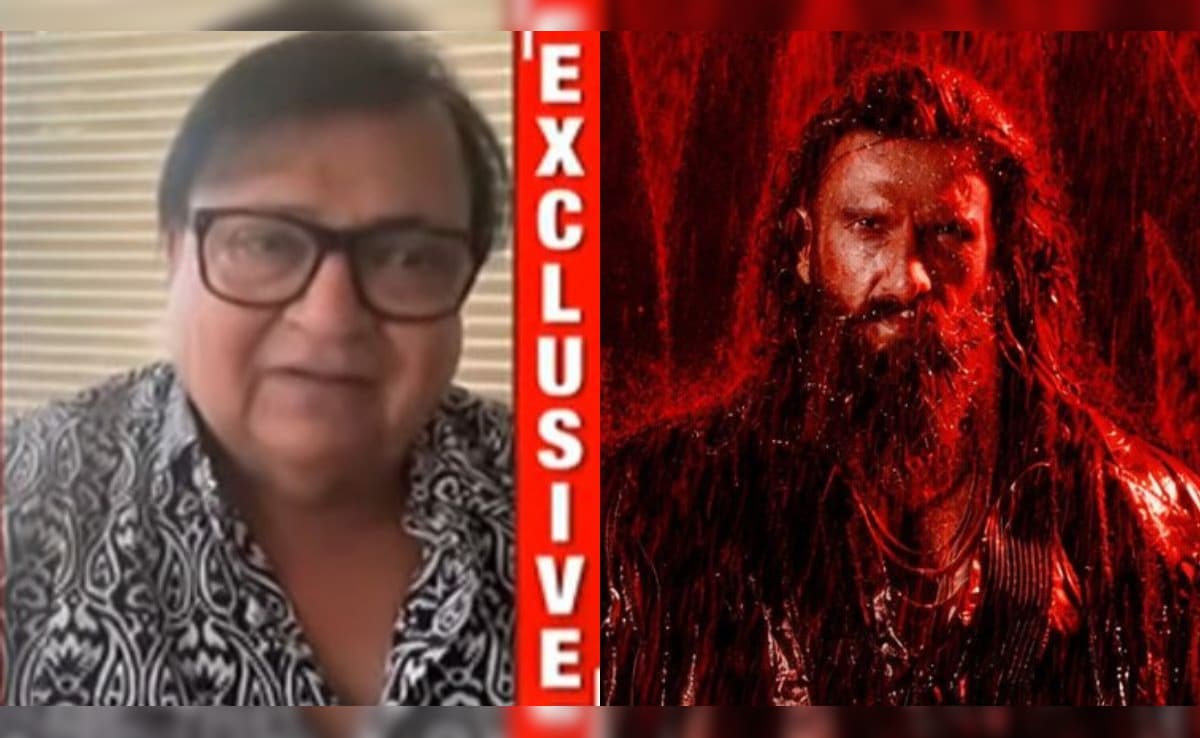
Exclusive: Rakesh Bedi's 'Verdict' Counter To Dhurandhar 2 'Propaganda' Attack
📰 RSS Feed Image
📖 Table of Contents
🎬 Latest Development: Rakesh Bedi Slams Dhurandhar 2 'Propaganda' Claims, Defends Role as Jameel Jamali
Actor Counters Film's Political Narrative
📋 What You Need to Know
In a surprising turn, veteran actor Rakesh Bedi has voiced his strong 'verdict' against the ongoing 'propaganda' attacks surrounding Dhurandhar 2, the much-anticipated sequel fronted by Ranveer Singh. Bedi, who reprises his role as the controversial Pakistani politician Jameel Jamali, has stepped forward to address criticisms suggesting the film promotes a specific political narrative. His comments offer a unique perspective from within the production, aiming to clarify the artistic intentions behind the movie and its portrayal of characters. This intervention by Bedi highlights the sensitive nature of geopolitical themes in cinema and the constant scrutiny faced by filmmakers when tackling such subjects, especially in a high-profile production like Dhurandhar 2.
🎭 Complete Story
Rakesh Bedi, a seasoned actor with a distinguished career, has entered the fray surrounding Dhurandhar 2, directly addressing allegations of 'propaganda' against the film. His character, Jameel Jamali, a vile Pakistani politician, is central to the narrative, and Bedi's reprisal of the role in the Ranveer Singh-led spy thriller has brought him into the spotlight of this debate. Bedi's 'verdict' is a robust counter to the criticisms, emphasizing that the film's portrayal is rooted in storytelling and character development rather than a deliberate political agenda. He asserts that his performance, and indeed the film's narrative, is designed to serve the plot and enhance the dramatic tension inherent in a spy thriller. According to Bedi, the creative team's intention was to craft a compelling antagonist who challenges the protagonist, Jaskirat Singh Rangi (Ranveer Singh), and drives the story forward, rather than to make a direct political statement. He argues that interpreting such character portrayals as 'propaganda' oversimplifies the artistic process and disregards the complexities of cinematic narrative. Bedi also touched upon the responsibility of actors to breathe life into their roles, regardless of the character's moral compass. He believes that portraying a 'vile' character like Jamali requires an actor to delve into the motivations and psyche, which is an artistic endeavor, not an endorsement of the character's ideology. This stance from a prominent cast member offers valuable context to the ongoing discussions, urging viewers and critics to look beyond superficial interpretations and appreciate the film for its artistic merit and storytelling. His comments underscore the fine line filmmakers walk when dealing with sensitive geopolitical themes, where artistic expression can often be misconstrued as political messaging.
📊 Industry Analysis
The controversy surrounding Rakesh Bedi's character in Dhurandhar 2 and the subsequent 'propaganda' claims underscore a recurring challenge in the Indian film industry: the intersection of entertainment, politics, and national sentiment. Films that venture into geopolitical thrillers often face intense scrutiny, with every character and plot point potentially interpreted through a political lens. This dynamic creates a tightrope walk for filmmakers, who must balance creative freedom with public perception and potential backlash. The debate around Dhurandhar 2 highlights how easily fictional portrayals can be conflated with real-world political agendas, leading to accusations of 'propaganda.' Such controversies, while sometimes challenging, also inadvertently generate significant media attention and public discussion, which can contribute to a film's visibility. However, they also pose a risk to the artistic integrity of the work, often overshadowing its cinematic qualities. The industry's response to these situations often involves actors or directors stepping forward to clarify intentions, as Rakesh Bedi has done. This situation reflects a broader trend where films are increasingly viewed not just as entertainment but as cultural and political statements, a trend amplified by social media and rapid news dissemination.
💬 Expert Commentary
"Rakesh Bedi's statement is a crucial intervention in the ongoing debate around Dhurandhar 2," says Dr. Priya Singh, a renowned film studies professor. "His perspective, as an actor bringing a 'vile' character to life, highlights the distinction between artistic portrayal and political endorsement. Often, in films dealing with sensitive geopolitical themes, antagonists from rival nations are designed to embody certain negative stereotypes for narrative convenience. While this can be creatively effective, it also opens the door to accusations of propaganda, especially in a highly charged political climate. Bedi's defense underscores the actor's role in interpreting a script, not necessarily aligning with the character's ideology. It forces us to ask whether audiences are mature enough to differentiate between a fictional character's actions and the filmmaker's broader message. The challenge for films like Dhurandhar 2 is to create compelling drama without inadvertently fueling real-world tensions or being perceived as overtly partisan. Bedi's nuanced explanation attempts to steer the conversation back to artistic intent."
🔗 Related Context
The portrayal of characters from neighboring countries in Indian cinema, particularly in action or spy thrillers, has long been a sensitive subject. Films often depict antagonists from Pakistan or China, leading to debates about stereotyping, jingoism, and whether such portrayals contribute to nationalistic sentiment. While many filmmakers argue that these are fictional narratives designed for entertainment, critics often point to the potential for these depictions to influence public perception and reinforce biases. The 'Dhurandhar' franchise, with its focus on Indian spies and international threats, naturally navigates this complex terrain. The controversy surrounding Rakesh Bedi's character, Jameel Jamali, is not an isolated incident but rather part of a larger, ongoing discussion within the industry and among audiences regarding responsible storytelling in a politically charged environment. This dialogue is crucial for shaping how such sensitive themes are approached in future cinematic ventures.
🔍 Explore More Bollywood Content
Stay connected with the latest happenings in Hindi cinema:
Breaking news from the world of Hindi cinema
Comprehensive coverage of the Indian film industry
Exclusive stories about your favorite Bollywood stars
💡 Visit Hindi Cinema News for more.
🎯 Key Takeaways
Rakesh Bedi's emphatic 'verdict' against the 'propaganda' claims targeting Dhurandhar 2 offers a valuable insider's perspective, emphasizing the artistic motivations behind his portrayal of Jameel Jamali. His clarification helps to frame the discussion around the film's narrative within the realm of creative storytelling rather than political messaging. While films dealing with sensitive geopolitical subjects are inevitably prone to such interpretations, Bedi's defense highlights the nuanced distinction between a character's role in a fictional plot and real-world political agendas. This incident serves as a reminder of the delicate balance filmmakers and actors must maintain when tackling such themes, and the ongoing dialogue between artistic intent and audience perception. Ultimately, Dhurandhar 2 aims to deliver an engaging spy thriller, and Bedi's intervention seeks to ensure that its narrative is appreciated for its dramatic qualities.
❓ Frequently Asked Questions
Q: When did this news break?
A: This story was reported today with comprehensive coverage as details emerge.
Q: What makes this significant?
A: This development represents an important moment in the Hindi film industry.
📢 Stay Updated
Don't miss breaking entertainment news! Follow us for real-time updates.
What's your take? Share your thoughts in the comments!
