
Nani Draws Flak Over "Go Back To Braids" Comment on Hairstyles
🚨 Breaking Bollywood News Alert! Get the complete inside story. Updated September 20, 2026.
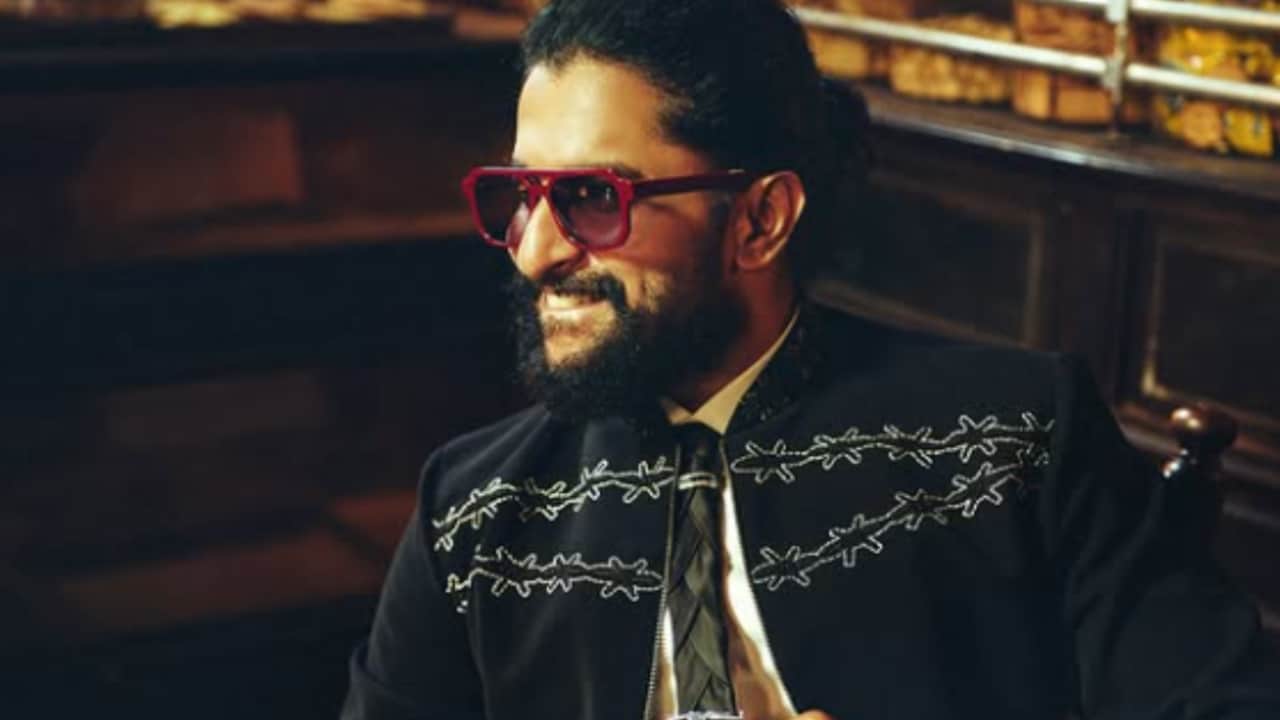
"Go Back To Braids": Nani Draws Flak Over Remarks On Women's Hairstyles
📰 RSS Feed Image
📖 Table of Contents
🎬 Latest Development: Nani's "Go Back To Braids" Remark Sparks Online Controversy Over Women's Hairstyles
Nani's hairstyle comments draw criticism.
📋 What You Need to Know
Telugu superstar Nani, known for his affable charm and diverse roles, recently found himself at the centre of an online storm following remarks he made about women's hairstyles. During a playful exchange with reporters, Nani suggested women "go back to braids," a comment that, despite its seemingly lighthearted delivery, quickly drew significant criticism online. The incident sparked a broader discussion about casual sexism, unsolicited advice, and the expectations placed on women regarding their appearance in the public eye. While Nani’s intention might have been innocuous, the swift backlash highlights the increasing sensitivity and scrutiny towards celebrity statements, especially concerning gender roles and personal choices, reflecting a societal shift towards greater accountability for public figures.
🎭 Complete Story
Nani, often referred to as the 'Natural Star' of Telugu cinema, has cultivated an image of a relatable and charming actor through his impressive filmography, which includes hits like 'Jersey' and 'Dasara.' His public interactions are typically marked by warmth and good humour. The controversial comments emerged during a casual media interaction, where the topic of women's hairstyles somehow arose. Nani, in what was reportedly a jovial manner, remarked that women should "go back to braids." This seemingly innocuous suggestion, made perhaps without malicious intent, quickly spiralled into a subject of intense debate on social media platforms. The immediate reaction from some reporters present was reportedly lighthearted, indicating the informal context in which the remark was made. However, once the comments reached the wider online audience, particularly on platforms like X (formerly Twitter) and Instagram, the tone shifted dramatically. Critics argued that even if made in jest, such remarks contribute to a culture where women's appearance is constantly policed and dictated by others. Many users pointed out that it was an unsolicited opinion on a woman's personal choice, infringing upon bodily autonomy and personal expression. The backlash was swift and widespread, with users calling out the inherent sexism in telling women how they "should" wear their hair, regardless of the celebrity's standing or perceived intent. For many, it represented a subtle but pervasive form of patriarchal expectation that women conform to traditional aesthetics. The incident underscores the heightened sensitivity around gender issues in contemporary discourse and the expectation for public figures to be mindful of the implications of their statements, even those made in a casual setting. This event serves as a stark reminder that what might be considered a harmless joke by some can be deeply offensive and problematic to others, especially when it touches upon personal freedoms and gender equality.
📊 Industry Analysis
Nani's "Go Back To Braids" comment and the subsequent online backlash perfectly encapsulate the challenges public figures face in the age of social media and heightened social awareness. The entertainment industry, particularly in India, is grappling with evolving societal norms and increased scrutiny over celebrity conduct and statements. Firstly, this incident highlights the diminishing margin for error for celebrities in public discourse. What might have been dismissed as a casual, harmless remark a decade ago is now swiftly amplified and dissected online, leading to widespread criticism. This calls for greater mindfulness from public figures regarding their language and the potential implications of their statements, especially concerning sensitive topics like gender, appearance, and personal autonomy. Secondly, it reflects a growing intolerance for casual sexism, even when presented playfully. Audiences, particularly younger generations and women's rights advocates, are increasingly vocal about challenging patriarchal norms and demanding respect for individual choices. This pressure is forcing the entertainment industry to re-evaluate its portrayal of women and the language used by its stars. Thirdly, the incident underscores the power of social media in shaping public opinion and holding celebrities accountable. Online platforms provide a direct avenue for public criticism, bypassing traditional media filters. This democratisation of feedback means that celebrities can no longer rely solely on their charisma; they must also navigate a complex landscape of social responsibility. Finally, it serves as a learning moment for the industry as a whole, prompting discussions about media training for stars, the role of publicists in anticipating backlash, and the broader need for sensitivity and inclusivity in celebrity communications.
💬 Expert Commentary
"Nani's comments, regardless of his intent, demonstrate a critical blind spot many public figures still have regarding gender sensitivity," asserts Dr. Anjali Rao, a sociologist specializing in gender studies. "Even a 'playful' suggestion about women's hairstyles can reinforce patriarchal expectations that dictate women's appearance, stripping them of personal agency. The swift online backlash is a clear indication that audiences are no longer tolerating such casual sexism." Mr. Karan Sharma, a celebrity PR consultant, points out the impact on brand image: "In today's environment, a comment like this can significantly damage a celebrity's brand. Audiences expect their idols to be progressive and inclusive. Nani's team will need to manage this carefully, possibly through a sincere apology and a demonstration of understanding the criticism." Media critic Ms. Leena Devi adds, "The incident highlights the double-edged sword of celebrity access. While direct interaction fosters connection, it also opens the door to unscripted moments that can backfire spectacularly. It's a wake-up call for celebrities to be consistently mindful of their public persona and the societal context in which they operate, even during informal exchanges with the media." These perspectives collectively underline the gravity of such remarks in the current socio-cultural climate, emphasising the need for greater awareness and accountability from public figures.
🔗 Related Context
The controversy surrounding Nani's comments is not an isolated incident in the Indian entertainment industry. In recent years, several public figures have faced criticism for remarks perceived as sexist, misogynistic, or insensitive. This trend reflects a broader societal shift where discussions around gender equality, consent, and bodily autonomy are gaining significant traction. From comments on actresses' clothing choices to unsolicited advice on women's behaviour, such instances often spark heated debates online, indicating a growing intolerance for traditional patriarchal attitudes. This heightened scrutiny encourages celebrities to be more circumspect in their public statements, forcing a re-evaluation of what constitutes acceptable discourse. Furthermore, the incident can be contextualised within the ongoing efforts by women in various industries to reclaim agency over their bodies and choices, including their aesthetic expressions. The "Go Back To Braids" comment, for many, symbolises a desire to control women's appearance and harks back to a time when conformity was more expected. The backlash, therefore, is not just about a single comment but a collective pushback against entrenched gender stereotypes and an assertion of individual freedom, making it a significant moment in the ongoing dialogue around celebrity responsibility and social progress in India.
🔍 Explore More Bollywood Content
Stay connected with the latest happenings in Hindi cinema:
Comprehensive coverage of the Indian film industry
Get the latest breaking news and updates from Hindi cinema
Expert reviews and ratings of the latest Hindi films
💡 Visit Hindi Cinema News for more.
🎯 Key Takeaways
Nani's "Go Back To Braids" comment, initially perceived as a playful remark, has inadvertently ignited a crucial conversation about casual sexism and the policing of women's appearance. The swift and widespread online criticism serves as a powerful reminder of the evolving expectations placed on public figures and the increasing demand for sensitivity and inclusivity in public discourse. While the intent behind his words may have been innocuous, the impact underscores the need for celebrities to be acutely aware of the implications of their statements, especially concerning personal choices and gender equality. This incident, therefore, is not merely a fleeting controversy but a significant moment reflecting a societal shift towards greater accountability and a collective assertion of individual autonomy. It highlights the ongoing challenges and responsibilities of navigating fame in a socially conscious era, urging all public figures to engage with greater thoughtfulness and respect.
❓ Frequently Asked Questions
Q: When did this news break?
A: This story was reported today with comprehensive coverage as details emerge.
Q: What makes this significant?
A: This development represents an important moment in the Hindi film industry.
📢 Stay Updated
Don't miss breaking entertainment news! Follow us for real-time updates.
What's your take? Share your thoughts in the comments!
