
Farhan Akhtar Calls Naseeruddin Shah's Criticism "Distasteful"
🚨 Breaking Bollywood News Alert! Get the complete inside story. Updated November 10, 2025.
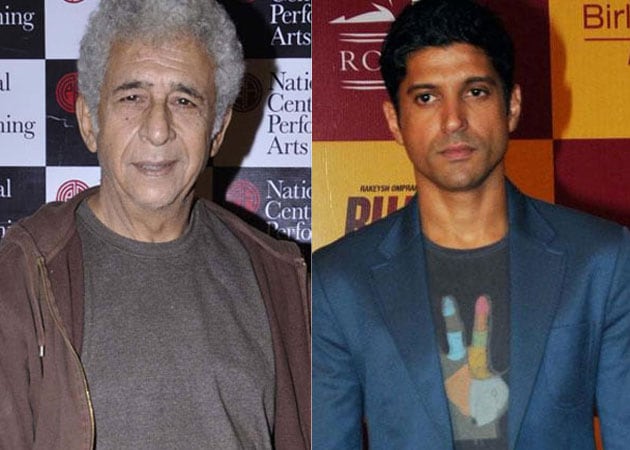
Farhan Akhtar Calls Naseeruddin Shah's Criticism Of Bhaag Milkha Bhaag After 12 Years "Distasteful"
📰 RSS Feed Image
📖 Table of Contents
🎬 Latest Development: Farhan Akhtar Deems Naseeruddin Shah's 12-Year-Old Bhaag Milkha Bhaag Criticism "Distasteful"
Film criticism sparks industry debate.
📋 What You Need to Know
A recent resurgence of a twelve-year-old critique by veteran actor Naseeruddin Shah regarding Farhan Akhtar's performance in *Bhaag Milkha Bhaag* has ignited a fresh debate, with Akhtar himself labeling the timing and manner of the feedback as "distasteful." This candid response from Farhan Akhtar opens a window into the nuanced dynamics of artistic criticism within Bollywood, particularly when it comes from a peer and resurfaces years after a film's release. Akhtar's stance emphasizes the importance of constructive engagement and personal dialogue over public pronouncements, highlighting the sensitivities involved when creative works are judged, especially by respected figures within the same industry. The incident underscores the delicate balance between artistic freedom, critical analysis, and professional courtesy.
🎭 Complete Story
The controversy surrounding Naseeruddin Shah's belated criticism of *Bhaag Milkha Bhaag* and Farhan Akhtar's subsequent reaction has brought to light the complexities of film criticism, especially when it involves industry insiders. Naseeruddin Shah, an actor of immense repute and known for his outspoken nature, had reportedly expressed his disapproval of Akhtar's portrayal of Milkha Singh over a decade ago, but its recent re-emergence in public discourse prompted Akhtar to address it directly. Farhan Akhtar, who poured his heart and soul into the biographical sports drama, delivered a performance that was widely acclaimed by critics and audiences alike, earning him numerous awards. His dedication to transforming physically and mentally for the role was well-documented. Therefore, to have such a significant critique resurface after 12 years, especially from a respected peer, understandably struck a sour note with Akhtar. He articulated that while he values honest feedback, he prefers personal conversations over public statements, particularly when the comments are made years after the fact and without direct engagement. This sentiment highlights a common unwritten rule within creative industries: constructive criticism is best delivered privately, especially when it concerns a colleague's work. The timing of Shah's comments, years after the film's success and the industry's general acceptance of Akhtar's performance, is what Farhan found particularly "distasteful," suggesting a lack of appropriate professional etiquette. This incident underscores the deep personal investment actors make in their roles and the impact of public commentary on their creative efforts.
📊 Industry Analysis
The Indian film industry, like any creative field, thrives on both collaboration and critical discourse. However, the manner and timing of criticism, particularly from established figures towards peers, are often subject to unwritten codes of conduct. Naseeruddin Shah's renewed critique of *Bhaag Milkha Bhaag* after 12 years, and Farhan Akhtar's public reaction, illustrate a tension point: the balance between candid artistic assessment and professional respect. While artistic freedom allows for diverse opinions, the industry often prefers private channels for pointed feedback, especially when it concerns performances that have already been widely celebrated. This episode highlights how public criticism, especially when it's delayed or revived without a new context, can be perceived as undermining rather than constructive. It also underscores the generational divide in how criticism is delivered and received, with younger artists often preferring direct, actionable feedback over retrospective public pronouncements. The debate ultimately sparks a necessary conversation about the etiquette of critique within a close-knit industry.
💬 Expert Commentary
"This entire episode touches upon a very sensitive nerve in the film industry: how do artists critique each other?" explains Dr. Priya Sharma, a cultural studies expert focusing on Indian cinema. "Naseeruddin Shah is an institution, known for his blunt honesty, which is often refreshing. However, Farhan Akhtar's point about the timing and public nature of the criticism after 12 years is equally valid. When a performance has been so widely praised and awarded, bringing up a negative critique so much later, publicly, can feel dismissive of the immense effort involved. It's not about stifling criticism, but about the context and method. Farhan's preference for personal conversation reflects a desire for constructive dialogue rather than a public pronouncement that offers no room for immediate engagement or learning. It highlights the human element in artistic endeavors."
🔗 Related Context
The debate over artistic criticism and celebrity reactions is not new in Bollywood. Various actors and directors have, over the years, expressed discomfort with public criticism, especially when it comes from within the industry. Amitabh Bachchan, for instance, has often spoken about the challenges of accepting negative feedback. The *Bhaag Milkha Bhaag* controversy also brings to mind other instances where legendary films or performances have been re-evaluated years later, sometimes sparking new discussions. However, Akhtar's direct response emphasizes the importance of valuing the hard work and dedication that goes into a performance, especially one as demanding as his portrayal of Milkha Singh. This conversation underscores the ongoing evolution of how feedback is given and received in a rapidly changing media landscape, where every comment can be amplified.
🔍 Explore More Bollywood Content
Stay connected with the latest happenings in Hindi cinema:
Exclusive stories about your favorite Bollywood stars
Latest box office numbers and film business analysis
Get the latest breaking news and updates from Hindi cinema
💡 Visit Hindi Cinema News for more.
🎯 Key Takeaways
Farhan Akhtar's decision to call Naseeruddin Shah's belated criticism of *Bhaag Milkha Bhaag* "distasteful" sheds crucial light on the delicate balance between artistic critique and professional courtesy within the Indian film industry. While valuing honest feedback, Akhtar's preference for private, direct conversations over public, retrospective statements underscores the personal investment and emotional labor involved in creative work. This incident sparks an important dialogue about the etiquette of criticism, particularly among peers, and the impact of such pronouncements on artists. Ultimately, it reinforces the idea that while critical analysis is vital, it should ideally be delivered in a manner that fosters growth and respect, rather than causing public discomfort. The conversation highlights the ongoing need for nuanced communication in the vibrant world of cinema.
❓ Frequently Asked Questions
Q: When did this news break?
A: This story was reported today with comprehensive coverage as details emerge.
Q: What makes this significant?
A: This development represents an important moment in the Hindi film industry.
📢 Stay Updated
Don't miss breaking entertainment news! Follow us for real-time updates.
What's your take? Share your thoughts in the comments!
