
Stay on Ranveer Singh's Dhurandhar Demanded by Major Mohit's Parents
🚨 Breaking Bollywood News Alert! Get the complete inside story. Updated November 28, 2025.
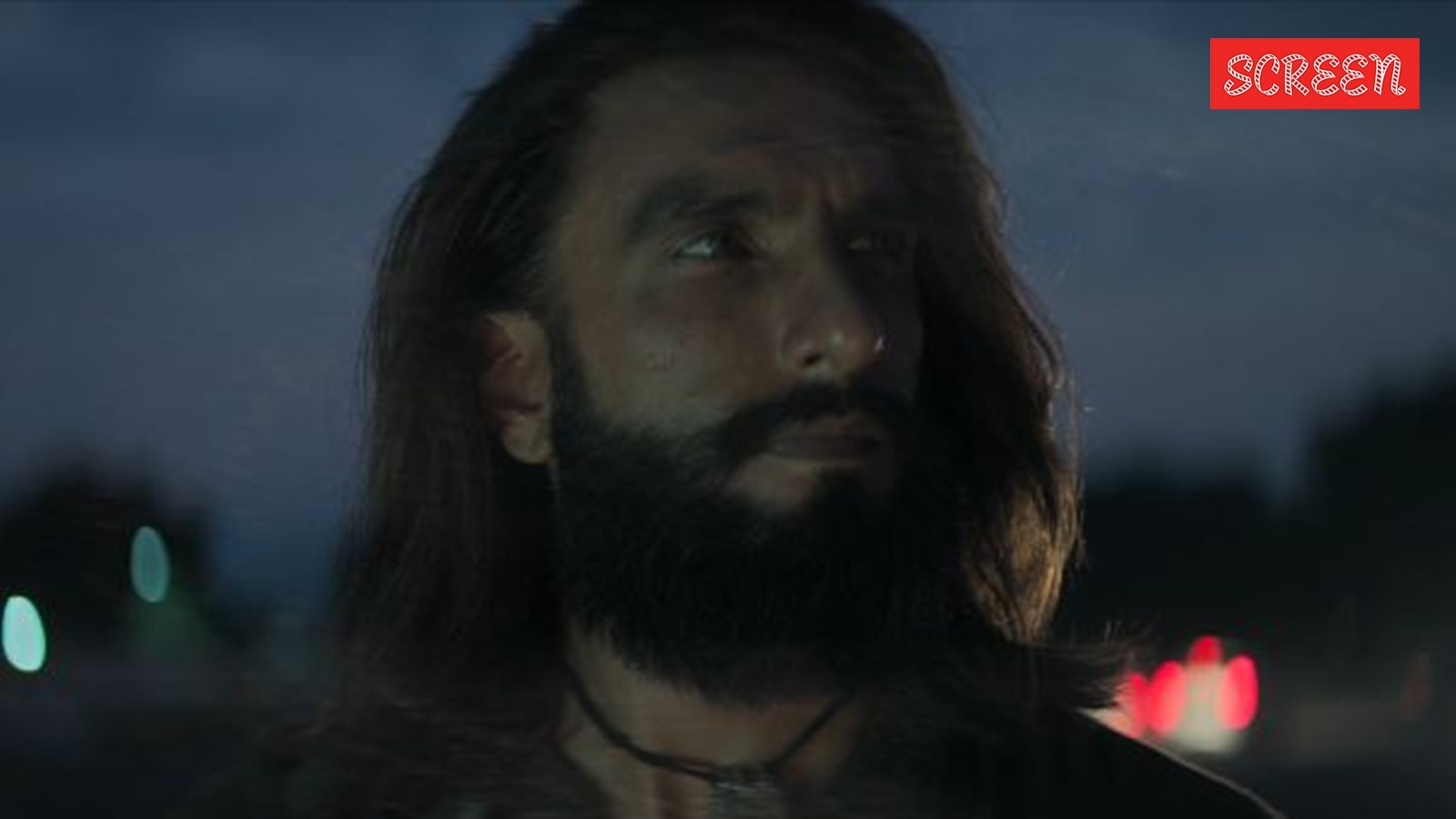
A stay on Ranveer Singh’s Dhurandhar demanded by Major Mohit Sharma’s parents: ‘Not a commercial commodity’
📰 RSS Feed Image
📖 Table of Contents
🎬 Latest Development: 'Not a Commercial Commodity': Major Mohit Sharma's Parents Demand Stay on Ranveer Singh's 'Dhurandhar'
Ethical battle over biopic.
📋 What You Need to Know
A significant legal and ethical controversy has emerged surrounding Ranveer Singh's upcoming film, "Dhurandhar," which is reportedly based on the life of Major Mohit Sharma. The parents of the late decorated army officer have taken a strong stance, demanding a stay on the film's production and release. Their primary contention is that their son, a national hero, should not be treated as a "commercial commodity," expressing concerns over the potential fictionalization and commercial exploitation of his valiant life story. This development ignites a crucial debate about artistic freedom versus the sanctity of personal legacy, particularly when it pertains to national heroes and the sentiments of their grieving families. The situation casts a shadow over the highly anticipated biopic, raising questions about the ethical responsibilities of filmmakers in portraying real-life figures.
🎭 Complete Story
Ranveer Singh's "Dhurandhar" has hit an unexpected roadblock, as the parents of Major Mohit Sharma, the brave soldier whose life story is believed to be the inspiration for the film, have formally demanded a stay on its production and release. Major Mohit Sharma, a recipient of the Ashok Chakra, India's highest peacetime gallantry award, for his exceptional bravery and sacrifice during counter-insurgency operations, is a revered figure. His parents have voiced profound objections, stating unequivocally that their son's life and sacrifice are not for commercial exploitation. Their concern stems from the potential for the film to take artistic liberties that might distort Major Sharma's true character, motivations, or the events of his life, thereby disrespecting his memory and the sentiments of his family.
📊 Industry Analysis
The controversy surrounding "Dhurandhar" and the demand for a stay by Major Mohit Sharma's parents is a significant case study in the evolving landscape of biographical filmmaking. The trend of biopics has surged in recent years, with filmmakers eager to tap into compelling real-life stories. However, this surge has also brought to the forefront complex ethical and legal questions. The primary tension lies between artistic license and factual accuracy, compounded by the sentiments of the individuals or their families involved. When the subject is a national hero, the stakes are even higher, as their story often carries immense public sentiment and national pride. This situation highlights the critical need for filmmakers to secure not just legal rights (if any exist beyond public domain), but also moral consent and active collaboration from the families of the deceased, especially when the narrative is sensitive. Failure to do so can lead to significant backlash, legal battles, and a tarnished public image for the film. The industry is increasingly grappling with these issues, pushing for more transparent and collaborative approaches to biographical narratives, understanding that the commercial success of a film should not come at the cost of disrespecting a personal or national legacy.
💬 Expert Commentary
"This demand for a stay on 'Dhurandhar' by Major Mohit Sharma's parents underscores a fundamental ethical dilemma in biographical filmmaking," states entertainment lawyer Mr. Vivek Singh. "While filmmakers often claim artistic freedom, the moral and sometimes legal imperative to respect the legacy and the sentiments of the deceased's family, especially for national heroes, cannot be overstated. A life is not merely a public domain story to be commercialized without sensitivity. The 'not a commercial commodity' argument resonates strongly because it speaks to the sanctity of sacrifice and personal grief." Film critic and cultural commentator, Ms. Leena Kapoor, adds, "Biopics, by their very nature, walk a tightrope between fact and fiction. The challenge is to create a compelling narrative without distorting the essence of the person or causing distress to their loved ones. When families feel their hero is being commodified, it's a profound betrayal. This incident should serve as a wake-up call for the industry to engage in more rigorous and respectful dialogue with the families of their subjects from the very outset, prioritizing consent, collaboration, and dignity over purely commercial aspirations."
🔗 Related Context
The controversy surrounding "Dhurandhar" is not an isolated incident; many biopics, both in India and globally, have faced similar challenges. Films based on the lives of athletes, political figures, or other national heroes have often sparked debates about historical accuracy, artistic interpretation, and family consent. For instance, films about Mahatma Gandhi, Bhagat Singh, or even recent sports figures have, at various points, generated discussions or legal challenges regarding their depiction. In some cases, families have successfully demanded changes to scripts or even halted production, emphasizing the legal and emotional weight of such objections. The legal framework surrounding intellectual property and posthumous rights can be complex, especially when dealing with individuals whose lives are considered part of public history. However, beyond the legalities, there's a growing recognition within the industry that ethical considerations and respect for personal narratives are paramount. This situation with "Dhurandhar" serves as another critical reminder that while the stories of heroes are inspiring, their portrayal on screen requires immense responsibility, sensitivity, and, ideally, the blessing of those closest to them, to avoid turning a tribute into a source of contention.
🔍 Explore More Bollywood Content
Stay connected with the latest happenings in Hindi cinema:
Expert reviews and ratings of the latest Hindi films
Exclusive stories about your favorite Bollywood stars
First look at movies coming soon to theaters
💡 Visit Hindi Cinema News for more.
🎯 Key Takeaways
The demand for a stay on Ranveer Singh's "Dhurandhar" by Major Mohit Sharma's parents highlights a critical juncture where artistic ambition meets profound personal and national sentiment. Their assertion that their son's sacrifice is "not a commercial commodity" reverberates with ethical weight, challenging the entertainment industry to approach biographical narratives with greater sensitivity and respect. This controversy compels filmmakers to re-evaluate their engagement with the families of their subjects, especially national heroes, ensuring that cinematic portrayals honor rather than exploit their legacies. As the situation unfolds, it will undoubtedly influence future discussions on artistic freedom, ethical filmmaking, and the delicate balance required when bringing real-life stories of immense significance to the big screen.
❓ Frequently Asked Questions
Q: When did this news break?
A: This story was reported today with comprehensive coverage as details emerge.
Q: What makes this significant?
A: This development represents an important moment in the Hindi film industry.
📢 Stay Updated
Don't miss breaking entertainment news! Follow us for real-time updates.
What's your take? Share your thoughts in the comments!
