
Dhurandhar's Dark Inspiration: The Brutality of Uzair Baloch
🚨 Breaking Bollywood News Alert! Get the complete inside story. Updated December 21, 2025.
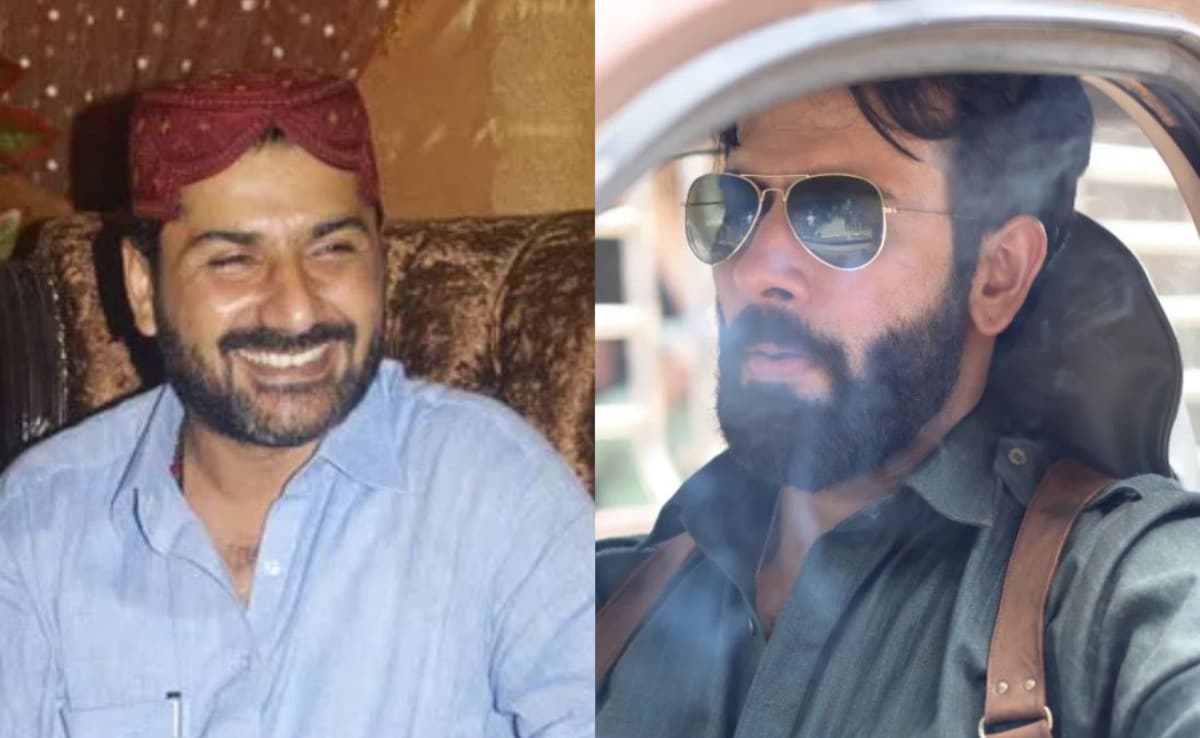
Dhurandhar: Real-Life Uzair Baloch Mutilated Gangster Arshad Pappu's Body Parts, Played Football With His Severed Head
📰 RSS Feed Image
📖 Table of Contents
🎬 Latest Development: Dhurandhar Explores Horrific Realities: The Chilling Saga of Uzair Baloch, Who Mutilated Arshad Pappu and Built a Drug Empire
Uzair Baloch: Dhurandhar's Brutal Muse
📋 What You Need to Know
The silver screen often draws its most compelling narratives from the darkest corners of reality. 'Dhurandhar', a film that promises to delve into gritty underworld dynamics, reportedly takes inspiration from the chilling life of Uzair Baloch, a name synonymous with ruthless power and unimaginable violence in Pakistan's notorious Lyari district. Baloch's reign of terror was characterized not just by extortion and drug operations that funded a lavish lifestyle, but by acts of brutality so extreme they shock the conscience. His infamous dismemberment of rival gangster Arshad Pappu and the subsequent grotesque display of his severed head encapsulate a level of savagery that few cinematic portrayals dare to touch. This deep dive into the real-life figure behind the film offers a stark reminder of the harsh truths that often fuel the most gripping cinematic thrillers, blurring the lines between fiction and a horrifying reality.
🎭 Complete Story
Uzair Baloch's story is a harrowing chapter in the history of Karachi's Lyari gang war, a saga of territorial disputes, drug trafficking, and political manipulation. He rose to power as the head of the powerful People's Aman Committee (PAC) after his father, Faiz Muhammad, was killed by Arshad Pappu's gang. This act ignited a brutal vendetta that culminated in one of the most gruesome incidents in recent memory. In March 2013, Arshad Pappu, along with his brother and aide, were abducted, tortured, and brutally murdered. The details are stomach-churning: Pappu's body was dismembered, and his head was reportedly played with like a football before being paraded through Lyari, a chilling spectacle meant to send an unequivocal message of dominance and terror. This horrific event cemented Uzair Baloch’s reputation as a merciless enforcer, a man who would stop at nothing to assert his control. Beyond the violence, Baloch’s empire was sophisticated, funded by a vast network of extortion rackets, illegal land grabbing, and an expansive drug trade that stretched across borders. This illicit wealth allowed him to construct a four-storey mansion in Lyari, boasting a private swimming pool—a stark symbol of his unbridled power and brazen defiance of law and order, right in the heart of one of Pakistan's most volatile neighborhoods.
📊 Industry Analysis
The inclusion of characters inspired by figures like Uzair Baloch in films like 'Dhurandhar' reflects a growing trend in global cinema: the dramatization of real-life crime lords and their brutal legacies. This approach often serves multiple purposes. Firstly, it offers a compelling, ready-made narrative arc filled with inherent drama, conflict, and often, a cautionary tale. Secondly, it allows filmmakers to explore complex themes of power, corruption, social injustice, and the human capacity for extreme violence, often providing a mirror to societal ills. However, such portrayals also carry significant ethical considerations. Filmmakers walk a fine line between authentic depiction and glorification, between historical accuracy and sensationalism. The challenge lies in translating the raw brutality of figures like Baloch into a narrative that is both gripping and responsible, one that doesn't inadvertently romanticize their crimes but rather critiques the environments that produce them. The success of these films often hinges on their ability to contextualize the violence, understand its roots, and ultimately, condemn its impact, rather than simply exploiting its shock value for entertainment.
💬 Expert Commentary
"When filmmakers tackle real-life figures like Uzair Baloch, they tap into a primal human fascination with power and transgression," states Dr. Aisha Khan, a sociologist specializing in organized crime. "The details of Pappu's mutilation are not just gruesome; they are a calculated display of power and a psychological weapon. For 'Dhurandhar' to incorporate such elements, it suggests a commitment to portraying the unvarnished truth of gangland brutality, rather than a sanitized version. The risk, of course, is sensationalism. But if handled responsibly, these narratives can illuminate the socio-economic conditions that breed such figures and the devastating consequences of unchecked criminal enterprise. It forces audiences to confront the uncomfortable realities that exist just beneath the surface of everyday life."
🔗 Related Context
The cinematic exploration of notorious real-life criminals is a well-trodden path, with examples ranging from 'Scarface' (loosely inspired by Al Capone) and 'Goodfellas' (Henry Hill) to India's 'Company' (Dawood Ibrahim) and 'Black Friday' (the 1993 Mumbai blasts). Each of these films grappled with the challenge of depicting extreme violence and moral ambiguity while attempting to provide insight into the motivations and consequences of criminal life. The 'Narcos' series, for instance, meticulously detailed Pablo Escobar's rise and fall, including his brutal methods and the vast wealth he accumulated. The case of Uzair Baloch resonates with these narratives, highlighting the universal patterns of gangland power struggles, the use of terror to maintain control, and the corrupting influence of illicit fortunes. 'Dhurandhar' joins this lineage, promising to bring another chapter of real-world darkness to the cinematic forefront, albeit with the inherent responsibilities that accompany such a portrayal.
🔍 Explore More Bollywood Content
Stay connected with the latest happenings in Hindi cinema:
Exclusive stories about your favorite Bollywood stars
Inside stories and exclusive Bollywood entertainment news
Latest box office numbers and film business analysis
💡 Visit Hindi Cinema News for more.
🎯 Key Takeaways
The story of Uzair Baloch is a stark reminder of the extreme violence and complex socio-political dynamics that can exist within urban underworlds. 'Dhurandhar's' decision to draw from such a brutal real-life narrative underscores a cinematic ambition to explore uncomfortable truths, bringing the chilling reality of figures like Baloch to a wider audience. While the details of Arshad Pappu's mutilation and Baloch's opulent, crime-funded mansion are profoundly disturbing, they offer a window into the psychology of power and terror. The film, by engaging with such dark inspirations, has the potential to not only entertain but also provoke thought about the forces that shape such individuals and the communities they terrorize. It's a testament to cinema's power to confront, rather than merely reflect, the darker facets of human existence, urging viewers to grapple with realities often too disturbing for casual contemplation.
❓ Frequently Asked Questions
Q: When did this news break?
A: This story was reported today with comprehensive coverage as details emerge.
Q: What makes this significant?
A: This development represents an important moment in the Hindi film industry.
📢 Stay Updated
Don't miss breaking entertainment news! Follow us for real-time updates.
What's your take? Share your thoughts in the comments!
