
Mukesh Chhabra Slams Dhurandhar Negative Reviews
🚨 Breaking Bollywood News Alert! Get the complete inside story. Updated December 5, 2025.
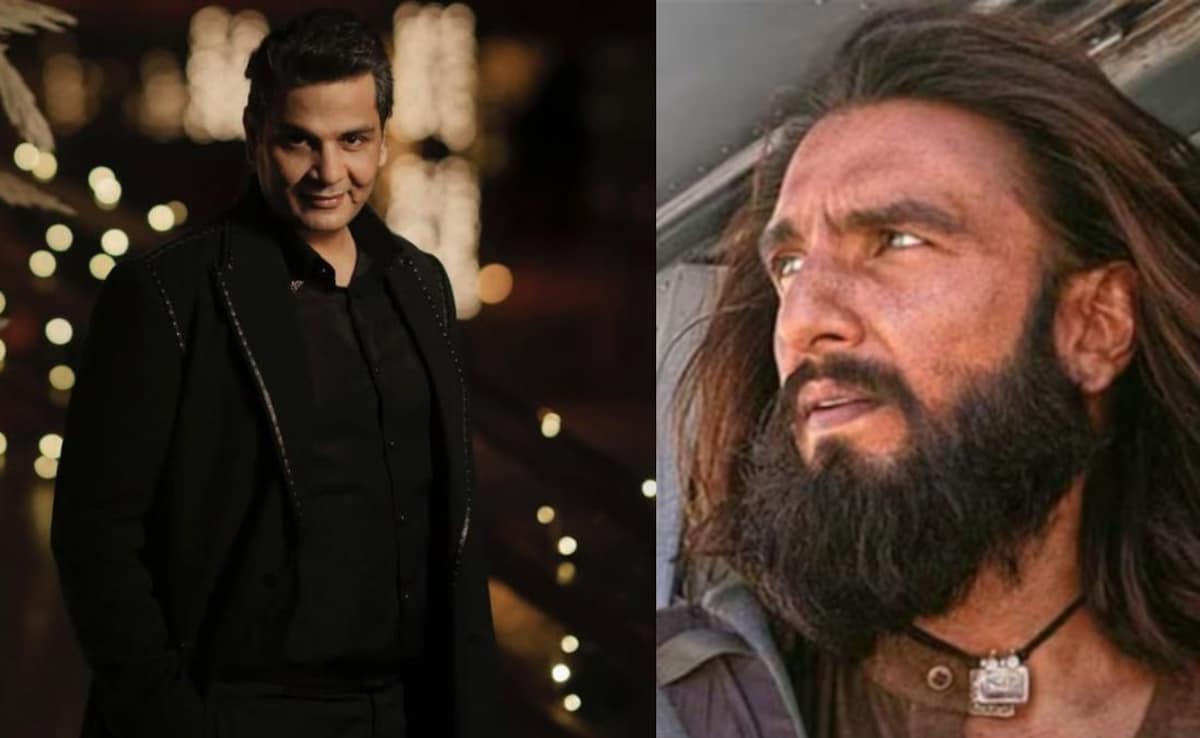
Mukesh Chhabra Slams Negative Reviews Of Ranveer Singh's Dhurandhar: "Kisi Ne Film Dekhi Bhi Nahi, Kya Log Hain"
📰 RSS Feed Image
📖 Table of Contents
🎬 Latest Development: "Kisi Ne Film Dekhi Bhi Nahi": Mukesh Chhabra Blasts Premature Dhurandhar Criticism Amidst Ranveer Singh Buzz
Dhurandhar faces early online backlash.
📋 What You Need to Know
In a sharp retort to the burgeoning online negativity surrounding Ranveer Singh's upcoming film, *Dhurandhar*, casting director Mukesh Chhabra has vociferously condemned critics for prematurely dismissing the movie. His impassioned statement, "Kisi ne film dekhi bhi nahi, kya log hain," directly addresses the growing trend of internet users forming opinions without having seen the actual product. The controversy escalated after the film's press screening was unexpectedly cancelled, leading to a vacuum filled by speculative and often negative comments. This incident highlights a significant challenge facing the film industry today: managing online narratives and combatting baseless criticism that can severely impact a film's initial reception and box office prospects, especially for high-profile releases like *Dhurandhar*.
🎭 Complete Story
The pre-release buzz for *Dhurandhar*, featuring the formidable Ranveer Singh, was initially strong, fueled by anticipation for his next big-screen venture. However, a sudden turn of events saw the cancellation of its scheduled press screening, a move that immediately ignited a flurry of speculation and, subsequently, a wave of negative online commentary. Internet users, some citing vague sources or simply engaging in herd mentality, began labeling the film as "just average" or even a potential disappointment, long before its official public release. This swift and largely unfounded criticism prompted Mukesh Chhabra, a respected figure in the industry known for his keen eye for talent, to speak out. His frustration was palpable, underscoring a deeper issue within the digital age of film consumption: the democratization of criticism often without the prerequisite of actual engagement. Chhabra's statement isn't just a defense of *Dhurandhar* but a broader critique of a culture where snap judgments, fueled by social media trends and unverified information, can unfairly prejudice a film's fate. The incident raises questions about the responsibility of online discourse and the impact of premature verdicts on the creative efforts of hundreds involved in filmmaking.
📊 Industry Analysis
The *Dhurandhar* controversy, while specific to this film, is emblematic of a larger, systemic challenge confronting the contemporary film industry. In an era dominated by social media and instant information dissemination, the traditional pathways of film promotion and critical reception are being rapidly reshaped. The cancellation of a press screening, once a minor logistical hiccup, now risks creating a void that online speculation and negativity can quickly fill. This incident underscores the precarious balance between generating anticipation and guarding against premature, often baseless, criticism. Filmmakers and studios are increasingly grappling with how to manage these pre-release narratives, which can significantly influence audience perception and opening weekend collections. The power of internet users to collectively form and disseminate opinions, irrespective of factual basis, presents a double-edged sword: it can build immense hype, but also dismantle it with alarming speed. This necessitates a more robust and proactive approach to public relations and audience engagement, focusing on transparent communication and perhaps even new strategies to counter misinformation before it takes root.
💬 Expert Commentary
"What we're witnessing with *Dhurandhar* is a classic example of how the digital ecosystem can prematurely impact a film's narrative," comments Dr. Ananya Sharma, a media studies expert. "The absence of an official press screening creates an information vacuum. In this void, speculation thrives, and without expert critical voices to guide the discourse, the loudest, often most negative, voices on social media can dominate. Chhabra's reaction is understandable; it's a cry against the erosion of informed criticism. The challenge for studios is to navigate this environment, perhaps by diversifying their pre-release engagement strategies. Instead of solely relying on traditional press screenings, they might consider controlled fan previews or direct-to-audience content to shape the narrative proactively. This isn't about stifling criticism, but ensuring it's informed and constructive, not based on hearsay or digital noise."
🔗 Related Context
The phenomenon of films facing early online backlash or premature judgment is not new, but its intensity has certainly amplified. High-profile examples include major blockbusters that have suffered from leaked plot details or early social media reviews from test screenings, significantly impacting their initial reception. This also brings to mind the ongoing debate about review bombing, where organized groups target a film with negative ratings for reasons often unrelated to its cinematic quality. The *Dhurandhar* incident, while distinct from review bombing, shares the underlying vulnerability of films to an unchecked online environment. It highlights the evolving role of critics, influencers, and the general public in shaping public opinion, placing immense pressure on filmmakers to not only create compelling content but also meticulously manage its perception from conception to release.
🔍 Explore More Bollywood Content
Stay connected with the latest happenings in Hindi cinema:
Expert reviews and ratings of the latest Hindi films
Exclusive stories about your favorite Bollywood stars
Comprehensive coverage of the Indian film industry
💡 Visit Hindi Cinema News for more.
🎯 Key Takeaways
Mukesh Chhabra's strong words against the premature negative reviews of *Dhurandhar* serve as a crucial reminder of the challenges facing the film industry in the digital age. The cancellation of a press screening inadvertently opened the floodgates for speculative and often unfounded criticism, demonstrating how quickly online narratives can be shaped, even without actual engagement with the film. This incident underscores the urgent need for a more responsible approach to online discourse, where opinions are formed on informed viewing rather than hearsay. As *Dhurandhar* prepares for its official release, its journey through this pre-release controversy will be closely watched, potentially setting a precedent for how the industry navigates and counters the pervasive influence of social media in shaping a film's destiny. Ultimately, the film's true merit will only be revealed upon its viewing by the wider audience, hopefully unaffected by the early digital noise.
❓ Frequently Asked Questions
Q: When did this news break?
A: This story was reported today with comprehensive coverage as details emerge.
Q: What makes this significant?
A: This development represents an important moment in the Hindi film industry.
📢 Stay Updated
Don't miss breaking entertainment news! Follow us for real-time updates.
What's your take? Share your thoughts in the comments!
