
OTT Sequel Fatigue: The Family Man 3 & Delhi Crime 3
🚨 Breaking Bollywood News Alert! Get the complete inside story. Updated December 7, 2025.
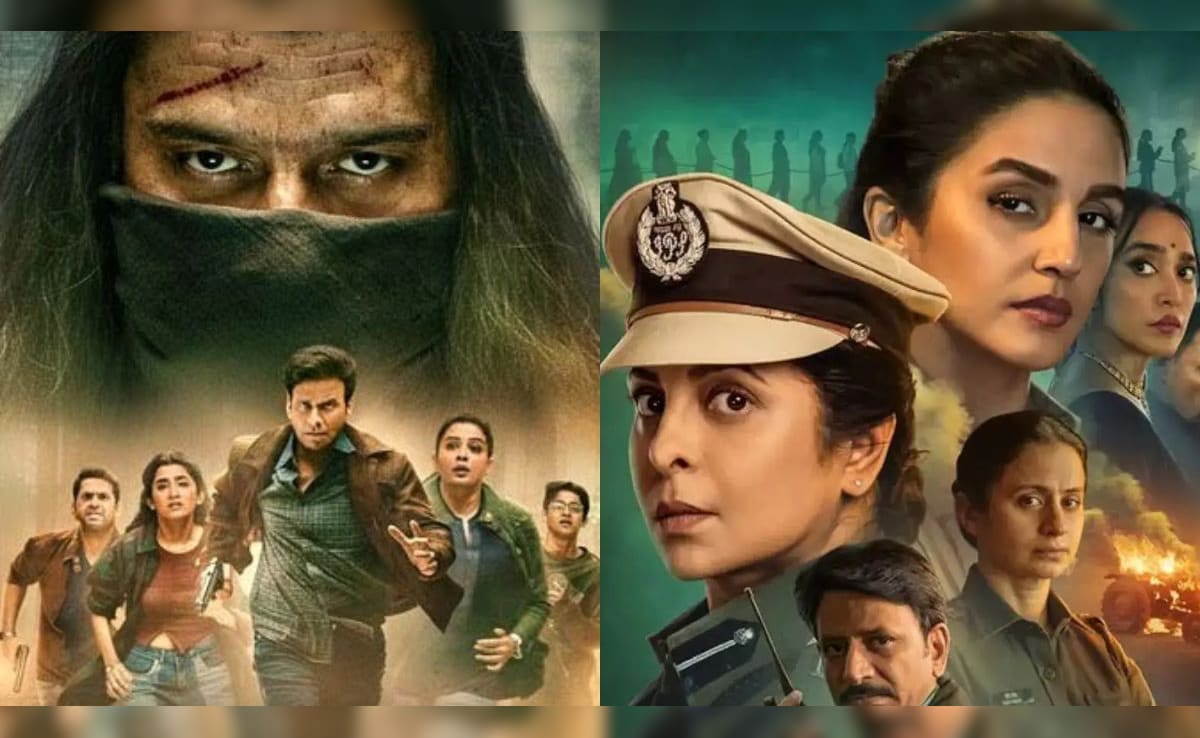
Family Man 3 To Delhi Crime 3: How Sequel Fatigue Took Over OTT Releases In 2025
📰 RSS Feed Image
📖 Table of Contents
🎬 Latest Development: Is India's OTT Scene Drowning in a Wave of Repetitive Sequels?
Sequels Dominate, Viewers Grow Weary
📋 What You Need to Know
The Indian Over-The-Top (OTT) streaming landscape, once a vibrant hub of fresh narratives and groundbreaking content, appears to be grappling with a new challenge: sequel fatigue. What began as a promising avenue for diverse storytelling is increasingly leaning on established franchises, leading to a saturation of follow-up seasons. This year, massive titles such as The Family Man 3, Delhi Crime 3, Panchayat 4, Maharani 4, and Paatal Lok 2 have dominated release schedules, prompting a critical look at whether this reliance on proven successes is hindering innovation and ultimately tiring out the audience. While sequels offer a comfortable familiarity, the sheer volume raises questions about the long-term health and creative vitality of the Indian OTT ecosystem.
🎭 Complete Story
The proliferation of sequels on Indian OTT platforms has reached an undeniable peak in 2025. What started with the occasional highly anticipated follow-up has now become a dominant programming strategy, with virtually every major platform banking on its successful franchises. Titles like *The Family Man 3* continued the high-stakes espionage drama, *Delhi Crime 3* delved into another intricate case, *Panchayat 4* returned to the beloved rural setting, *Maharani 4* further explored political machinations, and *Paatal Lok 2* revisited its gritty underworld. The rationale behind this trend is straightforward: sequels come with a built-in audience, reducing marketing costs and guaranteeing viewership. They represent a safer bet in a competitive market, leveraging established characters and storylines that have already resonated with millions. However, this safety-first approach risks creative stagnation. While some sequels successfully evolve their narratives, others struggle to maintain the freshness and originality of their predecessors, often falling into predictable patterns or stretching plots beyond their natural conclusion. This over-reliance on familiar territory, while profitable in the short term, inevitably leads to a sense of déjà vu among discerning viewers who crave novelty and diverse storytelling.
📊 Industry Analysis
From an industry perspective, the surge in sequels is a double-edged sword. On one hand, it's a testament to the initial success and strong fan base these shows cultivated. Platforms are driven by metrics like subscriber retention and engagement, and established franchises are proven performers in these areas. Renewing a popular series is often less risky and more cost-effective than developing an entirely new concept from scratch, especially in a market where content investment is substantial. However, this strategy can lead to a creative bottleneck. Resources, talent, and promotional efforts become disproportionately focused on existing IPs, potentially sidelining new, original ideas that could otherwise push boundaries and attract fresh demographics. The long-term impact could be a loss of subscriber interest if the content slate becomes too homogenous. Global streaming giants have also faced similar 'franchise fatigue' in Hollywood, learning that even the most beloved series can overstay their welcome. Indian OTT platforms must carefully balance leveraging their successful brands with nurturing a pipeline of innovative, diverse content to ensure sustained growth and creative dynamism.
💬 Expert Commentary
"The current landscape of Indian OTT is at a critical juncture," observes Mr. Rohan Mehta, a veteran content strategist and former showrunner. "While the business case for sequels is undeniable – proven audience, lower marketing hurdles – the creative cost can be significant. We're seeing a saturation point where audiences, who initially embraced these shows, are now expressing a desire for more originality. The challenge for platforms isn't just to produce more content, but to produce *meaningful* content. A sequel should expand the universe or offer a fresh perspective, not merely rehash old plotlines. The danger of sequel fatigue is not just that viewers get bored, but that truly innovative concepts struggle to find funding and visibility, leading to a less diverse and ultimately less vibrant ecosystem. Platforms need to invest more in new creators and daring scripts to avoid becoming predictable."
🔗 Related Context
The lifecycle of a web series is a complex interplay of creative vision, audience reception, and commercial viability. While a compelling first season often leaves viewers clamoring for more, the magic often diminishes with successive installments. The art lies in knowing when to conclude a story or when to evolve it meaningfully. Shows like *Sacred Games* set a high bar, but even its later seasons faced mixed reviews, illustrating the difficulty of maintaining quality. In contrast, new, original content, though riskier, often garners critical acclaim and passionate fan bases precisely because of its fresh perspective. The current sequel wave also highlights a potential opportunity cost: countless untold stories and unexplored genres might be getting overlooked in favor of safe bets. To maintain its dynamism, the Indian OTT space needs to rediscover its appetite for bold, unproven narratives that captivated audiences in its nascent years.
🔍 Explore More Bollywood Content
Stay connected with the latest happenings in Hindi cinema:
Get the latest breaking news and updates from Hindi cinema
Breaking news from the world of Hindi cinema
First look at movies coming soon to theaters
💡 Visit Hindi Cinema News for more.
🎯 Key Takeaways
The prevalence of sequels like *The Family Man 3* and *Delhi Crime 3* in the 2025 OTT landscape reflects a strategic, yet potentially creatively limiting, approach. While the comfort of familiarity offers immediate viewership, the looming shadow of 'sequel fatigue' threatens to dull the edge of what was once a revolutionary content space. To sustain its initial promise of diverse and groundbreaking narratives, the Indian OTT industry must introspect. The challenge lies in striking a delicate balance: honoring beloved franchises while simultaneously nurturing new, original voices and ideas. Only by actively fostering innovation alongside continuity can platforms ensure a vibrant, engaging, and truly compelling future for their audiences, preventing the current wave of familiarity from turning into an ocean of monotonous repetition.
❓ Frequently Asked Questions
Q: When did this news break?
A: This story was reported today with comprehensive coverage as details emerge.
Q: What makes this significant?
A: This development represents an important moment in the Hindi film industry.
📢 Stay Updated
Don't miss breaking entertainment news! Follow us for real-time updates.
What's your take? Share your thoughts in the comments!
