
Anoushka Shankar Clarifies Ravi Shankar's 'Last Disciple'
🚨 Breaking Bollywood News Alert! Get the complete inside story. Updated February 13, 2026.
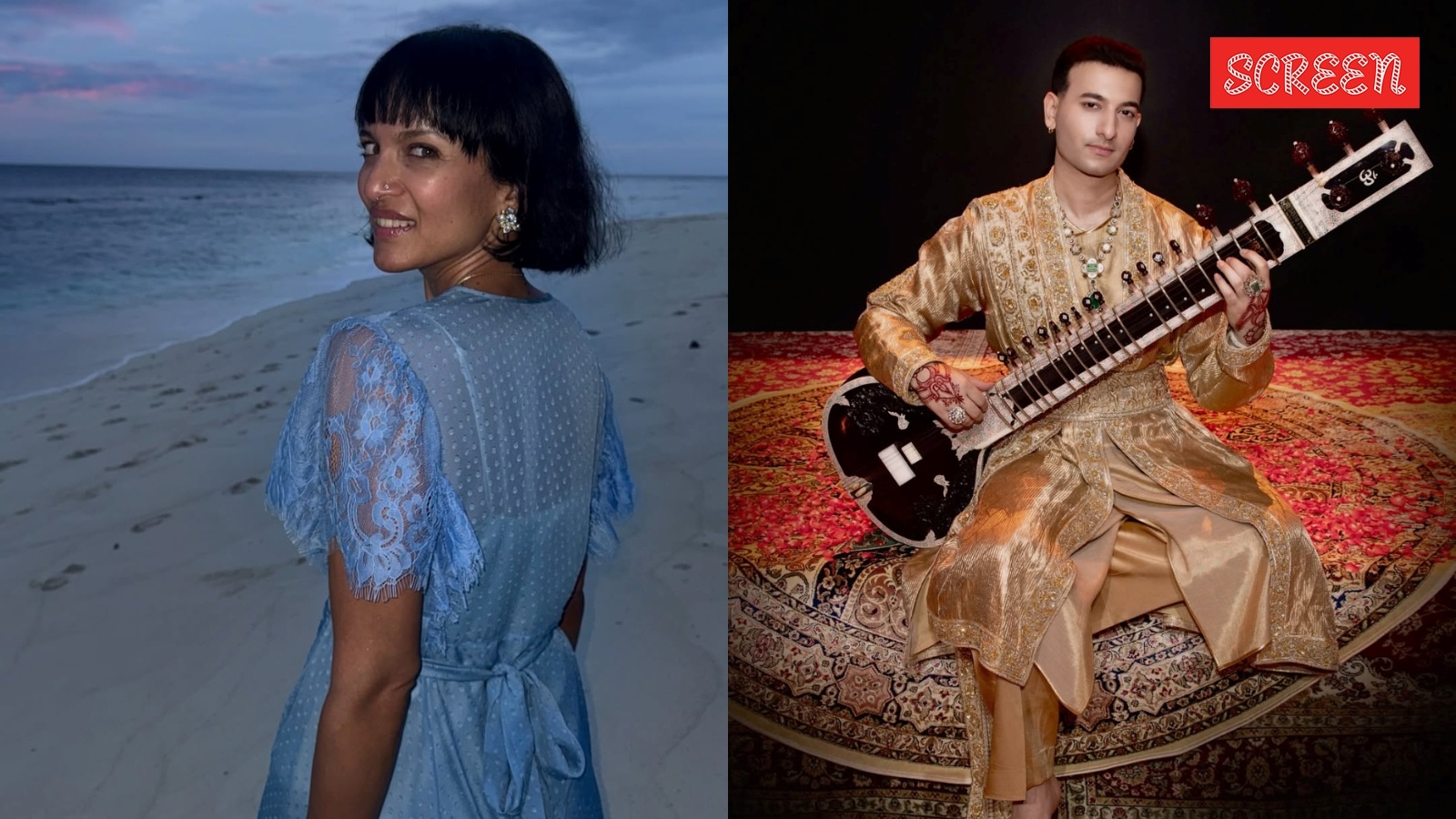
Anoushka Shankar on Rishabh Rikhiram being called Ravi Shankar’s ‘last disciple’: ‘My father was never his guru’
📰 RSS Feed Image
📖 Table of Contents
🎬 Latest Development: Anoushka Shankar Denies Rishabh Rikhiram as Ravi Shankar's 'Last Disciple': "My Father Was Never His Guru"
Ravi Shankar's guru legacy
📋 What You Need to Know
In the realm of classical music, the concept of 'guru-shishya parampara' – the sacred tradition of master-disciple lineage – holds profound significance. The legacy of a maestro is often measured by the disciples they nurture and the tradition they pass on. Recently, comments from sitarist Anoushka Shankar have stirred discussions within the classical music community, as she addressed claims regarding Rishabh Rikhiram being hailed as her father, the legendary Pandit Ravi Shankar's 'last disciple'. Anoushka, a virtuoso herself and a direct inheritor of her father's musical genius, unequivocally stated that her father was never Rishabh Rikhiram's guru. This clarification holds considerable weight, impacting the perceived lineage and authenticity within the highly respected and often fiercely guarded world of Indian classical music.
🎭 Complete Story
Anoushka Shankar’s recent statement directly challenges a narrative that has been circulating in certain circles, positioning Rishabh Rikhiram as the final inheritor of Pandit Ravi Shankar’s musical wisdom. In her candid remarks, Anoushka made it clear that while many admired and were inspired by her father, the formal and sacred relationship of a 'guru' (teacher) and 'shishya' (disciple) did not exist between Pandit Ravi Shankar and Rishabh Rikhiram. She emphasized that being a 'disciple' in the traditional Indian classical music sense implies a deep, formal, and prolonged tutelage, where the guru imparts not just technical skills but also the philosophy, nuances, and spiritual essence of the art form. This goes beyond mere admiration or occasional guidance. Anoushka’s clarification is crucial because the 'guru-shishya parampara' is the cornerstone of Indian classical music, defining its authenticity and continuity. Misrepresenting this lineage can lead to confusion about who truly carries forward a particular gharana (musical school or style) or a maestro's specific teachings. Her statement aims to preserve the integrity of her father's legacy and the sanctity of the guru-disciple tradition that he himself deeply revered and embodied throughout his life.
📊 Industry Analysis
The discourse surrounding Anoushka Shankar's clarification highlights a critical aspect of Indian classical music: the authenticity of lineage and the importance of the guru-shishya parampara. In an age where information, and often misinformation, spreads rapidly, safeguarding the integrity of a musical tradition becomes paramount. The term 'disciple' in Indian classical music carries immense weight, denoting a deep, lifelong commitment to learning from a specific guru, often involving living with the teacher and absorbing their entire artistic and personal philosophy. This is distinct from being a student, an admirer, or even someone who took a few lessons. The propagation of false or unclear lineages can dilute the purity of a gharana and mislead audiences about the true inheritors of a master's style. For a legendary figure like Pandit Ravi Shankar, whose influence spanned continents and generations, the accurate documentation of his students and disciples is vital for future generations of musicians and enthusiasts to understand the evolution and continuity of his unique musical contribution.
💬 Expert Commentary
"Anoushka Shankar's statement is not just about a specific individual; it's about upholding the very sanctity of the guru-shishya tradition," explains Dr. Meena Devi, a renowned musicologist. "The 'parampara' is a sacred trust, and a guru's legacy is meticulously passed down. To claim discipleship without formal training or acknowledgement from the guru or their direct lineage can be seen as an affront to the tradition itself. It's crucial for the integrity of classical music that these lines are clearly drawn." Sitar maestro, Ustad Imtiaz Khan, adds, "Pandit Ravi Shankar was a global icon, and many sought his blessings or occasional guidance. But being a formal shishya involves decades of rigorous dedication, a deep spiritual bond, and explicit acceptance from the guru. Anoushka, as his daughter and a direct torchbearer, has every right and responsibility to clarify such matters to protect her father's true legacy and the integrity of our art form."
🔗 Related Context
The issue of disputed or unclear musical lineages is not new in the history of Indian classical music. There have been instances where individuals have claimed affiliations with legendary maestros that were later contested by the guru's family or established disciples. Such disputes often arise from a desire to gain credibility or association with a revered name. The challenge lies in distinguishing between genuine formal discipleship and informal admiration or brief periods of learning. Maestros like Ustad Ali Akbar Khan, Pandit Shivkumar Sharma, and others have had extensive lists of recognized disciples, and their families often play a crucial role in maintaining and validating these records to ensure the authentic transmission of their artistic heritage.
🔍 Explore More Bollywood Content
Stay connected with the latest happenings in Hindi cinema:
Breaking news from the world of Hindi cinema
Exclusive stories about your favorite Bollywood stars
Inside stories and exclusive Bollywood entertainment news
💡 Visit Hindi Cinema News for more.
🎯 Key Takeaways
Anoushka Shankar's recent clarification regarding Rishabh Rikhiram and her father, Pandit Ravi Shankar, underscores the profound importance of authentic lineage in Indian classical music. It is a reminder that the 'guru-shishya parampara' is not merely a label but a deep, revered bond of knowledge transmission, demanding formal acceptance and lifelong dedication. By speaking out, Anoushka not only protects the integrity of her father's unparalleled legacy but also reinforces the fundamental principles that govern the purity and continuity of this ancient art form. Her stance ensures that the true narrative of Pandit Ravi Shankar's direct disciples and their contributions to the world of music remains untainted, allowing future generations to correctly understand and appreciate the illustrious lineage of one of the greatest musical minds the world has ever known.
❓ Frequently Asked Questions
Q: When did this news break?
A: This story was reported today with comprehensive coverage as details emerge.
Q: What makes this significant?
A: This development represents an important moment in the Hindi film industry.
📢 Stay Updated
Don't miss breaking entertainment news! Follow us for real-time updates.
What's your take? Share your thoughts in the comments!
