
Avoid Toxic Tropes: Bollywood's Problematic Romance
🚨 Breaking Bollywood News Alert! Get the complete inside story. Updated February 13, 2026.
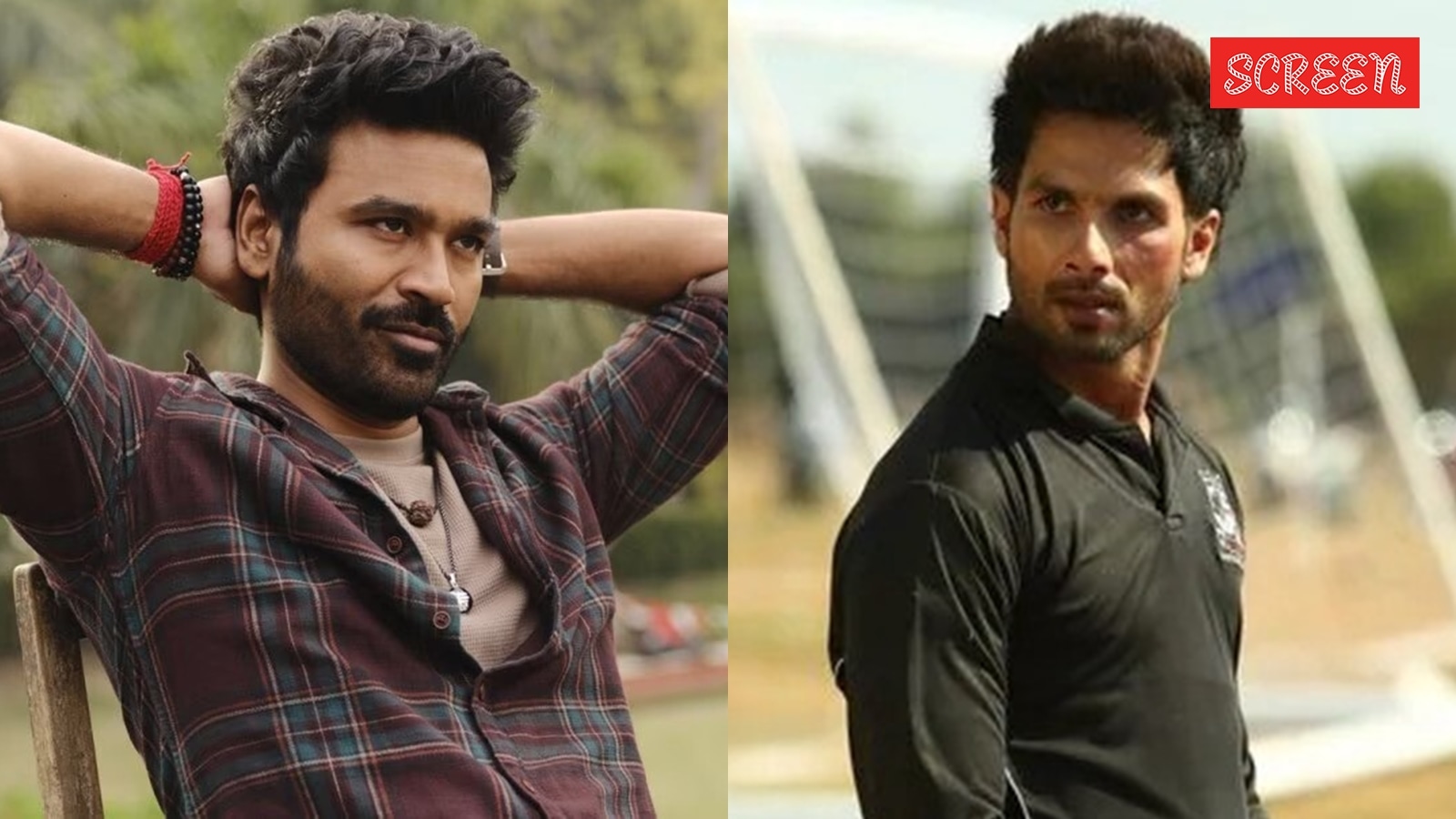
‘From Kabir Singh’s obsession to Shankar’s petrol bombs’: 5 Bollywood-inspired ‘Toxic Tropes’ to avoid this Valentine’s Day
📰 RSS Feed Image
📖 Table of Contents
🎬 Latest Development: Beyond 'Kabir Singh' and 'Shankar': 5 Bollywood Toxic Tropes to Shun This Valentine’s Day
Ditch Problematic Romance This Valentine's
📋 What You Need to Know
Valentine's Day, a celebration of love, often sees a surge in romantic narratives, many of which are heavily influenced by Bollywood's portrayal of relationships. However, not all on-screen romance is healthy or aspirational. This year, as hearts flutter and gifts are exchanged, it’s crucial to critically examine some of Bollywood’s most problematic "toxic tropes" – from the obsessive lover in "Kabir Singh" to the dangerous aggression depicted in films like "Shankar." These cinematic clichés, while entertaining, can inadvertently normalize unhealthy relationship dynamics. It’s time to recognize and consciously avoid replicating these five Bollywood-inspired toxic tropes, fostering a Valentine's Day built on genuine respect, consent, and healthy affection, rather than cinematic fantasy that often verges on the problematic.
🎭 Complete Story
Bollywood, often hailed as the dream factory, has a long history of shaping romantic ideals in India. However, a closer look reveals a pervasive presence of "toxic tropes" that, particularly around celebratory occasions like Valentine's Day, warrant critical examination. One of the most glaring examples is the glorification of obsessive and aggressive love, famously epitomized by Shahid Kapoor's character in "Kabir Singh." This trope romanticizes controlling behavior, stalking, and even violence as expressions of deep passion, completely disregarding the principles of consent and respect. The film's commercial success sparked widespread debate, highlighting how such portrayals can dangerously blur the lines between intense love and outright abuse, sending harmful messages to impressionable audiences about what constitutes 'true' affection.
📊 Industry Analysis
The pervasive nature of toxic tropes in Bollywood reflects a broader societal challenge regarding gender roles and relationship dynamics. For decades, Indian cinema has been a powerful mirror and, at times, a shaper of cultural norms. The romanticization of stalking, possessiveness, and aggressive masculinity, as seen in numerous films, inadvertently validates problematic behaviors in real-life relationships. This raises critical questions about the social responsibility of filmmakers and the impact of their narratives on audience perceptions, especially among younger generations. As global conversations around consent, gender equality, and mental health gain traction, Bollywood faces increasing pressure to evolve its storytelling to reflect more progressive and healthier relationship models.
💬 Expert Commentary
"Bollywood's romantic tropes, while often entertaining, have a significant societal impact," explains Dr. Anjali Mehta, a sociologist specializing in media and gender studies. "When films repeatedly show a man's aggressive pursuit eventually winning a woman's heart, or portray possessiveness as a sign of deep love, it subtly normalizes these behaviors. Young viewers, in particular, might internalize these as acceptable or even desirable relationship patterns. This Valentine's Day, it's crucial for individuals to consciously deconstruct these cinematic fantasies and understand that healthy love is built on consent, respect, and equality, not on coercion or control."
🔗 Related Context
The critical discourse around Bollywood's toxic tropes extends beyond "Kabir Singh" and "Shankar" to a multitude of films across different eras. From the persistent stalking in "Darr" (though the antagonist was clearly negative, the portrayal of obsession was intense) to the subtle undermining of female ambition in many classical romances, these themes have been deeply embedded in Indian cinematic storytelling. This issue is not unique to Bollywood; Hollywood too has grappled with its own problematic romantic clichés, such as the "nice guy finishes last" trope or the "love interest as a prize." However, in a culturally influential industry like Bollywood, where films often dictate societal trends, the impact is particularly pronounced. The rise of OTT platforms and independent cinema has provided a refreshing counter-narrative, with more nuanced and realistic portrayals of relationships, offering a hopeful glimpse into a future where healthy love stories can take center stage without resorting to harmful stereotypes.
🔍 Explore More Bollywood Content
Stay connected with the latest happenings in Hindi cinema:
Inside stories and exclusive Bollywood entertainment news
Breaking news from the world of Hindi cinema
Latest box office numbers and film business analysis
💡 Visit Hindi Cinema News for more.
🎯 Key Takeaways
As Valentine's Day approaches, it's an opportune moment to reflect on the nature of love as portrayed in Bollywood and to consciously steer clear of its problematic "toxic tropes." From the glorification of obsessive pursuit à la "Kabir Singh" to the dangerous aggression seen in "Shankar," these cinematic clichés, while entertaining, can inadvertently normalize unhealthy relationship dynamics. True love, in contrast, thrives on mutual respect, clear communication, consent, and the freedom for both individuals to grow. By actively recognizing and rejecting these five problematic Bollywood-inspired notions, we can foster a Valentine's Day, and indeed, all relationships, that are genuinely healthy, equitable, and fulfilling, moving beyond problematic fantasies towards authentic and respectful connections.
❓ Frequently Asked Questions
Q: When did this news break?
A: This story was reported today with comprehensive coverage as details emerge.
Q: What makes this significant?
A: This development represents an important moment in the Hindi film industry.
📢 Stay Updated
Don't miss breaking entertainment news! Follow us for real-time updates.
What's your take? Share your thoughts in the comments!
