
BAFTA 2026 Host Apologizes After John Davidson's Speech
🚨 Breaking Bollywood News Alert! Get the complete inside story. Updated February 22, 2026.
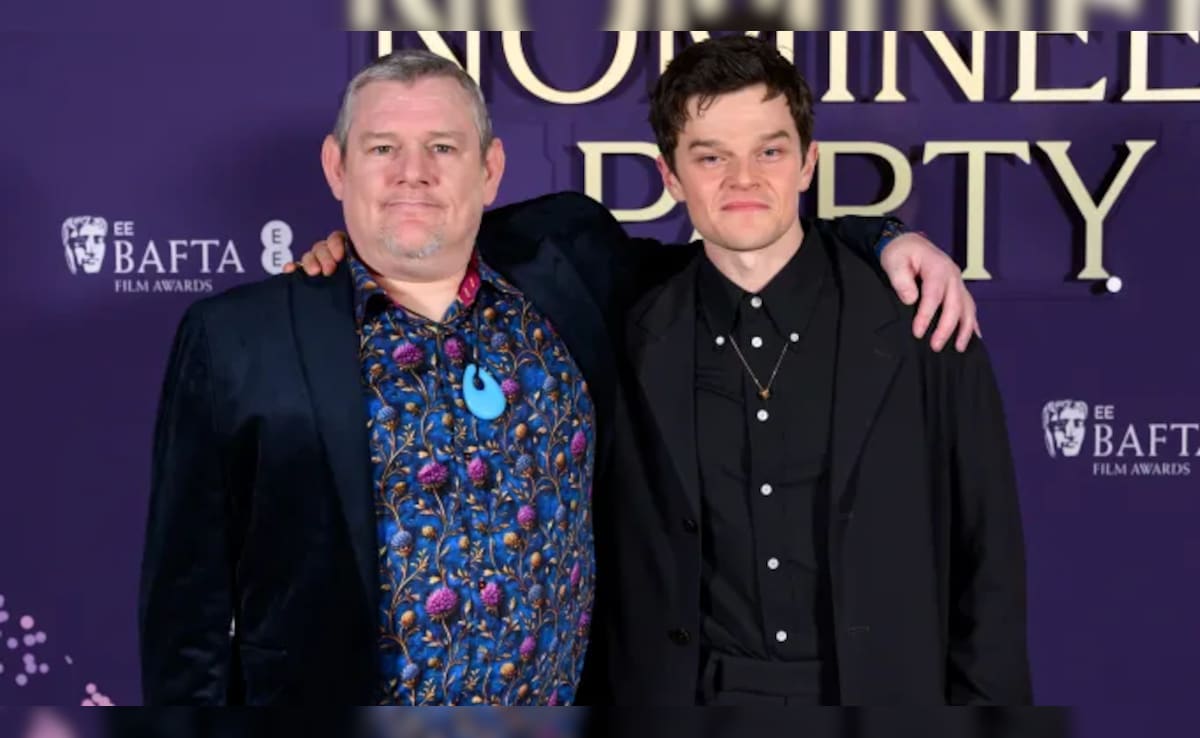
BAFTA 2026: Host Apologises After Tourette's Syndrome Campaigner John Davidson Said 'F*** Off' And Other 'Strong' Words
📰 RSS Feed Image
📖 Table of Contents
🎬 Latest Development: BAFTA 2026 Host Apologises After Tourette's Syndrome Campaigner John Davidson's Unfiltered 'F*** Off' Speech Stuns Audience
Unforgettable Moment at BAFTA Ceremony
📋 What You Need to Know
The BAFTA 2026 Awards ceremony, usually a bastion of polished acceptance speeches and carefully curated moments, was dramatically interrupted by an unforgettable and deeply moving address from Tourette's Syndrome campaigner John Davidson. While accepting an honorary award for his advocacy and the film depicting his life, 'I Swear', Davidson's speech included several "strong" words, including a prominent "F*** Off," which prompted the host to issue an immediate apology. However, far from being a mere gaffe, Davidson's unfiltered remarks became a powerful, raw testament to the realities of living with Tourette's Syndrome, sparking widespread conversation about authenticity, disability representation, and the uncomfortable truths often sanitized in public forums.
🎭 Complete Story
The atmosphere at the Royal Festival Hall was one of anticipation as John Davidson, the subject of the critically acclaimed film 'I Swear' – where he is compellingly portrayed by Robert Aramayo – walked onto the stage to receive a special recognition award. The film, lauded for its unflinching depiction of Tourette's Syndrome and Davidson's tireless campaigning, had already made a significant impact. As Davidson began his acceptance speech, initially articulate and heartfelt, his tics, a characteristic symptom of Tourette's, became more pronounced. Amidst profound expressions of gratitude and calls for greater understanding of neurodiversity, Davidson's vocal tics led to the unexpected utterance of expletives, most notably a resounding "F*** Off." The live audience, initially taken aback, quickly understood the context, but the moment sent ripples through the televised broadcast. The host, a well-known comedian, swiftly stepped back onto the stage after Davidson concluded, delivering a polite but firm apology to viewers for the "strong language" used during the broadcast. This apology, while perhaps standard protocol, inadvertently highlighted the societal discomfort with unfiltered expressions of disability. However, online, the reaction was swift and largely supportive of Davidson. Social media platforms buzzed with praise for his courage and authenticity. Many argued that the very nature of his speech, raw and unvarnished, perfectly encapsulated the message of 'I Swear' and his campaign: that living with Tourette's is not always polite or convenient, and that true acceptance means embracing all aspects of the condition, including the involuntary vocalizations. The incident, therefore, transcended a mere awards show controversy, evolving into a poignant commentary on public perception, media responsibility, and the ongoing fight for genuine inclusion. Robert Aramayo, who played Davidson in the film, later expressed his immense respect for Davidson's bravery, stating that the speech was "the most honest moment of the entire night."
📊 Industry Analysis
John Davidson's speech at BAFTA 2026, and the subsequent host apology, offers a critical lens through which to examine several aspects of the entertainment industry and disability representation. Firstly, it underscores the persistent societal discomfort with visible or audibly expressed disabilities, particularly when they deviate from perceived norms of public decorum. While intentions might be good, the impulse to apologize for involuntary tics reveals a lack of deeper understanding and acceptance. Secondly, the incident highlights the ongoing tension between authenticity and censorship in live broadcasts. While networks have a responsibility to adhere to broadcast standards, such moments challenge the industry to find more inclusive ways to handle spontaneous expressions of disability, perhaps through pre-emptive disclaimers rather than reactive apologies. Thirdly, it amplifies the impact of films like 'I Swear' which aim to destigmatize conditions like Tourette's Syndrome. Davidson's real-life embodiment of the film's message served as an incredibly powerful, albeit unplanned, promotional tool for disability awareness. This incident could catalyze a broader industry discussion about how awards ceremonies and media platforms can better accommodate and celebrate neurodivergent individuals without inadvertently marginalizing them through reactive measures. The overwhelming positive response from the public also suggests a growing audience desire for raw honesty and a rejection of overly sanitized portrayals of life.
💬 Expert Commentary
"What happened at BAFTA 2026 was a profoundly important, albeit uncomfortable, moment for disability advocacy," asserts Dr. Eleanor Vance, a leading expert on media and disability studies. "Davidson's speech, in its raw authenticity, inadvertently became the most powerful statement of the night. The host's apology, while perhaps standard procedure, unfortunately highlighted the very issue Davidson campaigns against: the societal discomfort with Tourette's. True inclusion means accepting and understanding involuntary tics, not apologizing for them. This incident provides a crucial teaching moment for the entertainment industry to re-evaluate how it handles disability on live television. It challenges us to move beyond superficial representation to genuine acceptance." Disability rights advocate, Mark Jenkins, adds, "John Davidson showed immense courage and integrity. His speech wasn't a mistake; it was a powerful, living demonstration of his condition and his advocacy. The film 'I Swear' aims to educate, and Davidson's presence on that stage, in all his unfiltered glory, was the most vivid education possible. This moment will be remembered not for the expletives, but for the profound truth it conveyed about living with Tourette's and the ongoing need for a more inclusive society that truly understands and respects neurodiversity without judgment or apology."
🔗 Related Context
The issue of strong language and unexpected moments at awards ceremonies is not new, but when linked to disability, it takes on a different dimension. Past incidents, such as moments involving celebrities with disabilities expressing themselves authentically, have often sparked similar debates about public perception and media handling. The film 'I Swear' starring Robert Aramayo is part of a growing wave of media productions that aim to authentically portray neurological conditions and mental health challenges, moving away from caricatures or sensationalism. This trend reflects a broader societal push for greater understanding and empathy towards neurodivergent individuals, driven by powerful advocacy and personal narratives. The increasing visibility of disability campaigners like John Davidson at major events underscores their rising influence in shaping public discourse and challenging long-held stigmas.
🔍 Explore More Bollywood Content
Stay connected with the latest happenings in Hindi cinema:
Get the latest breaking news and updates from Hindi cinema
Latest box office numbers and film business analysis
First look at movies coming soon to theaters
💡 Visit Hindi Cinema News for more.
🎯 Key Takeaways
John Davidson's candid and unfiltered speech at the BAFTA 2026 Awards, punctuated by involuntary expletives, transcended a simple awards show moment to become a poignant commentary on disability, authenticity, and societal acceptance. While the host's apology reflected conventional broadcast standards, the overwhelming public support for Davidson highlighted a growing demand for genuine representation and a rejection of sanitized realities. This incident, amplified by the powerful narrative of the film 'I Swear', serves as a crucial catalyst for further dialogue within the entertainment industry and society at large. It reminds us that true inclusion means embracing all facets of an individual, even those that may challenge our comfort zones, and that the most impactful messages often come from the most unexpected and authentic sources.
❓ Frequently Asked Questions
Q: When did this news break?
A: This story was reported today with comprehensive coverage as details emerge.
Q: What makes this significant?
A: This development represents an important moment in the Hindi film industry.
📢 Stay Updated
Don't miss breaking entertainment news! Follow us for real-time updates.
What's your take? Share your thoughts in the comments!
