
Delhi HC Petition Against Manoj Bajpayee's Ghooskhor Pandat
🚨 Breaking Bollywood News Alert! Get the complete inside story. Updated February 4, 2026.
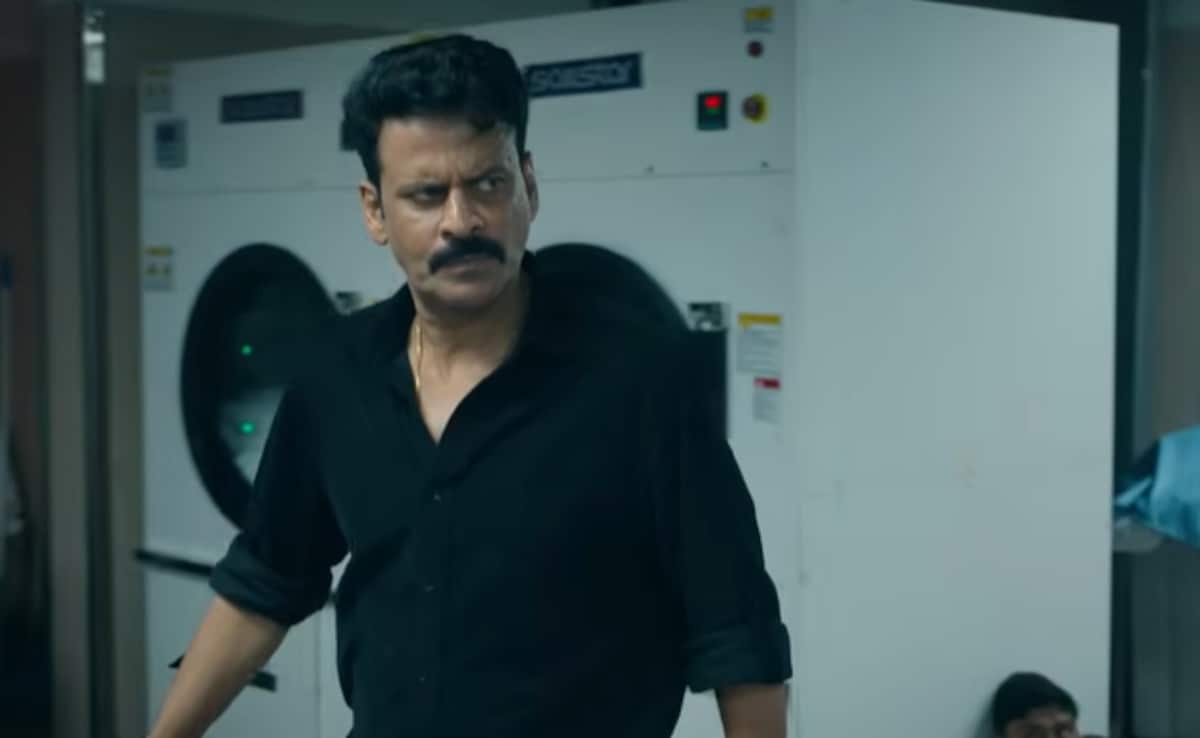
Petition Filed In Delhi High Court Seeking Stay On Manoj Bajpayee's Ghooskhor Pandat
📰 RSS Feed Image
📖 Table of Contents
🎬 Latest Development: Legal Storm Brews: Petition Filed in Delhi High Court Against Manoj Bajpayee's 'Ghooskhor Pandat' Over 'Defamatory' Title
Ghooskhor Pandat Faces Legal Challenge
📋 What You Need to Know
Manoj Bajpayee's upcoming project, *Ghooskhor Pandat*, finds itself embroiled in a legal controversy even before its release. A petition has been filed in the Delhi High Court seeking an immediate stay on the film, citing concerns over its potentially defamatory title. The plea argues that the use of the term "Pandat" (a colloquial variant of Pandit) in conjunction with "Ghooskhor" (bribe-taker) amounts to "collective defamation" of a specific community. This legal challenge underscores the increasing sensitivity surrounding film titles and content in India, where creative expression often collides with societal sentiments and community identity, leading to complex debates and judicial interventions.
🎭 Complete Story
The petition, brought before the Delhi High Court, specifically targets the film's title, *Ghooskhor Pandat*. The petitioners contend that the term "Pandat," commonly associated with the Brahmin community in India, when prefixed with "Ghooskhor," which translates to "bribe-taker" or "corrupt," creates a derogatory and defamatory portrayal of an entire community. They argue that such a title is not only offensive but also promotes negative stereotypes, potentially inciting prejudice and disrespect against individuals belonging to that specific community. The plea seeks a stay on the film's release, distribution, and promotion, emphasizing the need to protect communal harmony and prevent the propagation of defamatory content. Legal experts suggest that such petitions typically hinge on proving that the title or content directly targets and harms the reputation of an identifiable group, rather than just an individual. The court will now have to deliberate on the balance between artistic freedom, enshrined under Article 19(1)(a) of the Indian Constitution, and the right to reputation and protection against defamation, particularly when it pertains to collective identity. The outcome of this petition will set a significant precedent for future filmmaking and content creation, especially concerning titles that use community-specific terms.
📊 Industry Analysis
The legal challenge against *Ghooskhor Pandat* is indicative of a broader trend in the Indian entertainment industry, where films and web series increasingly face scrutiny and legal action over titles, themes, and portrayals. From historical epics facing protests over alleged misrepresentation to contemporary dramas being challenged for offensive language, the line between creative license and public sentiment has become increasingly blurred. This situation highlights the complex landscape filmmakers and streaming platforms must navigate in a diverse and often sensitive society like India. The involvement of the Delhi High Court elevates the matter, bringing it into the realm of judicial interpretation of freedom of speech versus community rights. Such cases often lead to delays, increased production costs, and sometimes, even title changes or content modifications, impacting the overall artistic vision and commercial viability of a project. It also forces content creators to engage more deeply with cultural nuances and potential public reactions, often leading to self-censorship or more cautious approaches to sensitive topics to avoid legal entanglements.
💬 Expert Commentary
"This petition highlights the delicate balance between freedom of expression and the potential for collective defamation," states Advocate Priya Singh, a media law specialist. "While filmmakers have the right to artistic freedom, it's not absolute and can be curtailed if it harms the reputation or incites hatred against a recognizable group. The challenge here will be to prove that 'Pandat' in this context specifically targets the entire Brahmin community and that the combination is indeed defamatory, rather than a fictional character's description." Film critic and cultural commentator, Dr. Sameer Khan, adds, "Filmmakers often push boundaries, but in India, certain terms and community references carry immense weight. This incident serves as a stark reminder that even seemingly innocuous titles can spark significant outrage and legal battles if perceived as disrespectful or stereotyping. It's a tightrope walk for content creators."
🔗 Related Context
Numerous Bollywood films have previously faced legal challenges or public backlash over their titles or content. *Padmaavat* (originally *Padmavati*) faced violent protests and legal battles over alleged historical inaccuracies, leading to a title change and significant delays. More recently, *OMG 2* encountered scrutiny from the Censor Board and public over its sensitive religious themes. The ongoing debate around creative freedom versus cultural sensitivity is not unique to India but is particularly pronounced given the country's diverse linguistic, religious, and caste landscape. Such legal interventions often force filmmakers to re-evaluate their approach to character naming, community representation, and thematic choices, leading to a cautious environment for storytelling that touches upon socio-cultural identifiers.
🔍 Explore More Bollywood Content
Stay connected with the latest happenings in Hindi cinema:
Exclusive stories about your favorite Bollywood stars
Expert reviews and ratings of the latest Hindi films
Comprehensive coverage of the Indian film industry
💡 Visit Hindi Cinema News for more.
🎯 Key Takeaways
The petition filed in the Delhi High Court against Manoj Bajpayee's *Ghooskhor Pandat* over its allegedly defamatory title marks a critical juncture for the film and the wider industry. This legal challenge underscores the growing public and judicial scrutiny of cinematic content, particularly when it intersects with community identity and perceived defamation. While the courts will ultimately weigh the arguments concerning artistic freedom against the right to reputation, the incident serves as a potent reminder of the complex socio-cultural landscape filmmakers must navigate in India. The outcome of this case will not only determine the fate of *Ghooskhor Pandat* but also potentially shape the future discourse on creative expression and community sensitivities in Indian cinema, pushing creators towards a more nuanced and responsible approach to storytelling.
❓ Frequently Asked Questions
Q: When did this news break?
A: This story was reported today with comprehensive coverage as details emerge.
Q: What makes this significant?
A: This development represents an important moment in the Hindi film industry.
📢 Stay Updated
Don't miss breaking entertainment news! Follow us for real-time updates.
What's your take? Share your thoughts in the comments!
