
Ranveer Singh in Karnataka High Court for Kantara FIR
🚨 Breaking Bollywood News Alert! Get the complete inside story. Updated February 23, 2026.
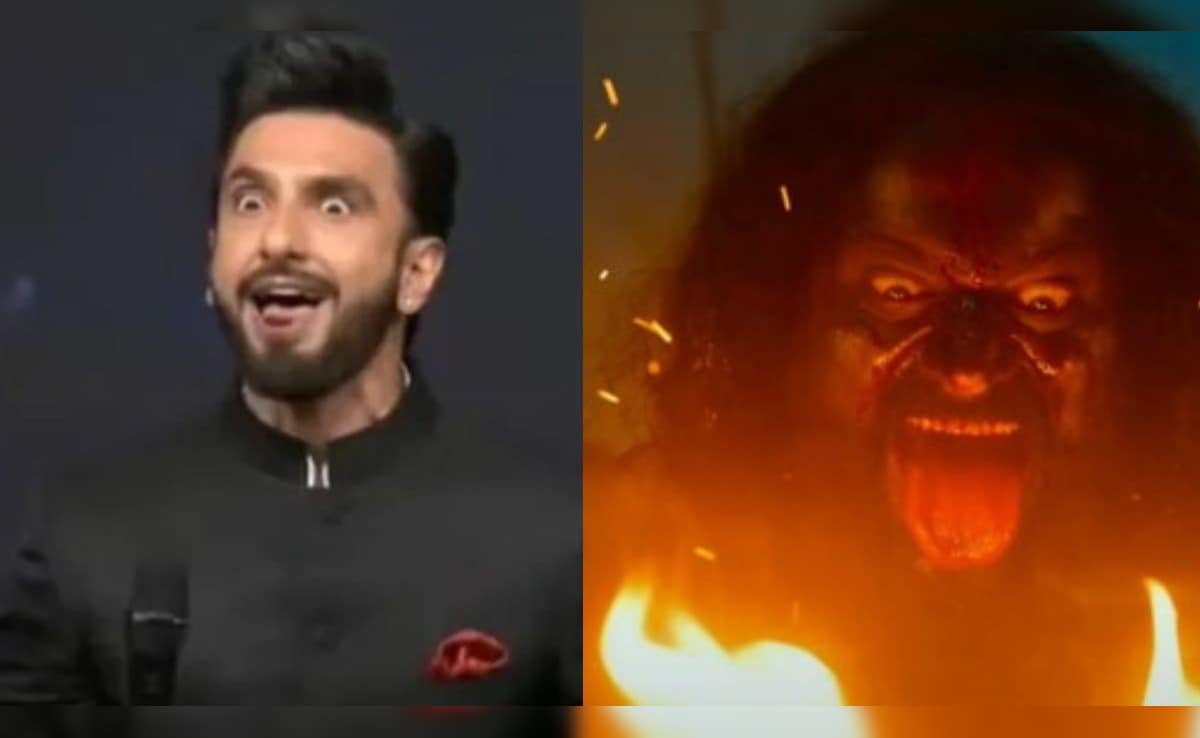
Ranveer Singh Goes To Karnataka High Court Against FIR For 'Kantara' Mimicry
📰 RSS Feed Image
📖 Table of Contents
🎬 Latest Development: Ranveer Singh's 'Kantara' Mimicry Sparks Legal Battle: Actor Approaches Karnataka High Court Over FIR
Mimicry, FIR, High Court, Ranveer.
📋 What You Need to Know
Bollywood's dynamic superstar, Ranveer Singh, finds himself embroiled in a significant legal tussle after an FIR was lodged against him for allegedly mimicking a scene from the acclaimed Kannada film 'Kantara'. The incident, which reportedly occurred during a public event, led to accusations of hurting religious sentiments and copyright infringement, prompting the actor to take pre-emptive legal action. Singh has now approached the Karnataka High Court, seeking to quash the FIR and protect his artistic freedom. This development has ignited a broader discussion within the entertainment industry about the boundaries of parody, cultural appropriation, and the increasing scrutiny celebrities face in the public eye. The outcome of this legal challenge could set a precedent for how similar cases are handled in the future.
🎭 Complete Story
The controversy stems from an event where Ranveer Singh reportedly performed a mimicry act inspired by a pivotal sequence from Rishab Shetty's blockbuster 'Kantara'. While the exact details of the mimicry remain a subject of debate, reports suggest that the performance, intended as a tribute or comedic act, was perceived by some as disrespectful and an affront to the cultural and religious sentiments associated with the film's source material. 'Kantara' features the traditional Bhootakola ritual, a sacred practice in coastal Karnataka, which involves a performer embodying a deity. The FIR was filed against Singh under various sections, potentially including those related to copyright infringement and hurting religious feelings, though specific charges are yet to be fully disclosed.
📊 Industry Analysis
The Ranveer Singh-Kantara mimicry controversy is not an isolated incident but rather indicative of a growing trend where celebrity actions, particularly those perceived as culturally insensitive or religiously offensive, are met with swift legal and social backlash. In an era dominated by social media, where content spreads instantaneously and opinions are vocalized without filter, public figures are under unprecedented scrutiny. This incident brings to the forefront the delicate balance between artistic freedom and the respect for cultural and religious sensitivities, especially when dealing with art forms rooted in specific regional traditions. The film industry, particularly Bollywood, has often found itself at the receiving end of such controversies, leading to debates on self-censorship, the need for cultural consultants, and the broader implications of mass media representation.
💬 Expert Commentary
"This case presents a fascinating legal challenge, balancing freedom of expression against cultural sensitivities and potential copyright issues," comments Mr. Rajeev Kumar, a seasoned media law expert. "Ranveer's defense will likely hinge on proving a lack of malicious intent and establishing that his act falls within the ambit of fair use or parody. However, the spiritual depth of 'Kantara's Bhootakola ritual means the court will also weigh the cultural impact. It's not just about copyright, but also about public sentiment and the interpretation of cultural symbols. The outcome here could significantly influence how courts interpret 'offense' in artistic contexts."
🔗 Related Context
This incident echoes several past controversies where celebrities faced legal action or public outcry for their creative expressions. From stand-up comedians facing charges for jokes perceived as offensive to filmmakers battling censorship boards over religious themes, the intersection of art, culture, and law in India is often fraught. For instance, the controversy surrounding the film 'Padmaavat' (initially 'Padmavati') saw its director and lead actors facing threats and FIRs over alleged historical distortion and disrespect to Rajput culture. Similarly, many artists have been challenged for their interpretations of mythological figures or traditional art forms. These cases collectively underscore a broader societal debate about how far artistic license extends, particularly when it touches upon deeply held beliefs, cultural practices, or historical narratives. The Ranveer Singh-Kantara case is another chapter in this ongoing dialogue, emphasizing the need for clarity on legal definitions of offense, parody, and the rights of cultural communities.
🔍 Explore More Bollywood Content
Stay connected with the latest happenings in Hindi cinema:
Exclusive stories about your favorite Bollywood stars
Latest box office numbers and film business analysis
Inside stories and exclusive Bollywood entertainment news
💡 Visit Hindi Cinema News for more.
🎯 Key Takeaways
The legal battle initiated by Ranveer Singh in the Karnataka High Court against the FIR for his 'Kantara' mimicry underscores a complex interplay between artistic freedom, cultural sensitivity, and legal repercussions in modern India. As celebrities navigate an increasingly scrutinized public sphere, every action, especially those involving cultural references, is subject to intense public and legal examination. The outcome of this case will not only determine the immediate fate of the FIR against Ranveer Singh but could also establish a significant precedent for how the judiciary interprets parody and cultural representation within the entertainment industry. It serves as a potent reminder for artists and public figures to exercise greater mindfulness and engage in deeper cultural understanding when drawing inspiration from diverse traditions, ensuring that their expressions enrich rather than offend the vibrant tapestry of Indian culture.
❓ Frequently Asked Questions
Q: When did this news break?
A: This story was reported today with comprehensive coverage as details emerge.
Q: What makes this significant?
A: This development represents an important moment in the Hindi film industry.
📢 Stay Updated
Don't miss breaking entertainment news! Follow us for real-time updates.
What's your take? Share your thoughts in the comments!
