
Badshah Apologises for Tateeree Lyrics: "Aisa Iraada Nahi Tha"
🚨 Breaking Bollywood News Alert! Get the complete inside story. Updated March 8, 2026.
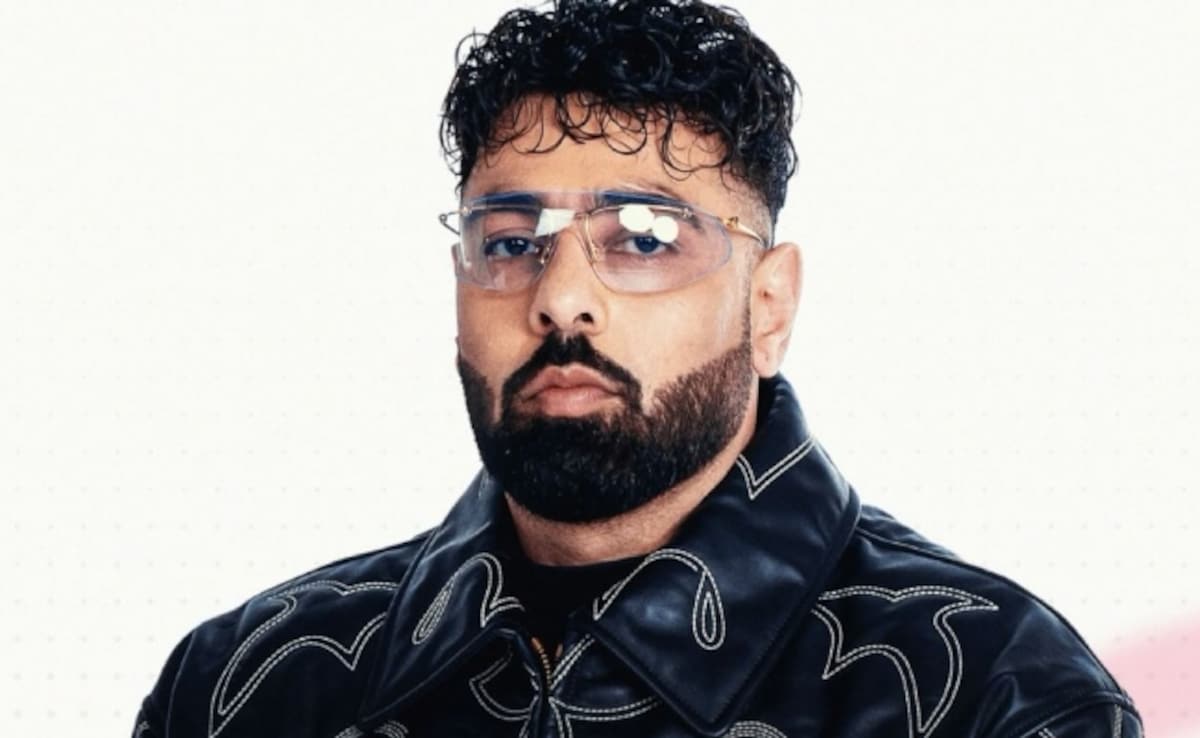
Badshah Apologises For Haryanvi Track Tateeree's Obscene Lyrics: "Aisa Iraada Nahi Tha"
📰 RSS Feed Image
📖 Table of Contents
🎬 Latest Development: Badshah's "Aisa Iraada Nahi Tha": Rapper Apologises for 'Tateeree' Obscene Lyrics Controversy
Badshah apologises for Tateeree lyrics
📋 What You Need to Know
Popular rapper Badshah has found himself embroiled in controversy following the release of his Haryanvi track, 'Tateeree.' The song, which quickly gained traction, also drew significant backlash for what many deemed as obscene and disrespectful lyrics. In response to the growing public outcry, Badshah has issued a heartfelt apology, expressing deep regret and clarifying his intentions. "Aisa iraada nahi tha" – 'that was not my intention' – he stated, emphasizing his pride in his Haryanvi heritage and asserting that he never meant to offend any child or woman from Haryana. This incident highlights the delicate balance artists must maintain between creative freedom and cultural sensitivity, especially when their work reaches a massive and diverse audience.
🎭 Complete Story
The controversy surrounding 'Tateeree' erupted shortly after its release, with listeners pointing out specific lines in the Haryanvi track that were perceived as vulgar, misogynistic, and derogatory towards women and children. Social media quickly became a platform for public condemnation, with many expressing disappointment in an artist of Badshah's stature for promoting such content. Critics argued that the lyrics were not just offensive but also contributed to a culture of disrespect, especially in a region known for its rich cultural heritage. Responding to the mounting pressure, Badshah promptly released an official statement. In his apology, he unequivocally stated, "I am a very proud Haryanvi. I never intended to talk badly about any child or woman of Haryana." He further elaborated that his creative process was meant to be lighthearted and entertaining, and any offense caused was unintentional. This public admission of fault and clarification of intent aimed to quell the storm and reassure his audience of his respect for Haryanvi culture and its people.
📊 Industry Analysis
The incident involving Badshah's 'Tateeree' is not an isolated one in the Indian music industry. Artists, particularly those in the rap and pop genres, frequently face scrutiny for their lyrical content. This phenomenon underscores the ongoing tension between artistic freedom and societal expectations, especially in a culturally diverse and conservative nation like India. While artists often claim creative license, the sheer reach and influence of popular music mean that lyrics can have a profound impact on public perception, particularly among younger audiences. Social media has amplified this dynamic, allowing controversies to erupt rapidly and spread widely, forcing artists and labels to respond almost immediately. The industry is increasingly navigating a landscape where cultural sensitivity and respect for local sentiments are paramount, and missteps can lead to significant public relations crises, boycotts, and even legal action. This trend pushes artists to be more mindful of their lyrical choices and the potential interpretations of their work across different demographics.
💬 Expert Commentary
"Badshah's apology is a textbook example of how quickly artists need to respond to public sentiment in the digital age," comments Dr. Kavita Sharma, a cultural studies professor. "His emphasis on being a 'proud Haryanvi' is a strategic move to reconnect with his roots and mitigate the damage, appealing to a sense of regional identity. However, it also highlights the responsibility that comes with influence. What might be perceived as 'just entertainment' by an artist can be deeply offensive to a community, especially when it touches upon gender and cultural values." Music critic Rohan Gupta adds, "This incident will likely serve as a cautionary tale. While rap music often pushes boundaries, there's a growing intolerance for misogynistic or culturally insensitive content. Artists need to understand their audience beyond just streams and views; they need to understand the cultural fabric they are operating within. An apology is a start, but sustained effort in future work to be more inclusive and respectful is what truly counts."
🔗 Related Context
This controversy echoes similar incidents involving other prominent Indian artists who have faced public backlash and legal challenges over their lyrics or music videos. The rising awareness regarding gender sensitivity, fueled by social movements and increased media scrutiny, means that artists are now held to a higher standard of accountability. In the past, certain types of lyrics might have been overlooked or dismissed as harmless banter, but today's audience is more vocal and critical. The 'Tateeree' incident also brings to light the specific cultural nuances of Haryanvi music and its representation. The need for artists to engage respectfully with regional cultures, understanding local idioms and sentiments, is more critical than ever. This ongoing dialogue shapes the evolving landscape of Indian popular music, pushing for more responsible and inclusive artistic expression.
🔍 Explore More Bollywood Content
Stay connected with the latest happenings in Hindi cinema:
Comprehensive coverage of the Indian film industry
Get the latest breaking news and updates from Hindi cinema
Expert reviews and ratings of the latest Hindi films
💡 Visit Hindi Cinema News for more.
🎯 Key Takeaways
Badshah's swift apology regarding the 'Tateeree' lyrics controversy underscores the immediate and widespread impact of artistic content in today's digital era. His clarification that "Aisa iraada nahi tha" and his assertion of pride in his Haryanvi identity aim to mend fences with a community that felt disrespected. This incident serves as a powerful reminder to all artists about the profound responsibility that accompanies their creative freedom. While the intention may not always be malicious, the interpretation and impact of lyrics can be far-reaching, especially concerning sensitive cultural and gender themes. Moving forward, this episode will undoubtedly prompt deeper reflection within the music industry on the importance of cultural sensitivity, lyrical integrity, and the continuous dialogue between artists and their audience to foster a more respectful and inclusive creative environment.
❓ Frequently Asked Questions
Q: When did this news break?
A: This story was reported today with comprehensive coverage as details emerge.
Q: What makes this significant?
A: This development represents an important moment in the Hindi film industry.
📢 Stay Updated
Don't miss breaking entertainment news! Follow us for real-time updates.
What's your take? Share your thoughts in the comments!
