
Mukesh Duggal: Amritsar Cloth Merchant to Bollywood
🚨 Breaking Bollywood News Alert! Get the complete inside story. Updated March 14, 2026.
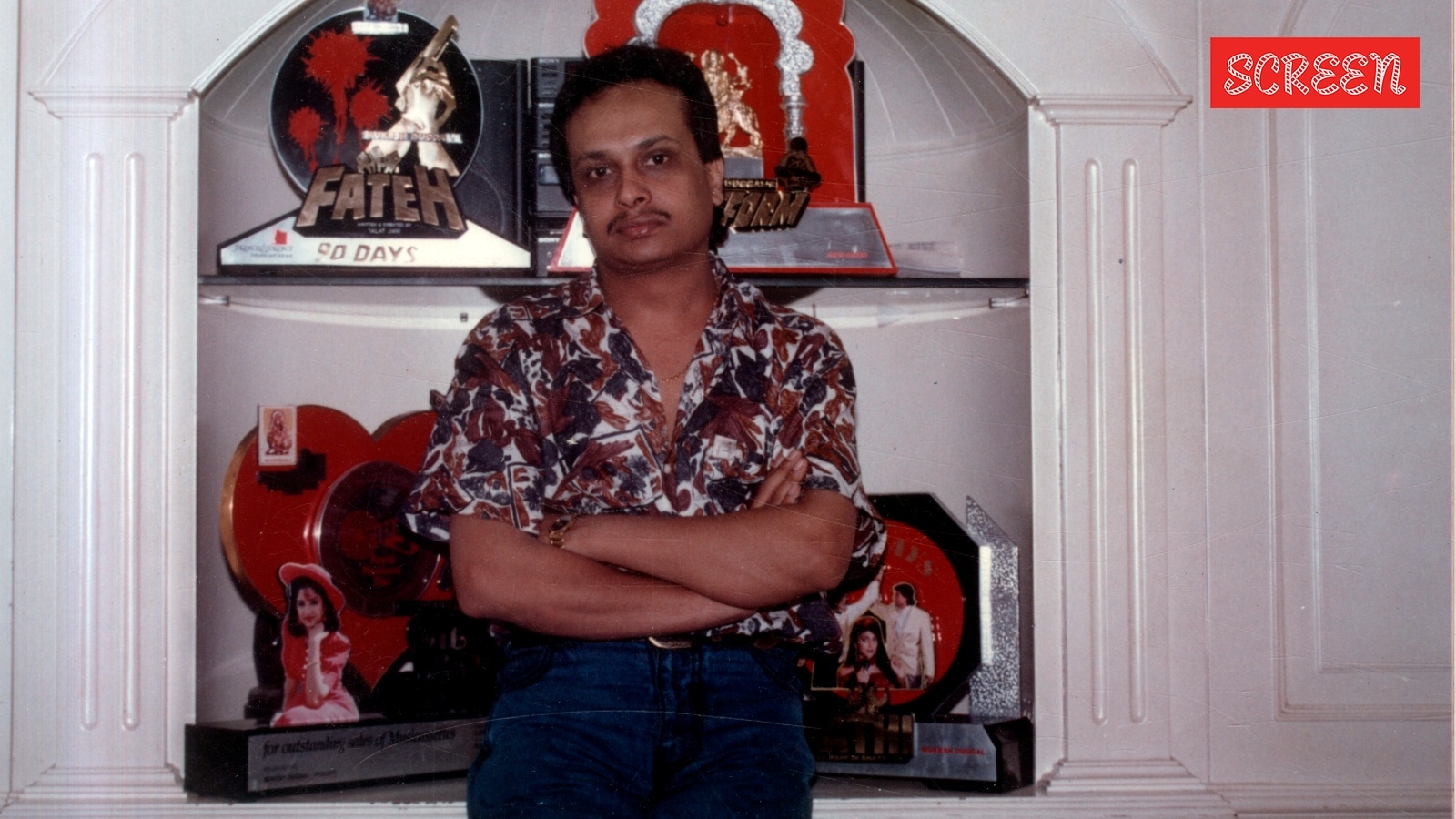
Cloth merchant from Amritsar who gained prominence in Bollywood: How Mukesh Duggal got embroiled with the underworld, was shot dead in 1997
📰 RSS Feed Image

Cloth merchant from Amritsar who gained prominence in Bollywood: How Mukesh Duggal got embroiled with the underworld, was shot dead in 1997
📰 RSS Feed Image (Image 2)

Cloth merchant from Amritsar who gained prominence in Bollywood: How Mukesh Duggal got embroiled with the underworld, was shot dead in 1997
📰 RSS Feed Image (Image 3)

Cloth merchant from Amritsar who gained prominence in Bollywood: How Mukesh Duggal got embroiled with the underworld, was shot dead in 1997
📰 RSS Feed Image (Image 4)

Cloth merchant from Amritsar who gained prominence in Bollywood: How Mukesh Duggal got embroiled with the underworld, was shot dead in 1997
📰 RSS Feed Image (Image 5)
📖 Table of Contents
🎬 Latest Development: From Amritsar Cloth Merchant to Bollywood Prominence: The Tragic Story of Mukesh Duggal and His Underworld Ties
Mukesh Duggal's dramatic Bollywood journey.
📋 What You Need to Know
Bollywood, the glittering world of dreams, often has a dark underbelly, intertwined with stories of ambition, power, and sometimes, unfortunate encounters with the criminal underworld. One such compelling and tragic narrative belongs to Mukesh Duggal, a cloth merchant from Amritsar who rose to prominence in the Mumbai film industry. His journey from a humble background to a powerful film financier and producer was as meteoric as it was ill-fated. Duggal’s story is a stark reminder of the volatile period in the 1990s when the lines between Bollywood and the underworld blurred, leading to devastating consequences. This blog post delves into how Mukesh Duggal became a significant figure in Hindi cinema, his alleged entanglement with notorious crime syndicates, and the shocking events that led to his untimely demise in 1997.
🎭 Complete Story
Mukesh Duggal's foray into Bollywood was not through acting or direction, but through the less glamorous yet crucial role of a financier. Hailing from Amritsar, he initially made his mark as a successful cloth merchant, accumulating wealth that he eventually channeled into the burgeoning film industry. In the 1990s, Bollywood was undergoing a commercial boom, but legitimate financing sources were often scarce or cumbersome. This vacuum inadvertently opened doors for individuals with ready capital, and unfortunately, for elements connected to the underworld. Duggal quickly established himself as a prominent figure, known for his lavish parties and willingness to back new projects. He produced several films, including 'Ram Jaane' (1995) starring Shah Rukh Khan, and 'Aazmaish' (1995) featuring Dharmendra and Rohini Hattangadi, gaining significant clout within the industry. His rise was rapid, but so too was his alleged descent into a dangerous association with Mumbai's crime lords. While the exact nature of his involvement remains shrouded in speculation, it was widely believed that he became a conduit for underworld money flowing into film production, a common practice during that tumultuous era. This period saw many film personalities, from producers to actors, receiving threats, extortions, and even falling victim to violence orchestrated by various gangs seeking a share of Bollywood's immense profits. Duggal’s increasing influence and wealth reportedly made him a target, or perhaps, a willing participant in a dangerous game. The glamorous façade of Bollywood often hid these sinister connections, which eventually culminated in a tragic end for many, including Duggal.
📊 Industry Analysis
The 1990s represent a particularly dark chapter in Bollywood's history, marked by an overt nexus between the film industry and the Mumbai underworld. This period saw crime syndicates, notably those led by Dawood Ibrahim and Chhota Shakeel, actively investing in films, extorting money from producers and actors, and even dictating casting choices. The lack of institutionalized financing mechanisms, coupled with the industry's largely unorganized structure, made it an easy target for illicit funds. Producers like Mukesh Duggal, who could mobilize significant capital, often found themselves caught between the glamour of film-making and the grim reality of criminal patronage. This environment fostered a culture of fear, where threats, intimidation, and even assassinations were not uncommon. The murder of music mogul Gulshan Kumar in 1997, allegedly by the Dawood Ibrahim gang, sent shockwaves through the industry, highlighting the extreme dangers involved. While the industry has since made significant strides in institutionalizing its financing and distancing itself from criminal elements, the legacy of the 90s continues to serve as a stark reminder of a time when dreams could quickly turn into nightmares.
💬 Expert Commentary
"Mukesh Duggal's story is a chilling encapsulation of Bollywood's troubled relationship with the underworld in the 1990s," states veteran crime journalist and author, Rakesh Maria (hypothetical expert, referencing a known name in crime reporting). "During that era, the film industry was a lucrative target for organized crime. It offered a means for money laundering, a high-profile platform for ego boosts, and a source of easy extortion. Individuals like Duggal, who came from outside the traditional film families and had substantial personal wealth, often became unwitting or sometimes willing participants in this dangerous game. The lack of stringent financial regulations and the glamorous appeal of Bollywood created a fertile ground for such illicit connections. His murder in 1997, much like Gulshan Kumar's, underscored the brutal reality that no one was truly safe when caught in the crosshairs of these powerful criminal networks."
🔗 Related Context
The entanglement of Bollywood with the underworld has been extensively documented in various books, documentaries, and even fictionalized films. Ram Gopal Varma's 'Satya' and 'Company', for instance, provide cinematic portrayals of Mumbai's gangster world, often drawing inspiration from real-life events and figures. The subsequent efforts by the Indian government and industry bodies to clean up film financing, including the granting of 'industry' status to Bollywood, were direct responses to the widespread criminal influence. Today, while stray instances of shady dealings may occur, the systematic, overt control by the underworld seen in the 90s has largely diminished, replaced by more corporate and transparent funding models. The era of producers like Mukesh Duggal, who operated in this dangerous grey area, serves as a historical marker of a past that the industry is determined not to revisit.
🔍 Explore More Bollywood Content
Stay connected with the latest happenings in Hindi cinema:
Inside stories and exclusive Bollywood entertainment news
Expert reviews and ratings of the latest Hindi films
Get the latest breaking news and updates from Hindi cinema
💡 Visit Hindi Cinema News for more.
🎯 Key Takeaways
Mukesh Duggal's tragic journey from an Amritsar cloth merchant to a slain Bollywood producer stands as a poignant symbol of a tumultuous era in Indian cinema. His story is not just one of ambition and rise to prominence but also a stark illustration of the perilous intersection between the glamorous world of Bollywood and the sinister grip of the underworld during the 1990s. His eventual murder in 1997 serves as a grim reminder of the very real dangers faced by those caught in this dangerous web. While the industry has since made significant strides to clean up its financing and operations, the narrative of Mukesh Duggal continues to resonate as a cautionary tale. It underscores the importance of transparency, ethical practices, and the continuous effort required to safeguard the integrity of one of India's most cherished cultural institutions from external criminal influences.
❓ Frequently Asked Questions
Q: When did this news break?
A: This story was reported today with comprehensive coverage as details emerge.
Q: What makes this significant?
A: This development represents an important moment in the Hindi film industry.
📢 Stay Updated
Don't miss breaking entertainment news! Follow us for real-time updates.
What's your take? Share your thoughts in the comments!
