
Nora Fatehi's 'Sarke Chunar' Song Faces Vulgarity Backlash
🚨 Breaking Bollywood News Alert! Get the complete inside story. Updated March 16, 2026.
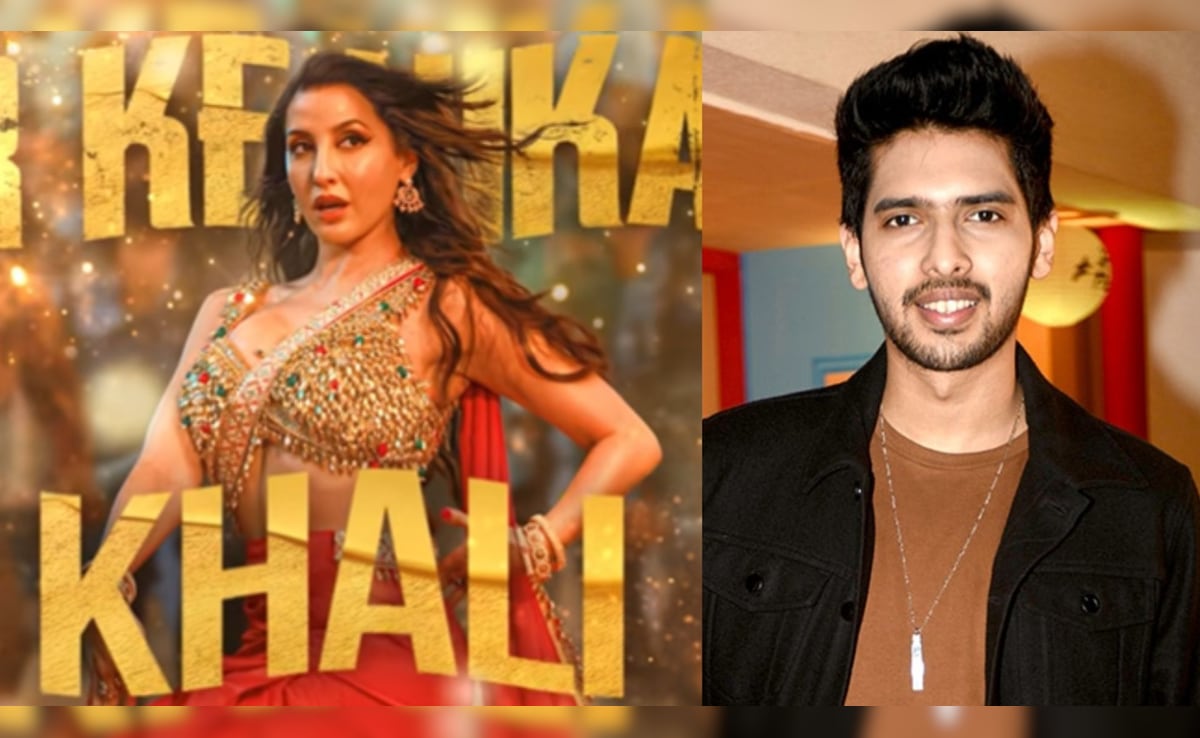
Nora Fatehi's New Song Sarke Chunar Teri Sarke From KD Faces Backlash Over Vulgar Lyrics, Armaan Malik Reacts
📰 RSS Feed Image
📖 Table of Contents
🎬 Latest Development: 'Sarke Chunar Teri Sarke': Nora Fatehi's New Song Ignites Controversy Over "Vulgar Lyrics," Armaan Malik Weighs In
Vulgar Lyrics Spark Massive Outcry
📋 What You Need to Know
The glitz and glamour of Bollywood often come hand-in-hand with intense public scrutiny, and the latest to find itself under the microscope is Nora Fatehi's new dance number, "Sarke Chunar Teri Sarke." Featured in the upcoming Kannada-language action crime film, *KD: The Devil*, the song was intended to be a vibrant addition, but instead, it has landed squarely in the midst of a fierce controversy. Social media platforms are abuzz with criticism, as a significant segment of the audience has deemed its lyrics "vulgar" and culturally inappropriate. The backlash has intensified with renowned singer Armaan Malik, who is associated with the track, stepping forward to address the brewing storm, adding another layer to the complex debate surrounding artistic expression and public sentiment in Indian cinema.
🎭 Complete Story
"Sarke Chunar Teri Sarke," featuring the electrifying dance moves of Nora Fatehi, was unveiled with much fanfare, promising to be another chartbuster. However, shortly after its release, snippets of the song's lyrics began circulating online, drawing immediate and widespread condemnation. Critics pointed to specific lines, claiming they were overtly suggestive, bordering on vulgarity, and unsuitable for a mainstream audience, particularly given the film's potential reach across different demographics. The song’s placement in *KD: The Devil*, a Kannada film, further sparked discussions within regional cultural circles about the appropriateness of such content in local cinema, often seen as a reflection of traditional values.
📊 Industry Analysis
The controversy surrounding "Sarke Chunar Teri Sarke" is not an isolated incident but rather a recurring symptom of a broader, ongoing debate within the Indian film industry regarding "item numbers" and suggestive lyrical content. For decades, Bollywood and regional cinemas have utilized such songs to add commercial appeal and spectacle, often featuring leading actresses or celebrated dancers. While these numbers frequently become massive hits, they are also consistently scrutinized for their portrayal of women, often accused of objectification and promoting regressive stereotypes. This incident highlights the tension between artistic freedom and societal responsibility. Filmmakers and music directors often argue for creative liberty, stating that songs are a reflection of contemporary culture or serve a specific narrative purpose. However, critics, including cultural commentators and women's rights advocates, contend that mass media, especially cinema, has a powerful influence on public perception and therefore bears a responsibility to uphold certain ethical standards. The reaction to Nora Fatehi's song underscores the growing assertiveness of audiences, particularly on digital platforms, in expressing their views and holding creators accountable for the content they produce. This dynamic forces the industry to constantly re-evaluate its approach to song composition and visual representation.
💬 Expert Commentary
Dr. Priya Sharma, a noted cultural sociologist specializing in Indian media, offered her insights into the "Sarke Chunar" controversy. "This backlash reflects a growing consciousness among Indian audiences, particularly younger generations, about the content they consume," Dr. Sharma explained. "While 'item numbers' have historically been a staple, there's an increasing demand for lyrics that are not just catchy but also respectful and meaningful. The term 'vulgar' itself is subjective, but the collective sentiment indicates a boundary has been crossed for many. Armaan Malik's reaction, whatever its specifics, is a testament to the fact that artists can no longer remain insulated from public opinion in the age of social media. This isn't just about censorship; it's about evolving cultural sensitivities and the responsibility of creators to engage with their audience's values. It forces a critical look at whether commercial success should always override cultural appropriateness, and whether the industry is truly listening to the changing voices of its consumers."
🔗 Related Context
The history of Indian cinema is replete with instances where songs have sparked controversy over their lyrics or visuals. From the infamous "Choli Ke Peeche Kya Hai" in the 90s to more recent tracks that have faced legal challenges or public outcry, the debate over 'vulgarity' and 'obscenity' is perennial. Often, these controversies are amplified when the songs feature prominent stars or are part of highly anticipated films, as is the case with Nora Fatehi and *KD: The Devil*. Such incidents frequently lead to discussions about censorship, the role of the Censor Board, and the moral policing of art. They also highlight the divergent views on what constitutes "entertainment" versus "offence" in a diverse cultural landscape, showcasing the constant push and pull between creative expression and societal expectations that define the Indian film music industry.
🔍 Explore More Bollywood Content
Stay connected with the latest happenings in Hindi cinema:
Inside stories and exclusive Bollywood entertainment news
First look at movies coming soon to theaters
Breaking news from the world of Hindi cinema
💡 Visit Hindi Cinema News for more.
🎯 Key Takeaways
The controversy surrounding Nora Fatehi's "Sarke Chunar Teri Sarke" from *KD: The Devil* serves as a potent reminder of the delicate tightrope walk that filmmakers and music artists must navigate in contemporary Indian cinema. While the desire to create commercially successful and visually appealing content is understandable, the public's swift and vocal reaction to perceived "vulgar lyrics" underscores a growing demand for content that respects cultural sensibilities. Armaan Malik's response further highlights the inescapable scrutiny artists face in the digital age. This incident will undoubtedly contribute to the ongoing discourse about artistic freedom, the evolving standards of lyrical content, and the ethical responsibilities of creators, leaving a lasting impact on how future song compositions and visual presentations are approached in the vibrant, yet often contentious, world of Indian entertainment.
❓ Frequently Asked Questions
Q: When did this news break?
A: This story was reported today with comprehensive coverage as details emerge.
Q: What makes this significant?
A: This development represents an important moment in the Hindi film industry.
📢 Stay Updated
Don't miss breaking entertainment news! Follow us for real-time updates.
What's your take? Share your thoughts in the comments!
