
Sarke Sarke: 10 Controversial Songs That Stirred India
🚨 Breaking Bollywood News Alert! Get the complete inside story. Updated March 17, 2026.
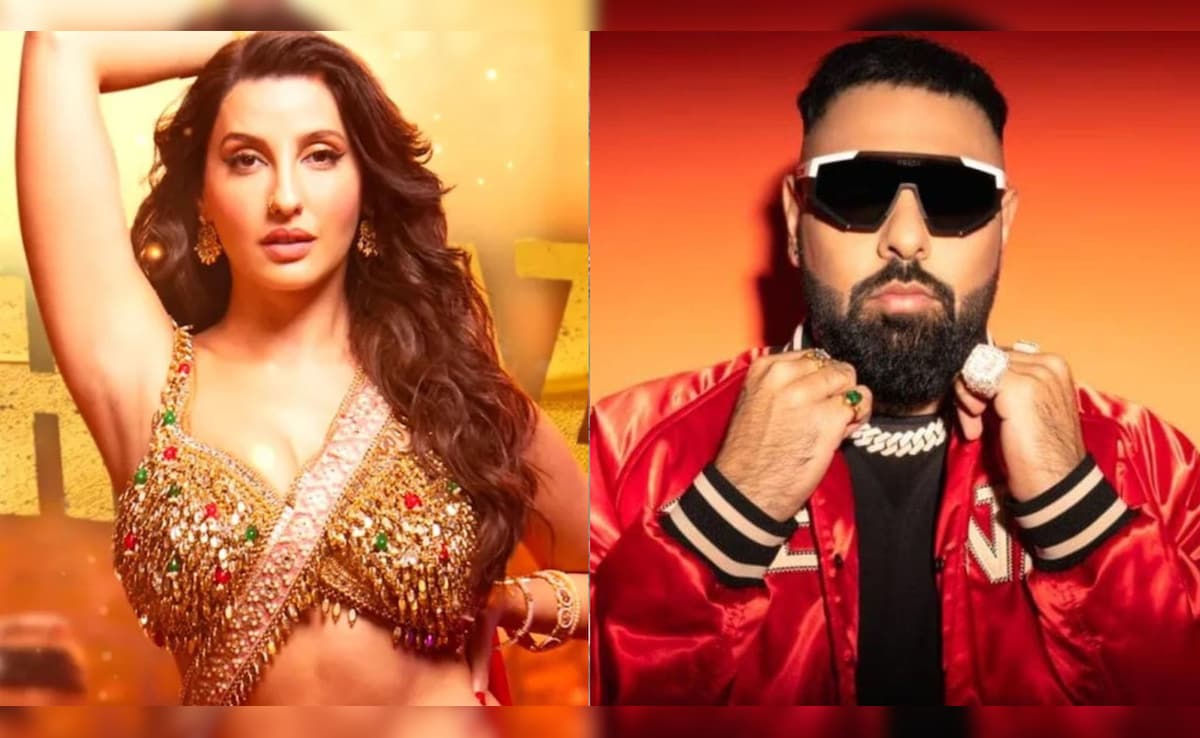
Sarke Sarke To Tateeree, 10 Songs That Stirred Controversy Over The Years
📰 RSS Feed Image
📖 Table of Contents
🎬 Latest Development: From Sarke Sarke To Tateeree: India's Top 10 Songs That Ignited Mass Controversy
Songs that sparked public uproar.
📋 What You Need to Know
The Indian music landscape, particularly Bollywood, has always been a vibrant mix of melodies, rhythms, and narratives. Yet, beneath the surface of catchy tunes and grand visuals, lies a history dotted with songs that have inadvertently (or sometimes intentionally) stepped into the minefield of public opinion, sparking widespread controversy. The latest addition to this contentious list is "Sarke Chunar Teri Sarke," featuring Nora Fatehi and Sanjay Dutt, a track that swiftly garnered backlash for its lyrical content and depiction. This incident is far from isolated, echoing a recurring theme where artistic expression clashes with societal norms, cultural sensitivities, or perceived vulgarity, leading to intense debates, calls for censorship, and even removal from platforms.
🎭 Complete Story
The recent uproar surrounding "Sarke Chunar Teri Sarke" serves as a stark reminder of the delicate balance artists must maintain in the public eye. The song, featuring the popular dancer Nora Fatehi and veteran actor Sanjay Dutt, quickly became a focal point of criticism. Initial reports and social media discussions highlighted concerns over its suggestive lyrics and potentially offensive portrayal, leading to a swift and significant backlash. The controversy escalated to the point where the Hindi version of the song was reportedly pulled from YouTube and other streaming platforms, a move that underscores the power of public sentiment in the digital age. This incident has reignited conversations about creative freedom versus cultural responsibility, the role of lyricists in shaping public discourse, and the immediate impact of social media on content reception. The song's removal, while a victory for those offended, also raises questions about censorship and the boundaries of artistic expression. It prompts a deeper look into the mechanisms through which public outrage can influence content distribution and the self-regulatory measures platforms and creators might adopt. The "Sarke Sarke" controversy is not just about one song; it's a symptom of a larger societal debate about what constitutes acceptable entertainment and where the lines of decency are drawn in a diverse and evolving cultural landscape. The artists involved, including Nora Fatehi and Sanjay Dutt, found themselves at the center of this storm, facing scrutiny not just for their performance but for their association with the contentious material. The incident serves as a crucial case study in the rapid cycle of content creation, public reaction, and platform response in today's hyper-connected world.
📊 Industry Analysis
The Indian music and film industry operates within a complex web of cultural expectations, diverse audiences, and evolving social norms. Controversies surrounding songs are not new, but their frequency and intensity have undeniably amplified with the advent of social media. Historically, songs like "Choli Ke Peeche Kya Hai" from Khalnayak or "D.K. Bose" from Delhi Belly faced significant criticism for their perceived vulgarity or double entendres. However, the digital era has democratized outrage, allowing public sentiment to coalesce rapidly and exert immediate pressure on creators, platforms, and even regulatory bodies. This shift has led to a more cautious approach from many production houses and music labels, who are now acutely aware of the potential for a viral backlash. The industry faces a constant tightrope walk: innovating and pushing creative boundaries while remaining sensitive to the diverse moral compass of its vast audience. The "Sarke Sarke" episode highlights the precarious position of artists, who must navigate personal expression against the backdrop of collective cultural values. Furthermore, it underscores the growing influence of digital platforms like YouTube, not just as distributors but also as arbiters of content, capable of removing material based on community guidelines or public pressure. This dynamic forces a re-evaluation of content creation strategies, with an increased focus on pre-release sensitivity checks and proactive PR management to mitigate potential controversies before they escalate.
💬 Expert Commentary
"The 'Sarke Sarke' controversy exemplifies the ongoing tension between artistic freedom and social responsibility in the digital age," states Dr. Priya Sharma, a cultural critic specializing in Indian media. "While artists have the right to express themselves, the massive reach of popular media means they also carry a significant responsibility towards their audience, especially in a culturally diverse nation like India. What might be perceived as harmless fun by one group could be deeply offensive to another." Rohan Mehra, a veteran music producer, adds, "The speed at which a song can go viral, both positively and negatively, is unprecedented. For lyricists and composers, it's a constant challenge to create something fresh and engaging without crossing lines that are often unspoken and constantly shifting. The industry is now more risk-averse, leading to a dilemma where creativity might sometimes be stifled by the fear of backlash." Meanwhile, digital marketing strategist Alisha Singh observes, "Social media acts as a magnifying glass. A single tweet can snowball into a national debate. Brands and artists need robust crisis management strategies, and platforms are increasingly forced to take quick action to maintain their reputation and avoid being seen as complicit in promoting controversial content."
🔗 Related Context
The history of controversial songs in India is rich and varied, extending beyond just lyrical content. From songs that offended religious sentiments to those deemed politically incorrect or overtly sexual, the industry has seen it all. The iconic "Choli Ke Peeche Kya Hai" (1993) faced moral outrage for its suggestive theme, yet went on to become a massive hit, showcasing the public's complex relationship with such content. More recently, songs like "Bhaag D.K. Bose Aandhi Aayi" (2011) from 'Delhi Belly' drew ire for its perceived profanity, leading to protests and calls for its ban. Even classical compositions or folk songs, when reinterpreted, have sometimes sparked debates. The common thread in these incidents is the clash between traditional values and modern interpretations, conservative viewpoints versus liberal artistic expressions. These controversies often reflect deeper societal anxieties and cultural shifts, serving as a barometer for public morality at any given time. The "Sarke Sarke" incident thus joins a long lineage of musical creations that have inadvertently or deliberately challenged the status quo, forcing a societal introspection on the boundaries of art and decency.
🔍 Explore More Bollywood Content
Stay connected with the latest happenings in Hindi cinema:
Latest box office numbers and film business analysis
Expert reviews and ratings of the latest Hindi films
First look at movies coming soon to theaters
💡 Visit Hindi Cinema News for more.
🎯 Key Takeaways
The "Sarke Sarke" controversy is more than just an isolated incident involving a single song; it's a potent symbol of the ever-present tension between creative expression and public reception in India's dynamic cultural landscape. It underscores the amplified power of social media in shaping public opinion and demanding accountability from artists and platforms alike. While the immediate consequence was the song's removal, the broader implications involve a renewed discussion on artistic freedom, the responsibilities that come with it, and the fluid nature of what society deems acceptable. As the music industry continues to evolve, navigating this intricate balance will remain a paramount challenge for creators, lyricists, and distributors. The incident serves as a critical lesson for future content creators to exercise greater sensitivity and foresight, ensuring that their artistic vision resonates positively with a diverse audience while fostering a healthy dialogue on the role of art in society.
❓ Frequently Asked Questions
Q: When did this news break?
A: This story was reported today with comprehensive coverage as details emerge.
Q: What makes this significant?
A: This development represents an important moment in the Hindi film industry.
📢 Stay Updated
Don't miss breaking entertainment news! Follow us for real-time updates.
What's your take? Share your thoughts in the comments!
