
Gen Z's Devil Wears Prada Review: Empowering & Problematic
🚨 Breaking Bollywood News Alert! Get the complete inside story. Updated April 30, 2026.
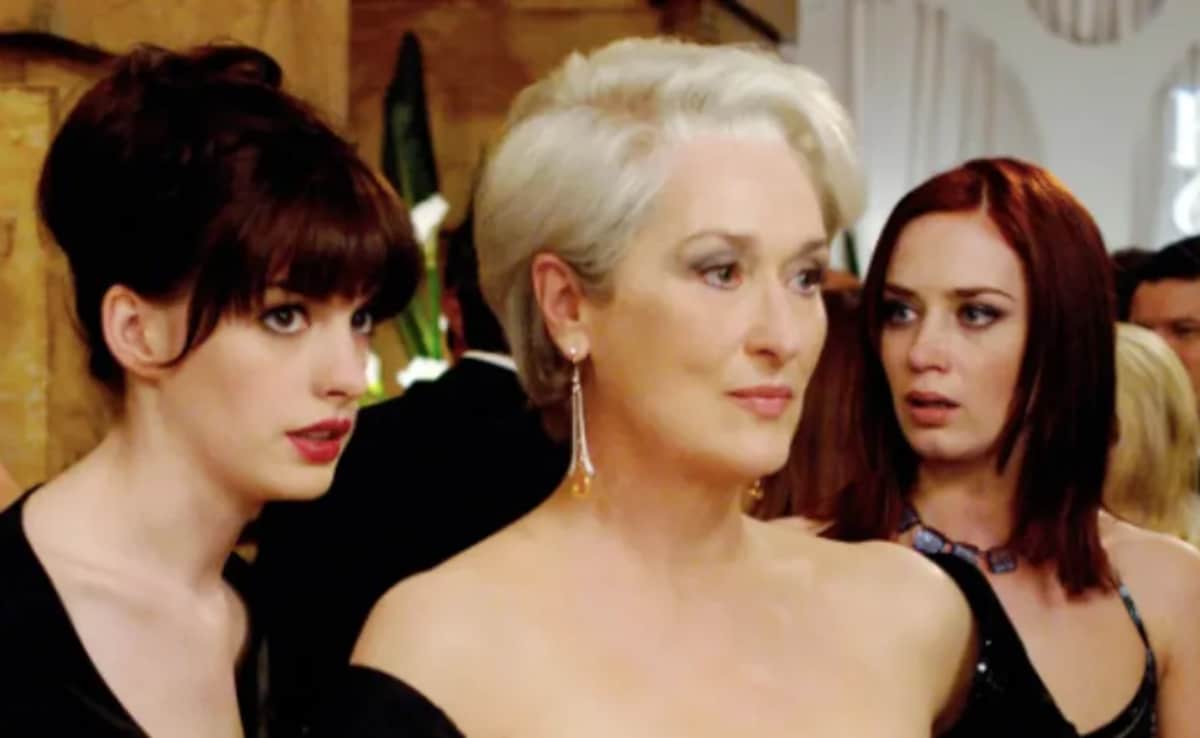
A Gen Z Review Of Devil Wears Prada: Why This Iconic Film Feels Both Empowering And Problematic Today
📰 RSS Feed Image
📖 Table of Contents
🎬 Latest Development: Beyond the Gloss: Gen Z's Unfiltered Take on The Devil Wears Prada in 2024
Fashion, Power, Paradoxes Reviewed Today
📋 What You Need to Know
The Devil Wears Prada, a cinematic phenomenon from 2006, continues to captivate new audiences, particularly Gen Z viewers who are discovering its sharp wit and iconic fashion for the first time. Re-watching it in the mid-2020s, however, reveals a complex tapestry of empowerment and deeply entrenched problematic elements. This film, often celebrated for its portrayal of ambition and the cutthroat fashion industry, now serves as a fascinating time capsule. It reflects a pre-digital era of corporate culture, where hustle porn was glorified, and workplace dynamics, especially gendered ones, were rarely questioned. For a generation acutely aware of mental health, ethical labor, and diverse representation, Miranda Priestly's reign and Andrea Sachs' journey spark both admiration and critical discussion, making the viewing experience a rich, layered exploration of societal shifts.
🎭 Complete Story
For Gen Z, the initial allure of The Devil Wears Prada lies in its aspirational fashion, the sheer spectacle of high-end brands, and the undeniable charisma of Meryl Streep's Miranda Priestly. The film brilliantly captures the intoxicating, albeit toxic, glamour of the fashion world. However, beneath the surface of designer clothes and coveted internships, Gen Z viewers quickly identify numerous elements that clash with contemporary values. The relentless pursuit of perfection, often at the expense of personal well-being and ethical boundaries, is a significant point of contention. Andrea's transformation, while visually appealing, is driven by an unhealthy work-life balance and a culture of subservience that would be widely criticized today. The film's portrayal of body image, particularly Emily Charlton's extreme dieting, feels outdated and potentially harmful. Furthermore, the lack of diversity within the Runway magazine staff, a predominantly white and affluent environment, stands out glaringly to a generation advocating for inclusive representation. The power dynamics, where Miranda's emotional abuse is normalized as a necessary evil for success, also raise red flags, prompting discussions about toxic leadership and workplace harassment that modern companies strive to dismantle.
📊 Industry Analysis
The fashion and media industries depicted in The Devil Wears Prada have undergone a seismic shift since 2006, largely influenced by digital transformation and a heightened societal awareness of ethical practices. In 2006, the industry was still largely gatekept by powerful editors and print magazines, with social media having minimal influence. Fast forward to today, and influencers, sustainability, and direct-to-consumer brands dominate. Gen Z's engagement with fashion is often through TikTok, Instagram, and YouTube, where authenticity and transparency are prized. The film's portrayal of an editor's absolute power over trends and careers feels almost anachronistic in an era where consumers and creators wield significant influence. Modern fashion journalism also places a much greater emphasis on ethical sourcing, labor practices, and body positivity, a stark contrast to Runway's seemingly unchecked luxury and demands for thinness. The industry has been forced to reckon with its past of exclusivity and exploitation, moving towards more inclusive casting, diverse narratives, and a greater emphasis on mental well-being for its workers, making the film a historical artifact rather than a blueprint for success.
💬 Expert Commentary
"The Devil Wears Prada is a fascinating case study in how cultural narratives evolve," states Dr. Anya Sharma, a sociologist specializing in media and youth culture. "For Gen Z, the film isn't just entertainment; it's a mirror reflecting how far we've come and how much more needs to change. They appreciate the ambition, but they critically dissect the cost of that ambition. The glorification of 'grind culture' and toxic leadership, once seen as a badge of honor, is now rightly identified as detrimental to mental health and healthy workplace environments. Miranda's character, while iconic, serves as a cautionary tale of unchecked power rather than an aspirational figure. This generation prioritizes well-being, ethical conduct, and genuine inclusivity, making them acutely sensitive to the film's problematic undertones while still appreciating its artistic merit and cultural impact."
🔗 Related Context
The Devil Wears Prada joins a growing list of beloved films and TV shows from previous decades that are being re-evaluated through a contemporary lens. Shows like *Friends* or *Sex and the City*, while iconic, are now critically examined for their lack of diversity, outdated gender roles, or problematic humor. This trend reflects a broader societal shift towards greater accountability in media representation and a demand for content that aligns with modern values of inclusivity, equity, and mental health awareness. The re-examination isn't about "canceling" these classics but understanding their historical context and acknowledging where they fall short by today's standards. It highlights the dynamic nature of cultural norms and how narratives that once seemed benign can, with evolving perspectives, reveal deeper societal issues, fostering important conversations across generations about progress and representation in popular culture.
🔍 Explore More Bollywood Content
Stay connected with the latest happenings in Hindi cinema:
Breaking news from the world of Hindi cinema
First look at movies coming soon to theaters
Get the latest breaking news and updates from Hindi cinema
💡 Visit Hindi Cinema News for more.
🎯 Key Takeaways
Ultimately, The Devil Wears Prada remains a compelling watch for Gen Z, albeit one approached with a nuanced and critical eye. It's a testament to its enduring storytelling and the power of its characters that it continues to spark debate and discussion almost two decades after its release. While the film offers glimpses of female ambition and the intoxicating world of high fashion, it also inadvertently exposes the problematic underbelly of unchecked corporate power, unrealistic beauty standards, and a severe disregard for employee well-being. For Gen Z, it's not simply a movie about fashion; it's a cultural artifact that prompts crucial conversations about workplace ethics, mental health, and the ongoing fight for genuine inclusivity. Its contradictions make it all the more relevant, serving as a reminder of how far society has progressed and the continuous journey towards more equitable and humane environments, both on-screen and off.
❓ Frequently Asked Questions
Q: When did this news break?
A: This story was reported today with comprehensive coverage as details emerge.
Q: What makes this significant?
A: This development represents an important moment in the Hindi film industry.
📢 Stay Updated
Don't miss breaking entertainment news! Follow us for real-time updates.
What's your take? Share your thoughts in the comments!
