
Millennials Troll Gen Z Harry Potter Series Ahead of 2026 Release
🚨 Breaking Bollywood News Alert! Get the complete inside story. Updated April 4, 2026.
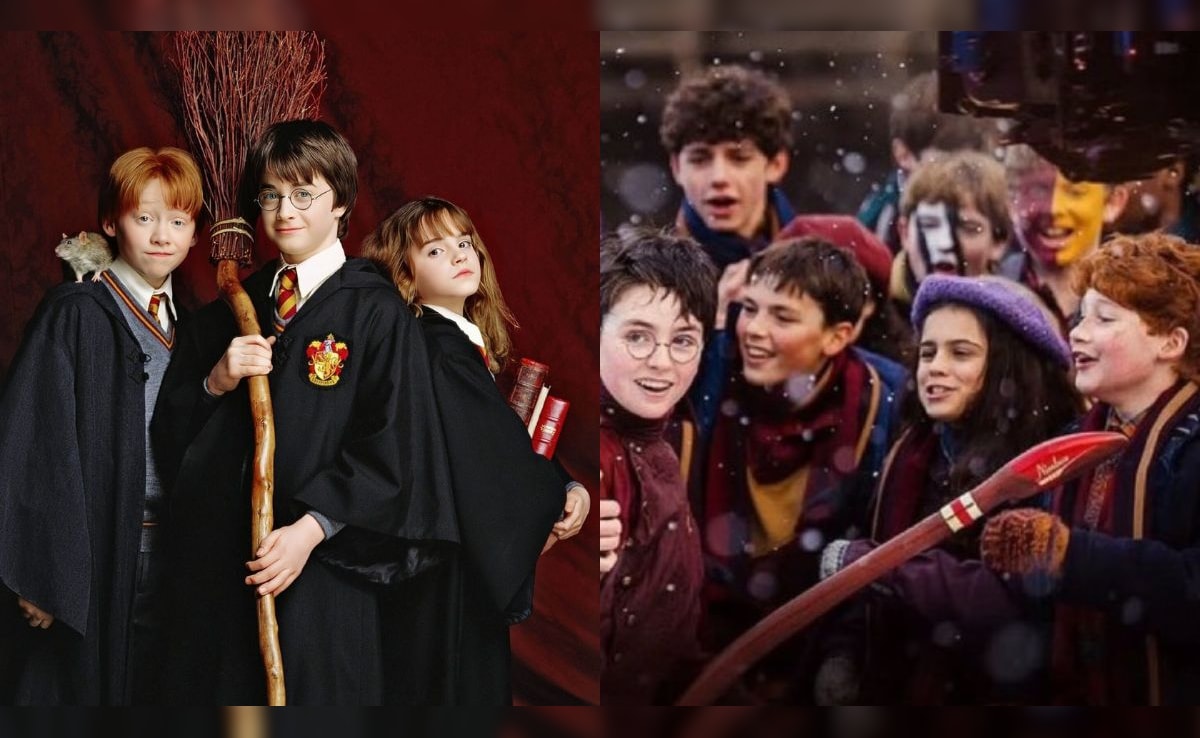
Why Millennials Are Trolling The Gen Z-Era Harry Potter Series
📰 RSS Feed Image
📖 Table of Contents
🎬 Latest Development: The Great Divide: Why Millennials Are Trolling the Upcoming Gen Z Harry Potter Series
Millennials vs. Gen Z Potter
📋 What You Need to Know
The magical world of Harry Potter is set for a grand return, with a new series adaptation slated for Christmas 2026, promising to introduce the beloved wizarding saga to a new generation – Gen Z. However, the announcement has ignited a fierce generational battle online, with Millennials, the original torchbearers of Potter-mania, leading a relentless trolling campaign against the upcoming reboot. This cultural clash highlights the deep emotional attachment older fans have to their childhood classics and the inherent tension that arises when beloved stories are re-imagined for a new era, often perceived as catering to different sensibilities. The internet has become the arena for this magical generational showdown.
🎭 Complete Story
The millennial backlash against the upcoming Harry Potter series stems from a potent cocktail of nostalgia, protectiveness, and perceived generational shifts in storytelling. Millennials, who grew up devouring the books and eagerly awaiting each film, view the original adaptations starring Daniel Radcliffe, Emma Watson, and Rupert Grint as sacrosanct. For them, the thought of a new cast, a potentially altered tone, or updated narratives designed for a Gen Z audience feels like a betrayal of their cherished memories. Online, this sentiment manifests as a torrent of memes, sarcastic comments, and passionate pleas to leave the original untouched. Complaints often center on fears that the new series will lose the "magic" of the originals, be overly "woke," or simply fail to capture the nuanced character development and intricate plotlines that defined their formative years. This protective stance is driven by a desire to preserve the purity of their childhood fantasy against what they perceive as an unnecessary and potentially inferior reinterpretation.
📊 Industry Analysis
The phenomenon of rebooting or adapting beloved franchises for new generations is a double-edged sword for studios. While it offers a chance to tap into a fresh audience and re-monetize intellectual property, it invariably risks alienating the original fanbase. The Harry Potter series is a prime example of a cultural touchstone that defined a generation, making any new adaptation a high-stakes gamble. Studios attempt to walk a tightrope, aiming to satisfy loyalists while simultaneously attracting new viewers with fresh perspectives and updated aesthetics. However, the rise of social media has given vocal fanbases an unprecedented platform to express their displeasure, turning online spaces into battlegrounds. This generational trolling highlights the challenges of IP management in the digital age, where a significant portion of marketing and reception is dictated by organic, often negative, fan sentiment before a single episode even airs.
💬 Expert Commentary
"Millennials' relationship with Harry Potter is almost existential; it's intricately woven into their identity and coming-of-age," explains Dr. Anya Sharma, a pop culture sociologist specializing in generational studies. "For them, a new series isn't just another show; it's a reinterpretation of their childhood, and any perceived deviation is met with fierce resistance. This isn't unique to Harry Potter; we've seen similar reactions with Star Wars or Ghostbusters reboots. Gen Z, on the other hand, approaches content with a different lens—they are digital natives, less tied to physical media, and more open to diverse interpretations. The trolling is a symptom of this generational gap, a form of cultural gatekeeping by millennials who want to protect their sacred texts from what they see as an intrusion or dilution by a younger, different sensibility. It's about ownership of cultural narrative."
🔗 Related Context
This isn't the first time a beloved franchise has faced the wrath of its original fanbase when a new adaptation or sequel is announced. The Star Wars sequel trilogy, the Ghostbusters (2016) reboot, and various Disney live-action remakes have all experienced similar levels of online backlash from older fans wary of changes. The upcoming Harry Potter series, set to release on a major streaming platform, aims to be a faithful adaptation of J.K. Rowling's seven books, with Rowling herself involved as an executive producer. This involvement, while reassuring to some, has also been a point of contention for others. The series' Christmas 2026 release date gives fans ample time to debate, speculate, and, indeed, troll, ensuring a long and vocal lead-up to its debut.
🔍 Explore More Bollywood Content
Stay connected with the latest happenings in Hindi cinema:
Breaking news from the world of Hindi cinema
Exclusive stories about your favorite Bollywood stars
First look at movies coming soon to theaters
💡 Visit Hindi Cinema News for more.
🎯 Key Takeaways
The impending arrival of the Gen Z-era Harry Potter series in Christmas 2026 has vividly exposed the generational fault lines within fandom. Millennials, deeply entrenched in the nostalgia of their original wizarding journey, are openly expressing their skepticism, often through humorous yet pointed online trolling. This clash underscores the powerful emotional connection audiences form with formative media and the inherent challenges faced by creators when attempting to revitalize beloved stories for a new demographic. While the online banter provides entertainment, it also highlights the delicate balancing act between honoring a legacy and forging a new path. Ultimately, the success of the new Harry Potter series will hinge not just on winning over Gen Z, but also on whether it can somehow appease the fiercely protective, original generation of Potterheads.
❓ Frequently Asked Questions
Q: When did this news break?
A: This story was reported today with comprehensive coverage as details emerge.
Q: What makes this significant?
A: This development represents an important moment in the Hindi film industry.
📢 Stay Updated
Don't miss breaking entertainment news! Follow us for real-time updates.
What's your take? Share your thoughts in the comments!
