
Priyadarshan Rejects Plagiarism Charge on Bhooth Bangla Song
🚨 Breaking Bollywood News Alert! Get the complete inside story. Updated April 7, 2026.
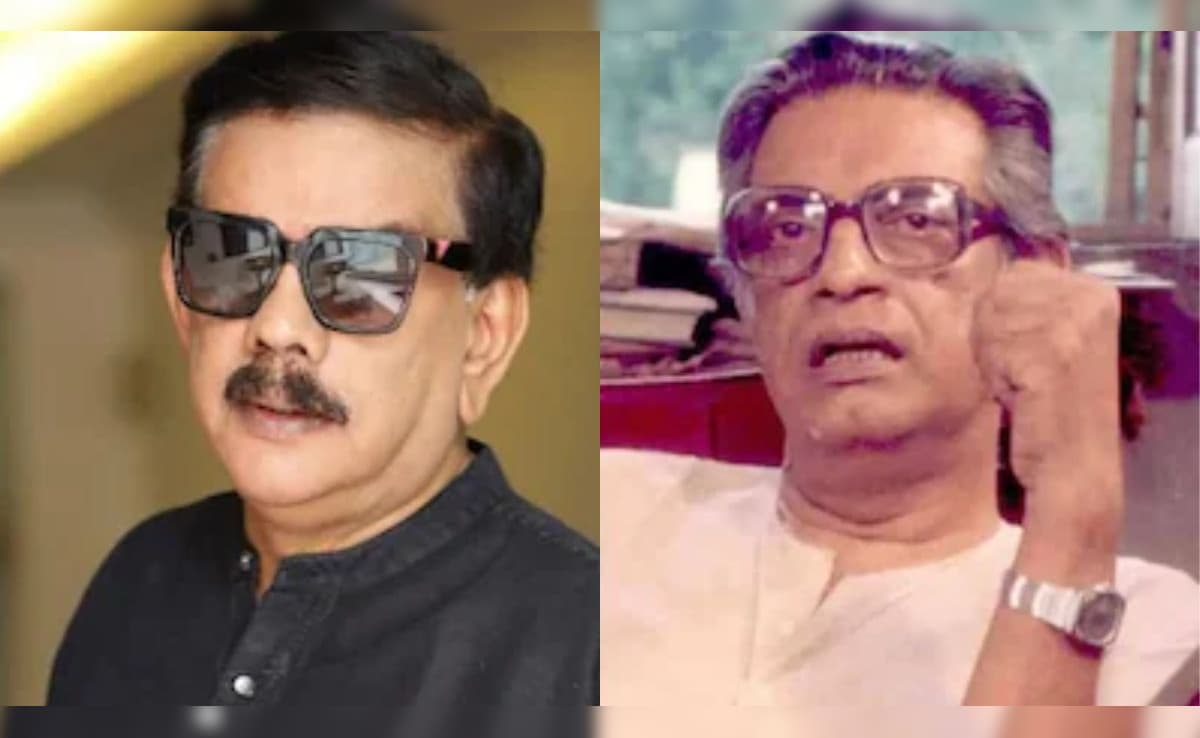
'Nothing To Do With Satyajit Ray': Priyadarshan Rejects Plagiarism Charge On Bhooth Bangla Song
📰 RSS Feed Image
📖 Table of Contents
🎬 Latest Development: 'Nothing To Do With Satyajit Ray': Priyadarshan Rejects Plagiarism Charge On Bhooth Bangla Song
Priyadarshan Denies Ray Plagiarism
📋 What You Need to Know
Veteran filmmaker Priyadarshan, known for his distinctive cinematic style and diverse filmography, has once again found himself at the center of a creative controversy. The director's upcoming project, *Bhooth Bangla*, has drawn a plagiarism charge concerning one of its songs, with critics suggesting a resemblance to the works of the legendary Satyajit Ray. However, Priyadarshan has vehemently rejected these accusations, firmly stating, "Nothing to do with Satyajit Ray." His response highlights the delicate balance between artistic inspiration and originality in filmmaking. Furthermore, his additional comment, "I have huge respect for him because he's one of the masters from whom I learned cinema," underscores his admiration for Ray while simultaneously asserting his own creative independence and dispelling any notion of direct imitation. This incident reignites the perennial debate on originality, influence, and the perception of artistic homage versus outright copying in the Indian film industry.
🎭 Complete Story
Priyadarshan, a director celebrated for his versatility in handling genres from slapstick comedy to intense thrillers, has recently addressed significant plagiarism accusations leveled against a song from his upcoming film, *Bhooth Bangla*. The charges suggested that elements of the song bore a striking resemblance to the distinctive style or compositions found in the works of cinematic titan Satyajit Ray. Such an accusation, especially when involving a figure as revered as Ray, immediately sparks intense debate within the film fraternity and among cinephiles. Priyadarshan, however, was unequivocal in his denial, stating with conviction, "Nothing to do with Satyajit Ray." This direct and firm rebuttal indicates his confidence in the originality of his creation and a clear demarcation from any perceived influence. He further elaborated on his stance by expressing profound admiration for Ray, acknowledging him as a personal source of cinematic learning: "I have huge respect for him because he's one of the masters from whom I learned cinema." This dual statement is crucial; it allows Priyadarshan to dismiss the plagiarism charge while simultaneously paying homage to a director he deeply respects. By articulating his reverence, he subtly suggests that while Ray's genius may have informed his foundational understanding of cinema, it does not translate into direct copying. The director's robust defense aims to clarify that inspiration and learning from masters are distinct from uncredited appropriation, asserting *Bhooth Bangla*'s song stands on its own creative merit, free from direct imitation of Ray's iconic compositions or thematic elements.
📊 Industry Analysis
Plagiarism accusations are a recurring and contentious issue in the global film industry, often intensified in regions like India where artistic influences can be vast and interpretations subjective. The case of Priyadarshan's *Bhooth Bangla* song and the alleged link to Satyajit Ray highlights the complex interplay between inspiration, homage, and outright copying. Directors and composers frequently draw from a rich tapestry of cultural and artistic heritage, making the line between influence and infringement notoriously blurry. For a filmmaker of Priyadarshan's stature, being accused of plagiarizing from a legend like Satyajit Ray carries significant weight, potentially impacting reputation and public perception. The industry often grapples with how to define and prove originality, especially when thematic similarities or musical structures might coincidentally overlap. This incident underscores the need for greater clarity in intellectual property laws within creative fields and encourages open dialogue about source material. The challenge lies in respecting the intellectual property of creators while not stifling the creative process which inherently involves learning from and building upon past works. The public discourse around such accusations often serves as a barometer for ethical standards in filmmaking and the deep respect accorded to cinematic pioneers.
💬 Expert Commentary
Copyright lawyer and entertainment law specialist, Mr. Rohan Mehta, offered his legal perspective: "Priyadarshan's strong denial, coupled with his reverence for Satyajit Ray, is a common strategy in plagiarism defenses. Legally, 'inspiration' or 'learning from a master' is distinct from 'plagiarism.' Plagiarism requires substantial similarity, often in specific elements that are not generic or commonplace. The challenge in music and film is that mood, genre tropes, or even specific melodic or narrative structures can sometimes appear similar without being a direct copy. Priyadarshan's acknowledgment of Ray as a teacher is an important nuance; it shows respect for influence without admitting infringement. For a successful plagiarism claim, one would typically need to demonstrate access to the original work and a substantial similarity that goes beyond mere coincidence or shared cultural context. Unless there are direct, identifiable, and uncredited borrowings of unique creative elements, a claim of learning or being inspired usually holds up in court, especially when the accused is a respected filmmaker with their own distinct style."
🔗 Related Context
Accusations of plagiarism are not uncommon in Indian cinema, spanning various aspects from storylines and dialogues to music and visual aesthetics. Filmmakers like Anurag Kashyap, often praised for originality, have also faced such charges at various points in their careers. Internationally, Hollywood has seen numerous high-profile plagiarism lawsuits, such as the famous case against Led Zeppelin for "Stairway to Heaven," or accusations against films for derivative plots. These incidents highlight the universal challenge of establishing originality in creative works. The line between being inspired by a predecessor and outright copying remains a constant point of contention. Oftentimes, these debates serve to educate the public about intellectual property rights and the importance of crediting sources, even as they fuel intense discussions about artistic integrity and the subjective nature of creative expression. Priyadarshan's situation thus fits into a broader, ongoing dialogue about how artists draw from the past while striving for innovation.
🔍 Explore More Bollywood Content
Stay connected with the latest happenings in Hindi cinema:
Exclusive stories about your favorite Bollywood stars
Latest box office numbers and film business analysis
Get the latest breaking news and updates from Hindi cinema
💡 Visit Hindi Cinema News for more.
🎯 Key Takeaways
Priyadarshan's firm rejection of plagiarism charges concerning a song from *Bhooth Bangla*, particularly in relation to Satyajit Ray, underscores the persistent and often complex debates surrounding originality and influence in cinema. His categorical denial, coupled with a heartfelt tribute to Ray as a cinematic mentor, carefully navigates the fine line between respectful inspiration and uncredited appropriation. This incident reignites crucial discussions within the industry about intellectual property, the subjective nature of artistic similarity, and the high regard held for legends like Ray. Ultimately, Priyadarshan's stance reaffirms his commitment to his unique creative vision while acknowledging the foundational learning derived from masters. As *Bhooth Bangla* approaches its release, this controversy adds another layer to its narrative, reminding audiences and creators alike about the delicate balance required to innovate while honoring the rich legacy of cinematic artistry.
❓ Frequently Asked Questions
Q: When did this news break?
A: This story was reported today with comprehensive coverage as details emerge.
Q: What makes this significant?
A: This development represents an important moment in the Hindi film industry.
📢 Stay Updated
Don't miss breaking entertainment news! Follow us for real-time updates.
What's your take? Share your thoughts in the comments!
