
Nora Fatehi's Body Roll & Love, Death + Robots Comparison
🚨 Breaking Bollywood News Alert! Get the complete inside story. Updated May 12, 2026.
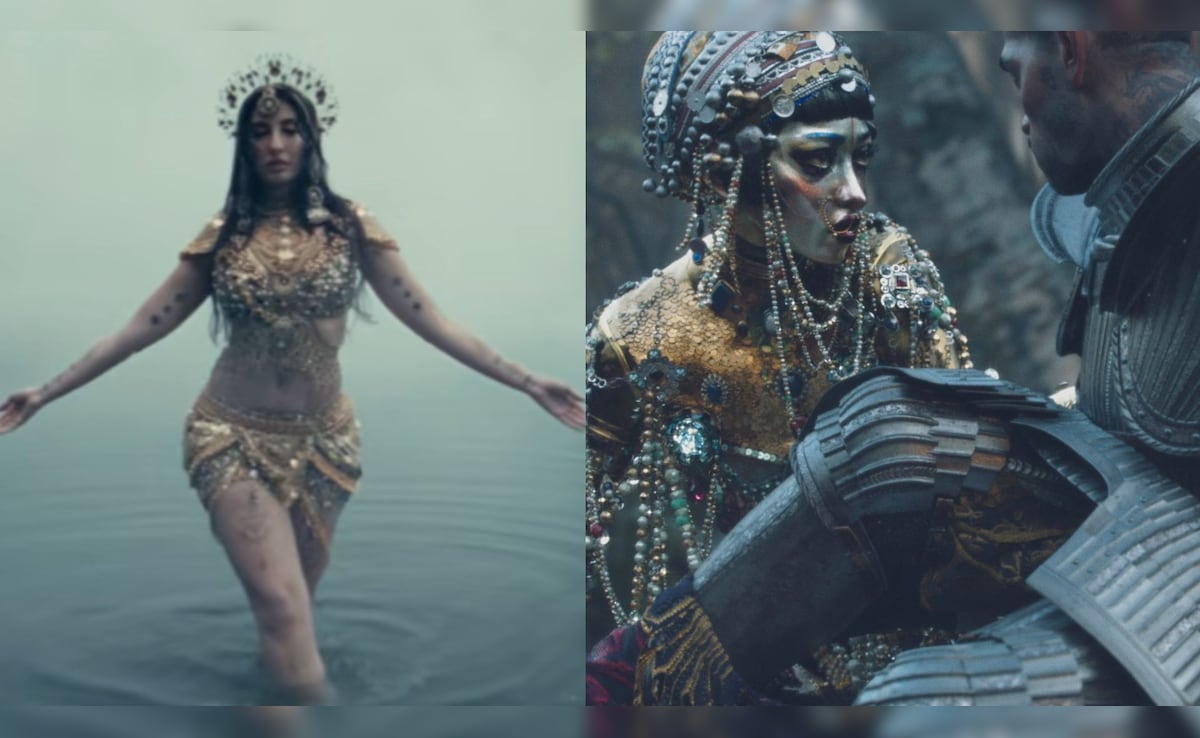
Nora Fatehi Reacts After Internet Compares Body Roll Music Video To Love, Death + Robots Episode Jibaro
📰 RSS Feed Image
📖 Table of Contents
🎬 Latest Development: Nora Fatehi Addresses 'Body Roll' Music Video's Striking Resemblance to 'Jibaro'
Nora Fatehi Responds To Comparisons
📋 What You Need to Know
Nora Fatehi's latest music video, "Body Roll," has rapidly become a talking point across the internet since its release just a few days ago, quickly surpassing 2 million views on YouTube. While the video showcases Fatehi's signature mesmerizing dance moves and vibrant aesthetics, it has also sparked a significant online debate. Viewers have been quick to draw striking comparisons between the visual style and thematic elements of "Body Roll" and "Jibaro," a critically acclaimed episode from Netflix's animated anthology series, *Love, Death + Robots*. This unexpected juxtaposition has led to widespread discussion, prompting Nora Fatehi herself to react to the viral comparisons, addressing the creative inspirations and the intense scrutiny her work often receives in the digital age.
🎭 Complete Story
Nora Fatehi’s "Body Roll" music video, a vibrant display of her dance prowess and stylistic flair, was intended to be a standalone artistic statement. However, almost immediately after its debut, social media platforms erupted with discussions highlighting uncanny resemblances to "Jibaro," the ninth episode of *Love, Death + Robots* Volume 3. "Jibaro" is celebrated for its unique, abstract animation, intricate character design, and a narrative that explores themes of allure, exploitation, and destruction through the lens of a siren and a deaf knight. The visuals in "Jibaro" are particularly distinctive, featuring characters adorned with jewels and gold, intricate textures, and a surreal, almost aquatic environment.
📊 Industry Analysis
The phenomenon of online content comparison, particularly when it involves a major music video and a critically acclaimed animated short, reflects several key trends in the entertainment industry. Firstly, it highlights the increasingly discerning and well-informed nature of global audiences. With easy access to vast libraries of content, viewers are quick to identify visual motifs, narrative structures, and aesthetic choices that might echo existing works. This creates both challenges and opportunities for creators: challenges in maintaining originality and opportunities for cross-media dialogue and appreciation.
💬 Expert Commentary
"In today's hyper-connected digital landscape, every piece of visual content is subject to immediate and widespread scrutiny," states Anya Sharma, a media studies professor specializing in visual culture. "When a music video by a popular artist like Nora Fatehi shows even a tangential resemblance to a cult classic like 'Jibaro,' the internet acts as a collective critical eye. This isn't necessarily about outright plagiarism, but rather about the cultural memory of the audience. Viewers are becoming incredibly sophisticated at recognizing visual tropes and stylistic influences. For creators, it means an even greater imperative to innovate and clearly articulate their inspirations, or risk being caught in a comparison that might overshadow their original intent."
🔗 Related Context
The comparison of Nora Fatehi's "Body Roll" to "Jibaro" is not an isolated incident in the world of entertainment. Historically, artists across various mediums have faced scrutiny over perceived similarities in their work. From musical compositions to film plots and visual aesthetics, the line between homage, inspiration, and imitation is frequently debated. Pop artists like Lady Gaga have often been compared to Madonna, while numerous film directors have been accused of borrowing heavily from predecessors. More recently, in the digital age, viral content and memes frequently highlight these resemblances, as seen with controversies surrounding various fashion designs or TikTok trends that closely mirror existing works. This continuous cycle of creation, consumption, and comparison reflects the interconnectedness of global artistic expression, where every new piece of art is inherently in dialogue with what came before it, often leading to both celebration and intense critical examination from an increasingly vigilant online audience.
🔍 Explore More Bollywood Content
Stay connected with the latest happenings in Hindi cinema:
Exclusive stories about your favorite Bollywood stars
Comprehensive coverage of the Indian film industry
Inside stories and exclusive Bollywood entertainment news
💡 Visit Hindi Cinema News for more.
🎯 Key Takeaways
Nora Fatehi's "Body Roll" music video has undoubtedly achieved viral status, not just for its engaging performance but for the unexpected and intense online comparisons to the animated masterpiece "Jibaro." While the debate over creative influence versus originality continues to rage across social media, Fatehi's reaction and the rapid viewership of "Body Roll" underscore the dynamic interplay between artists, audiences, and the digital platforms that mediate their interactions. This incident serves as a potent reminder of the discerning eye of today's viewers and the complex challenges artists face in navigating inspiration, creation, and public perception in a world saturated with content. Ultimately, "Body Roll" has sparked a fascinating cultural conversation, cementing its place as more than just a music video, but a case study in contemporary digital artistry and critique.
❓ Frequently Asked Questions
Q: When did this news break?
A: This story was reported today with comprehensive coverage as details emerge.
Q: What makes this significant?
A: This development represents an important moment in the Hindi film industry.
📢 Stay Updated
Don't miss breaking entertainment news! Follow us for real-time updates.
What's your take? Share your thoughts in the comments!
