
Pankaj Tripathi on English Bias, Poverty Assumptions
🚨 Breaking Bollywood News Alert! Get the complete inside story. Updated May 27, 2026.
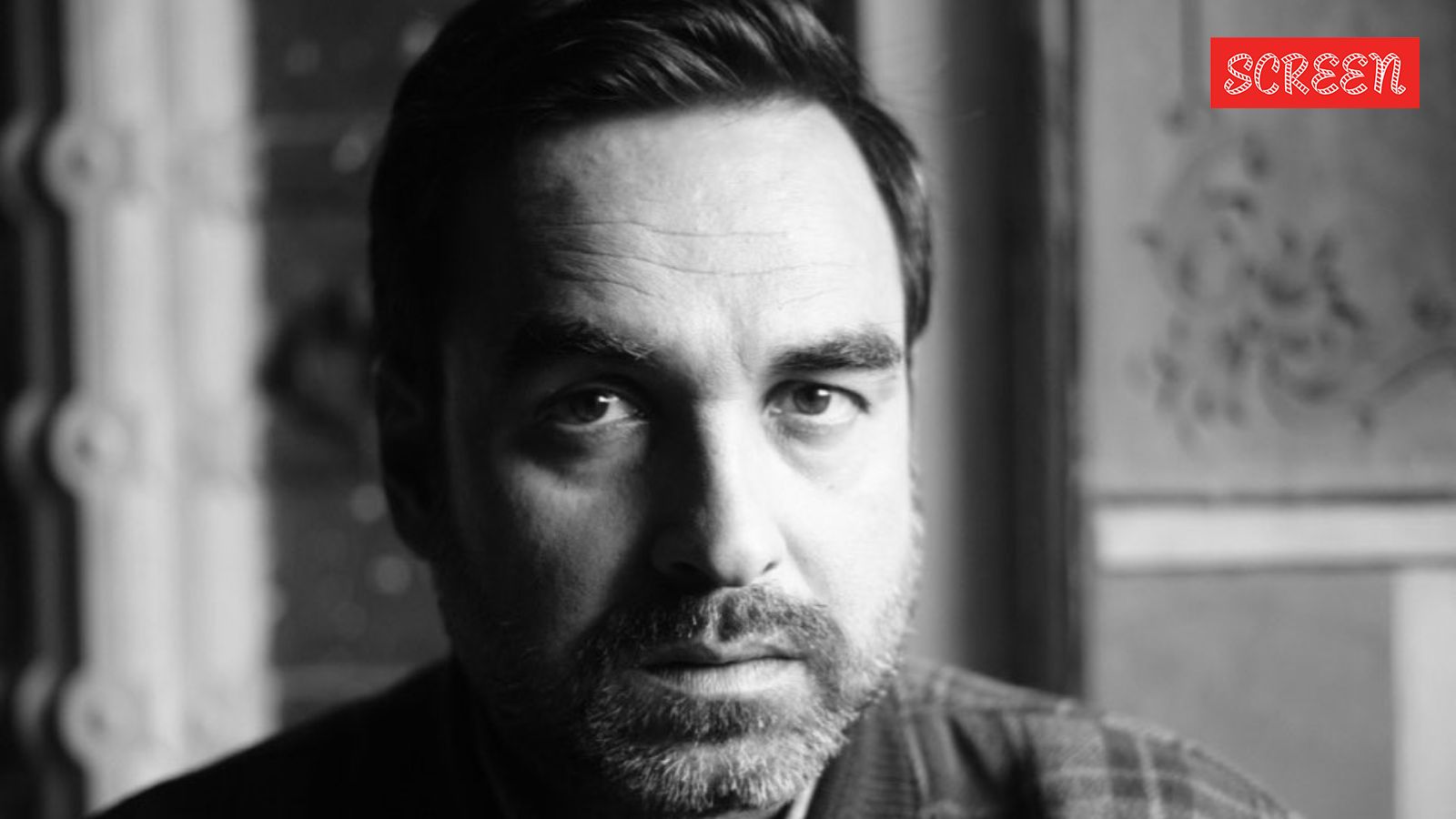
People judged me for not speaking English, assumed I came from poverty: Pankaj Tripathi
📰 RSS Feed Image
📖 Table of Contents
🎬 Latest Development: "People Judged Me for Not Speaking English": Pankaj Tripathi Reveals Classism and Language Bias in His Journey
Tripathi challenges language, poverty biases.
📋 What You Need to Know
Pankaj Tripathi, one of India's most respected and versatile actors, recently shared a poignant revelation about the early struggles in his career. He disclosed how people frequently judged him for his inability to speak English fluently, often leading to assumptions that he originated from poverty. This candid confession sheds light on the deep-seated classism and linguistic prejudice prevalent in various sectors of Indian society, including the entertainment industry. Tripathi's journey from a humble background in rural Bihar to a celebrated figure in Bollywood is an inspiring testament to talent, perseverance, and authenticity, challenging preconceived notions based on language proficiency or socio-economic status. His story resonates with countless individuals who face similar biases in their own professional and personal lives.
🎭 Complete Story
Pankaj Tripathi's rise to stardom is a narrative of grit and exceptional talent. However, as he recently revealed, this path was not without its unique challenges, particularly concerning societal judgments based on language and perceived economic status. Hailing from Belsand, a small village in Gopalganj, Bihar, Tripathi's initial encounters in the bustling, often elitist, world of Indian cinema were met with a specific kind of prejudice. He recounted instances where his lack of fluent English conversation skills immediately led people to assume he was from a poverty-stricken background. This assumption, he implied, often overshadowed his acting capabilities and intellectual prowess, creating an invisible barrier in networking and initial impressions. Despite holding a degree from the prestigious National School of Drama (NSD), the bias against non-English speakers, particularly those from rural areas, was palpable. Tripathi's journey involved not just honing his craft but also navigating these subtle yet pervasive forms of discrimination. He had to work harder to prove his worth, allowing his raw talent and authenticity to speak louder than any linguistic expectation. His eventual success, marked by critically acclaimed performances in films like "Gangs of Wasseypur," "Newton," and web series like "Mirzapur," has not only cemented his place as an acting powerhouse but also served as a powerful rebuke to those who judged him based on superficial markers.
📊 Industry Analysis
The Indian film industry, particularly Bollywood, has historically been perceived as an exclusive club, often favoring individuals from privileged backgrounds or those with connections. Pankaj Tripathi's experience exposes the unspoken class and language barriers that aspiring actors from non-metropolitan or non-English-speaking backgrounds frequently encounter. English proficiency is often erroneously equated with intelligence, sophistication, or even talent, creating an unfair advantage for those who speak it fluently. This linguistic prejudice can hinder opportunities for talented individuals who excel in regional languages or have not had access to English-medium education. However, Tripathi's success, alongside a wave of other actors from diverse linguistic and regional backgrounds, signifies a gradual but significant shift in the industry. There's a growing appreciation for authenticity, rooted performances, and the rich cultural tapestry that diverse voices bring to storytelling, slowly dismantling the archaic biases that once dominated.
💬 Expert Commentary
Dr. Alok Kumar, a sociologist specializing in social stratification and language studies in India, commented on Tripathi's revelation: "Pankaj Tripathi's experience is a stark illustration of linguistic prejudice and classism deeply embedded in Indian society, especially in urban, elite spaces like the film industry. English proficiency is often a gatekeeper, mistakenly seen as a proxy for intelligence or capability, rather than merely a skill. His journey is inspiring because it challenges this bias, demonstrating that talent, dedication, and authenticity ultimately transcend these artificial barriers. It highlights the need for a more inclusive cultural landscape that values diverse linguistic and socio-economic backgrounds."
🔗 Related Context
Pankaj Tripathi is not alone in his struggles. Many actors from non-English speaking backgrounds, particularly those from smaller towns and villages, have shared similar anecdotes of facing initial dismissals or being typecast due to their perceived lack of "urbanity" or English fluency. Nawazuddin Siddiqui, Manoj Bajpayee, and Irrfan Khan (late) are just a few examples of actors who, despite immense talent and training, had to overcome significant hurdles and stereotypes related to their background and linguistic proficiency before achieving widespread recognition. Their collective success stories are gradually reshaping the narrative, proving that diverse linguistic and cultural backgrounds are assets, enriching the storytelling landscape of Indian cinema and fostering a more authentic representation of the country's vast population.
🔍 Explore More Bollywood Content
Stay connected with the latest happenings in Hindi cinema:
Latest box office numbers and film business analysis
Get the latest breaking news and updates from Hindi cinema
Expert reviews and ratings of the latest Hindi films
💡 Visit Hindi Cinema News for more.
🎯 Key Takeaways
Pankaj Tripathi's candid revelation about facing judgment for not speaking English and the associated assumptions of poverty is a powerful reminder of the pervasive biases that exist in society and the entertainment industry. His journey is a testament to the fact that true talent and dedication can indeed overcome systemic barriers rooted in classism and linguistic prejudice. As Tripathi continues to captivate audiences with his authentic performances, his story serves as an inspiration, advocating for a more inclusive and equitable environment where individuals are judged by their merit and character, not by their language proficiency or socio-economic background. His voice adds to a growing chorus demanding a more representative and less prejudiced Indian cinema, reflecting the true diversity of its people.
❓ Frequently Asked Questions
Q: When did this news break?
A: This story was reported today with comprehensive coverage as details emerge.
Q: What makes this significant?
A: This development represents an important moment in the Hindi film industry.
📢 Stay Updated
Don't miss breaking entertainment news! Follow us for real-time updates.
What's your take? Share your thoughts in the comments!
