
Imtiaz Ali on Hindu College Admission & Muslim Identity
🚨 Breaking Bollywood News Alert! Get the complete inside story. Updated June 13, 2026.
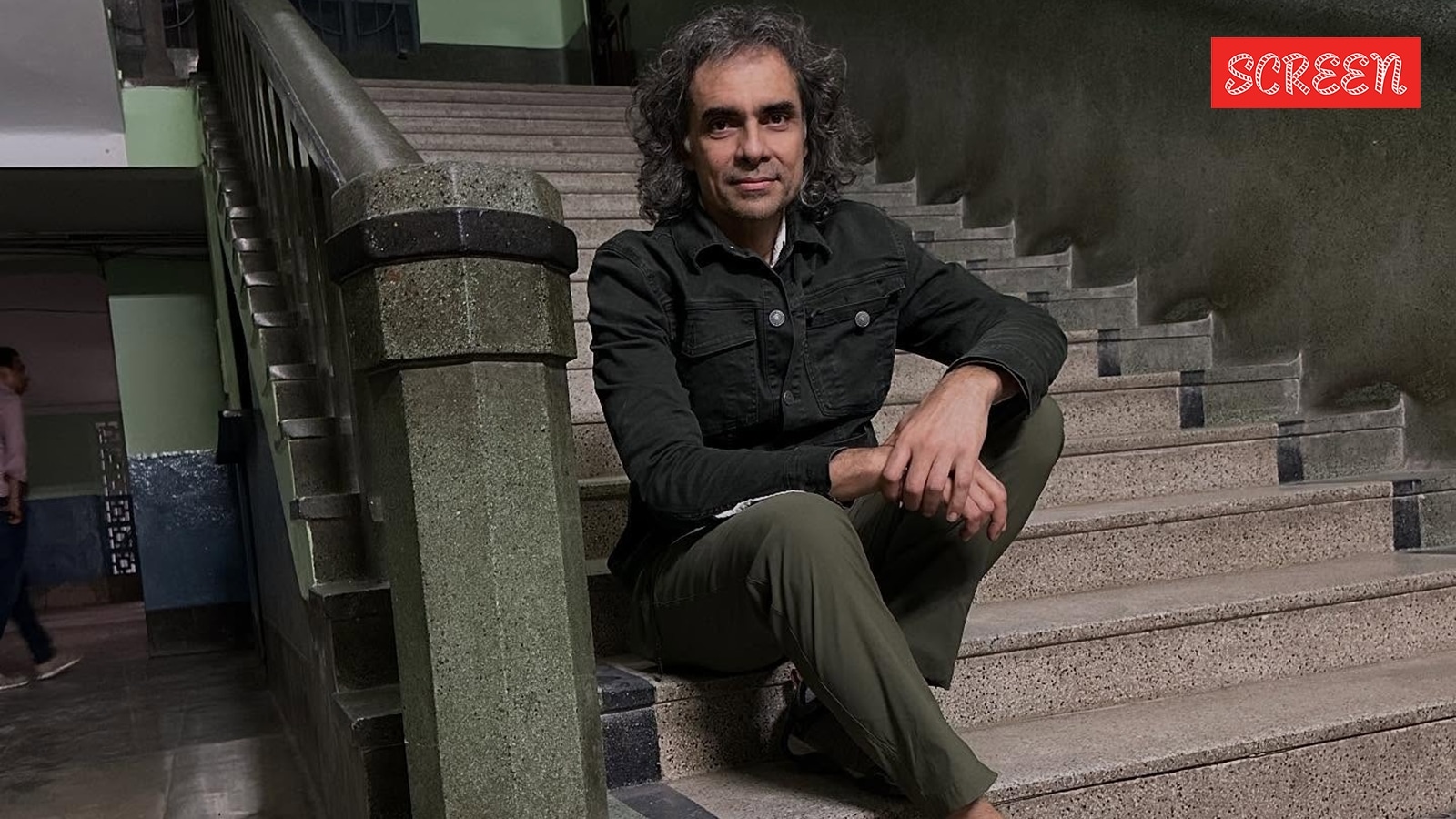
Imtiaz Ali was ‘jokingly’ asked how he got admission in Hindu College as a Muslim
📰 RSS Feed Image
📖 Table of Contents
🎬 Latest Development: Imtiaz Ali Recalls 'Jokingly' Being Asked About Muslim Identity in Hindu College Admission
Identity, education, and subtle biases.
📋 What You Need to Know
Renowned filmmaker Imtiaz Ali recently shed light on a subtle yet significant personal experience from his youth, revealing how his religious identity became a point of discussion during his admission to Delhi University's prestigious Hindu College. Ali recounted being "jokingly" asked by a professor how he, as a Muslim, managed to secure admission to the institution. This seemingly innocuous query, as Ali's revelation suggests, highlights deeper societal undercurrents regarding identity, merit, and the perception of minority communities in supposedly secular spaces. His anecdote has sparked conversations about the often-unseen biases that can persist even in elite educational environments, prompting introspection into how institutions and individuals perpetuate or challenge such narratives. This incident, shared decades later, underscores the lasting impact of such microaggressions on individuals and the broader dialogue around inclusivity.
🎭 Complete Story
Imtiaz Ali, celebrated for his nuanced storytelling in films like "Jab We Met" and "Rockstar," recounted the incident during a recent interaction, bringing to the fore a personal experience that resonates with many. He recalled the moment a professor at Hindu College, upon reviewing his admission, commented on his Muslim identity in relation to the college's name. Ali described the interaction as being framed within a jocular tone, implying it might have been intended as a lighthearted remark. However, the underlying implication – that his religious background was somehow noteworthy or unexpected for a student at Hindu College – speaks volumes about the societal norms and preconceived notions that often operate beneath the surface of everyday interactions. Ali's successful admission was purely based on merit, aligning with the college's secular principles and the university's admission policies. Yet, the professor's question, regardless of its intent, introduced a layer of religious identity into a process that should ideally be purely meritocratic. This experience, while seemingly minor in the grand scheme of his successful career, points to the subtle ways in which individuals from minority communities can be made aware of their 'otherness' even in environments designed to be inclusive. It also highlights the responsibility of educational institutions to foster an environment where every student feels they belong, irrespective of their background, without their identity becoming a subject of 'jokes' or unwarranted scrutiny. The incident serves as a poignant reminder that while policies may be secular, individual perceptions and casual remarks can inadvertently perpetuate stereotypes or create moments of discomfort.
📊 Industry Analysis
Imtiaz Ali's experience, though personal, resonates within a broader context of how identity and belonging are perceived and negotiated in Indian society, particularly within public institutions. The entertainment industry, of which Ali is a prominent figure, often mirrors and influences these societal dynamics. While Bollywood itself strives for a secular and inclusive image, the personal experiences of its stars, when shared, offer a powerful lens into the realities outside the silver screen. This incident underscores the persistent challenge of fostering truly inclusive environments where an individual's religious or social identity is not a factor in their acceptance or perception. Elite educational institutions, often seen as bastions of progressive thought and meritocracy, are not immune to these subtle biases. The "Hindu" in Hindu College, while historical and not indicative of religious exclusivity, can sometimes create an unconscious framework for such remarks. The increasing public discourse around diversity, equity, and inclusion (DEI) in India makes Ali's revelation particularly timely. It prompts a re-evaluation of how seemingly innocuous comments can impact individuals and how institutions can proactively train their staff to be more sensitive and aware. The incident also highlights the role of public figures in initiating vital conversations, using their platforms to bring attention to experiences that might otherwise remain unspoken.
💬 Expert Commentary
"Imtiaz Ali's anecdote is a classic example of a microaggression," explains Dr. Aisha Khan, a sociologist specializing in identity politics. "It's a subtle, often unintentional, expression of a derogatory attitude toward a marginalized group. While the person making the comment might perceive it as harmless or even a joke, it signals to the recipient that their presence is unusual or requires explanation due to their identity." Education policy expert, Professor Rohan Sharma, adds, "Our institutions, especially those that are publicly funded, are mandated to be secular. Any comment that questions a student's admission based on their religious identity, even if framed as a joke, undermines the spirit of meritocracy and inclusivity. It's crucial for educational bodies to conduct regular sensitivity training for faculty and staff to ensure that such biases, subtle or overt, are systematically addressed and eradicated." Cultural critic Ms. Priya Anand further notes, "When public figures like Imtiaz Ali share such experiences, it normalizes these conversations and encourages others who may have faced similar situations to speak up. It moves the discussion from individual grievance to systemic issue, prompting a collective introspection on how we define and practice inclusivity in our daily lives and institutions."
🔗 Related Context
The discussion around religious identity and admission to educational institutions is not new in India. Debates surrounding affirmative action, minority institutions, and the interpretation of secularism in educational policies have been ongoing for decades. While the Hindu College incident is specific to a personal experience, it touches upon broader themes such as the 'othering' of minority communities, the impact of institutional names, and the subtle ways in which biases manifest. Historically, institutions like Aligarh Muslim University or Banaras Hindu University, despite their names, are open to all communities, underscoring India's secular fabric. However, the perception and informal interactions within these spaces can sometimes diverge from the stated ethos. Similar incidents have been reported by individuals from various minority backgrounds who often face questions or remarks that highlight their perceived difference in mainstream spaces. These experiences collectively underscore the ongoing need for greater awareness and sensitivity training across all sectors, especially within educational and public service institutions, to truly embody the principles of equality and non-discrimination.
🔍 Explore More Bollywood Content
Stay connected with the latest happenings in Hindi cinema:
Breaking news from the world of Hindi cinema
Comprehensive coverage of the Indian film industry
First look at movies coming soon to theaters
💡 Visit Hindi Cinema News for more.
🎯 Key Takeaways
Imtiaz Ali's recollection of being "jokingly" questioned about his Muslim identity during his Hindu College admission serves as a powerful reminder that while policies may be inclusive, the lived experiences of individuals can sometimes tell a different story. This seemingly minor incident decades ago highlights the pervasive nature of subtle biases and microaggressions that individuals from minority communities often encounter. It underscores the ongoing need for introspection, not just within educational institutions but across society, to foster environments where identity is celebrated, not questioned, and where merit alone is the sole determinant of opportunity. Ali's willingness to share this personal memory enriches the public discourse on inclusivity, urging us to be more mindful of our interactions and to actively work towards creating spaces that are genuinely welcoming and equitable for all. His story prompts a vital conversation about the importance of sensitivity and the continuous effort required to uphold the ideals of secularism and meritocracy in our diverse nation.
❓ Frequently Asked Questions
Q: When did this news break?
A: This story was reported today with comprehensive coverage as details emerge.
Q: What makes this significant?
A: This development represents an important moment in the Hindi film industry.
📢 Stay Updated
Don't miss breaking entertainment news! Follow us for real-time updates.
What's your take? Share your thoughts in the comments!
