
Jacob Elordi "Don't Touch Me Bro" Fan Selfie Reaction
🚨 Breaking Bollywood News Alert! Get the complete inside story. Updated June 11, 2026.
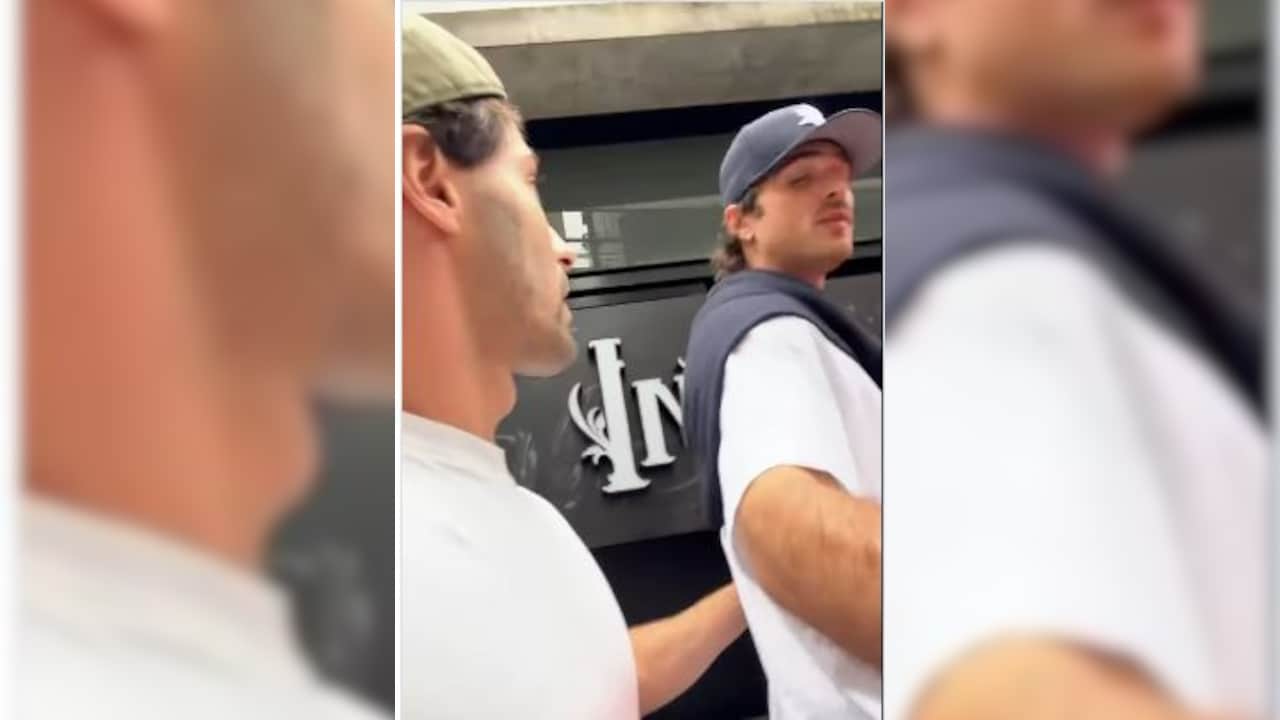
"Don’t Touch Me, Bro": Jacob Elordi’s Reaction To Fan Trying To Click A Selfie Leaves Internet Divided
📰 RSS Feed Image
📖 Table of Contents
🎬 Latest Development: "Don't Touch Me, Bro": Jacob Elordi's Viral Fan Encounter in Japan Divides the Internet
Elordi's fan interaction divides internet.
📋 What You Need to Know
Jacob Elordi, the Australian actor known for his roles in 'Euphoria' and 'Saltburn,' has found himself at the center of a viral social media storm after a terse interaction with a fan in Japan. The incident, captured on video, shows Elordi sharply responding with "Don't touch me, bro" to a fan attempting to get a selfie who reportedly touched him. This brief exchange has ignited a fierce debate across the internet, with opinions sharply divided between those defending Elordi's right to personal space and those criticizing his perceived rudeness towards a fan. The incident underscores the complex dynamics of celebrity-fan interactions in the age of ubiquitous cameras and social media.
🎭 Complete Story
The viral video, reportedly filmed in Japan, depicts Jacob Elordi walking when a fan approaches him, seemingly attempting to take a selfie. During the interaction, the fan apparently makes physical contact with Elordi, prompting his swift and firm response: "Don't touch me, bro." The clip, though short, quickly spread across platforms like TikTok, X (formerly Twitter), and Instagram, becoming a hot topic of discussion. Supporters of Elordi argue that celebrities, despite their public status, are entitled to personal space and that unwanted physical contact is a violation. They point to the constant scrutiny and lack of privacy celebrities endure, suggesting his reaction was a natural defense mechanism against an intrusion. Many resonated with his sentiment, emphasizing that fans should respect boundaries and ask for permission before touching or getting too close. Conversely, critics perceived Elordi's response as rude, ungracious, and an overreaction towards someone who was likely just excited and trying to engage. They argued that celebrities owe a certain level of politeness to their fans, who contribute to their success, and that a simpler, gentler request might have sufficed. The debate also touched upon cultural differences in personal space and fan etiquette, especially given the incident occurred in Japan, known for its generally respectful public interactions. The incident highlights the difficult tightrope celebrities walk, constantly balancing fan engagement with their personal comfort and safety in an always-on, always-filming world.
📊 Industry Analysis
The digital age has fundamentally altered the landscape of celebrity-fan interactions, creating both unprecedented access and new challenges. With smartphones equipped with high-quality cameras, every public encounter a celebrity has can instantly become a viral moment, often without context or nuance. This "always-on" scrutiny places immense pressure on public figures to maintain a perfect demeanor, even when their personal space or privacy is compromised. The Jacob Elordi incident is a prime example of how quickly a brief, seemingly minor interaction can escalate into a global debate, shaping public perception. PR experts constantly advise celebrities on navigating these encounters, but the spontaneity of fan interactions makes them inherently unpredictable. The internet's instantaneous and often unforgiving nature means that a single misstep or a perceived slight can lead to widespread criticism, affecting a celebrity's brand and public image. This situation also brings to light the evolving etiquette of public encounters, where the lines between admiration and intrusion are increasingly blurred, leading to a constant re-evaluation of personal boundaries in the public sphere.
💬 Expert Commentary
"Celebrities are human beings, and they have a right to personal space and safety, just like anyone else," states celebrity psychologist Dr. Anya Sharma. "Unwanted physical contact can be startling and uncomfortable, regardless of fame. Elordi's reaction, while perhaps blunt, is an understandable response to a perceived boundary violation, especially when constantly under public scrutiny." PR consultant Mark Davis offers a different perspective: "While his right to personal space is undeniable, the delivery can sometimes impact public perception. In the age of viral videos, every interaction is amplified. A more measured, 'Please don't touch me' might have achieved the same result without sparking such a divisive debate." Social media strategist, Lena Gupta, adds, "This incident perfectly illustrates the double-edged sword of celebrity. Fans feel a sense of ownership, but celebrities also need to protect themselves. The internet's division reflects a broader societal discussion about boundaries in a hyper-connected world where everyone feels entitled to a piece of a public figure."
🔗 Related Context
Jacob Elordi's viral moment is not an isolated incident. Many celebrities have had awkward or contentious encounters with fans over selfies and personal space. Ariana Grande famously discussed how she found it challenging when fans don't respect boundaries. Billie Eilish has also spoken out about feeling uncomfortable with fans touching her. In 2017, Justin Bieber had a similar viral moment when he told a fan, "You touching my face, I don’t want you touching my face." These incidents collectively underscore the ongoing tension between a celebrity's need for personal boundaries and a fan's desire for connection, often fueled by the belief that public figures are always accessible. The debate around these encounters often revolves around the perceived "entitlement" of both fans and celebrities, creating a complex social dialogue.
🔍 Explore More Bollywood Content
Stay connected with the latest happenings in Hindi cinema:
Comprehensive coverage of the Indian film industry
Breaking news from the world of Hindi cinema
Inside stories and exclusive Bollywood entertainment news
💡 Visit Hindi Cinema News for more.
🎯 Key Takeaways
Jacob Elordi's "Don't touch me, bro" moment in Japan has undeniably ignited a significant debate across the internet, highlighting the perennial tension between celebrity privacy and fan enthusiasm. While opinions remain divided, the incident serves as a crucial reminder of the importance of respecting personal boundaries, even for public figures. It underscores the challenges celebrities face in navigating constant public scrutiny and unexpected interactions, especially when physical contact is involved. Ultimately, this viral exchange prompts a broader conversation about evolving fan etiquette, the impact of social media on celebrity interactions, and the universal right to personal space. Regardless of individual stances, the incident reinforces the need for mutual respect and understanding between fans and the celebrities they admire in an increasingly connected, yet often disconnected, world.
❓ Frequently Asked Questions
Q: When did this news break?
A: This story was reported today with comprehensive coverage as details emerge.
Q: What makes this significant?
A: This development represents an important moment in the Hindi film industry.
📢 Stay Updated
Don't miss breaking entertainment news! Follow us for real-time updates.
What's your take? Share your thoughts in the comments!
