
Lagaan & Gadar 25 Years On: Society's Violence Evolution
🚨 Breaking Bollywood News Alert! Get the complete inside story. Updated June 15, 2026.
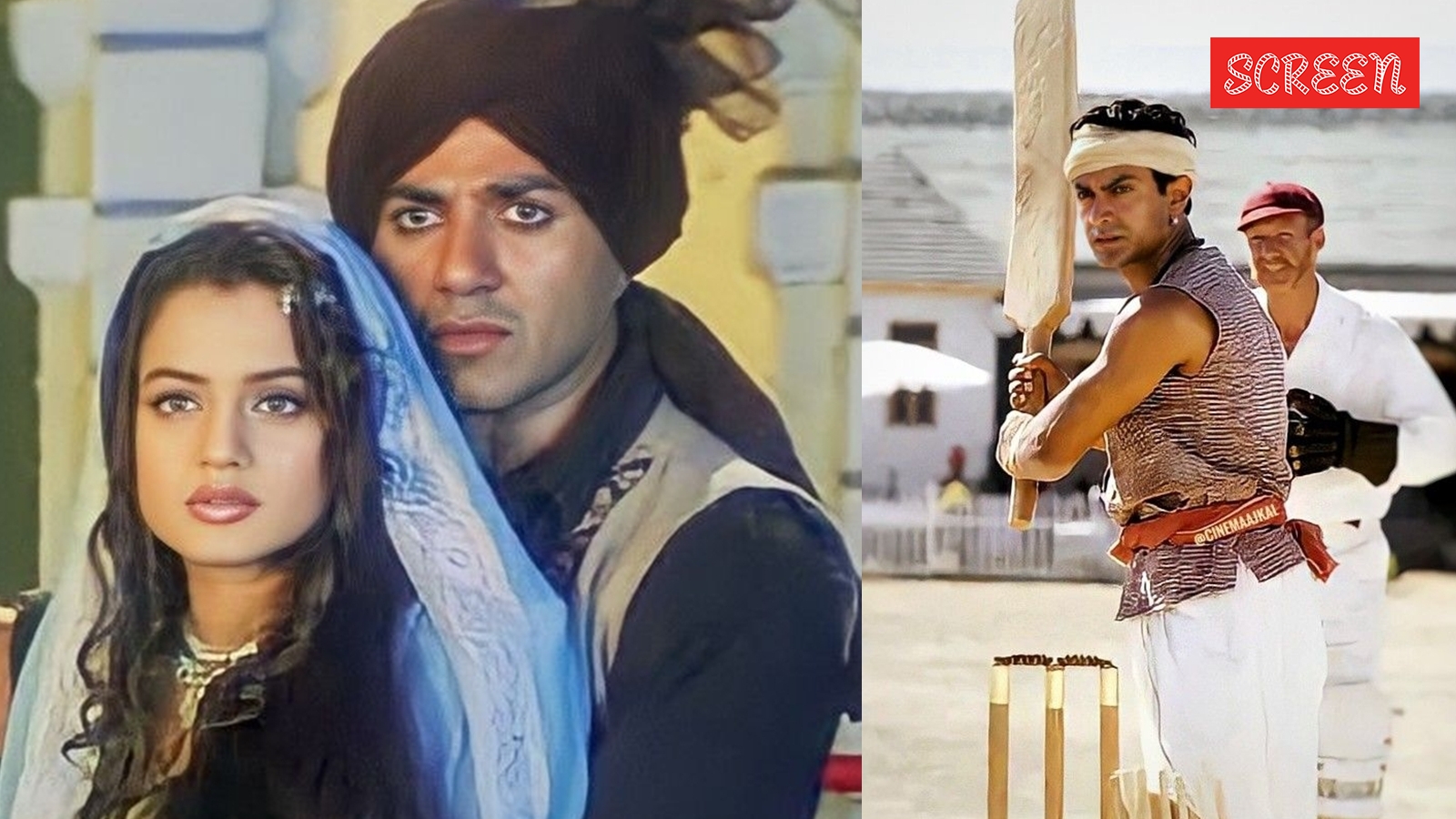
Lagaan and Gadar Ek Prem Katha: 25 years later, have we become more violent?
📰 RSS Feed Image
📖 Table of Contents
🎬 Latest Development: Lagaan and Gadar: Two Decades Later, Has India's Relationship with Violence Matured or Intensified?
Reflecting on India's cinematic spirit.
📋 What You Need to Know
In 2001, Indian cinema witnessed a groundbreaking clash of titans: Ashutosh Gowariker's *Lagaan* and Anil Sharma's *Gadar: Ek Prem Katha*. Both films, released on the same day, captured the nation's imagination, yet offered strikingly different narratives of struggle, identity, and conflict. *Lagaan* championed unity, strategic non-violence, and the power of collective will against colonial oppression, while *Gadar* plunged into the brutal realities of partition, showcasing raw patriotism and visceral retribution. Now, over two decades later, as we approach the 25-year mark of their release, it’s imperative to reflect on the societal landscape they emerged from and the one we inhabit today. Have the intervening years seen a shift in our collective psyche regarding violence? Have we, as a society, become more prone to aggression, or has a deeper understanding of conflict resolution taken root? This retrospective analysis aims to explore the enduring themes of these cinematic milestones against the backdrop of an evolving nation, examining how their portrayals of conflict resonate in a world seemingly more polarized than ever.
🎭 Complete Story
*Lagaan* and *Gadar* stand as monumental touchstones in Indian cinematic history, each representing distinct approaches to national identity and conflict. *Lagaan*, with its underdog tale of villagers challenging their British oppressors through a cricket match, subtly wove a narrative of strategic resistance. Its climax, a sporting contest, served as a metaphor for non-violent struggle, emphasizing intelligence, unity, and resilience over brute force. The film celebrated the triumph of the human spirit through collective action and a shared goal, even when faced with overwhelming odds. Conversely, *Gadar*, set against the backdrop of the traumatic 1947 partition, was a visceral epic of love, loss, and survival. Its protagonist, Tara Singh, embodied a fierce, protective patriotism, resorting to extreme violence to reclaim his family and dignity. *Gadar*'s raw portrayal of communal tension and individual heroism resonated deeply with an audience grappling with historical wounds and nationalistic fervor. The juxtaposition of these two films in 2001 offered a fascinating snapshot of a nation wrestling with its past and future. While *Lagaan* suggested a path of enlightened resistance, *Gadar* acknowledged the primal, often violent, responses to existential threats. The widespread success of both films indicated a complex societal appetite for narratives that explored both the aspirational and the confrontational aspects of national identity. This dual appeal raises questions about how these cinematic representations might have shaped, or merely reflected, the evolving attitudes towards conflict and violence within the Indian populace.
📊 Industry Analysis
The Indian film industry, Bollywood in particular, has always been a mirror and a shaper of societal values. The success of *Lagaan* and *Gadar* in 2001 marked a pivotal moment, showcasing that audiences could embrace diverse narratives of conflict. Post-2001, we've seen a significant shift in how violence is depicted and consumed. While films like *Gangs of Wasseypur* (2012) and *K.G.F.* (2018-2022) embrace explicit, stylized violence, often glorifying retribution, there's also been an emergence of films like *Newton* (2017) and *Pink* (2016) that explore systemic injustices and advocate for legal or moral battles rather than physical ones. The rise of OTT platforms has further diversified content, allowing for nuanced portrayals of conflict that might not fit the traditional big-screen hero mold. However, the prevalence of action-heavy blockbusters with increasingly elaborate fight sequences suggests a continued, if not amplified, fascination with violent spectacles. Social media and 24/7 news cycles have also brought real-world violence into our living rooms, desensitizing some while galvanizing others towards activism. The line between cinematic violence and societal aggression remains blurred, with debates constantly raging about the impact of media on real-world behavior. The industry's evolving landscape reflects a society grappling with its own contradictions: a desire for peace and progress often coexisting with a primal urge for justice, sometimes delivered through violent means.
💬 Expert Commentary
"Looking back at *Lagaan* and *Gadar*, one can argue that they represented two fundamental human responses to oppression," says Dr. Anjali Sharma, a cultural sociologist. "While *Lagaan* tapped into our collective desire for peaceful resolution and strategic thinking, *Gadar* spoke to the raw, visceral need for protection and retribution in the face of extreme injustice. What's concerning is that in the two decades since, while we've seen a growing global discourse on peace and human rights, the actual incidence of certain types of violence, particularly online aggression and organized political vigilantism, seems to have intensified. The cinematic depictions have also evolved. Filmmakers are now more willing to explore the moral ambiguities of violence, often presenting protagonists who are not purely good or evil. However, the sheer volume of violent content, across all media, coupled with the rapid spread of misinformation, creates an environment where aggressive impulses can be more easily rationalized or even celebrated. It’s a complex interplay where art reflects society, and society, in turn, is influenced by the narratives it consumes. The question isn't just about *more* violence, but about the *nature* of violence and our increasingly complex relationship with it."
🔗 Related Context
The question of whether society has become more violent is not unique to India; it's a global concern. From the rise of extremist ideologies and geopolitical conflicts to increased online bullying and public discourse often devolving into vitriol, the world indeed presents a complex picture. While statistics on conventional crime might show fluctuations, the perception of increased aggression is palpable. The "cancel culture" phenomenon, the intensity of political debates, and the rapid spread of hate speech on digital platforms all point to a coarsening of public interaction. The socio-political landscape of the past two decades has been marked by significant events – global terrorism, economic crises, pandemics, and the rise of populist movements – all of which can contribute to heightened anxieties and frustrations, sometimes manifesting as aggression. These external pressures, combined with the way media, including cinema, chooses to portray conflict, create a feedback loop that constantly redefines our understanding and experience of violence. The nostalgia for films like *Lagaan* might stem from a yearning for simpler narratives of good versus evil, where the path to justice, even if challenging, felt clearer.
🔍 Explore More Bollywood Content
Stay connected with the latest happenings in Hindi cinema:
Comprehensive coverage of the Indian film industry
Get the latest breaking news and updates from Hindi cinema
Latest box office numbers and film business analysis
💡 Visit Hindi Cinema News for more.
🎯 Key Takeaways
The legacy of *Lagaan* and *Gadar* continues to resonate, offering a compelling lens through which to examine India's evolving relationship with violence. While *Lagaan* presented a hopeful vision of collective, strategic resistance, *Gadar* acknowledged the raw, protective instinct that can lead to extreme measures. Two decades on, the answer to whether we've become "more violent" is nuanced. On one hand, there's greater awareness and discourse around human rights and non-violent activism. On the other, the digital age has amplified certain forms of aggression, from online harassment to the rapid spread of divisive rhetoric. Cinematic portrayals have become more varied, reflecting society's complexities rather than offering simple answers. Ultimately, these films serve as powerful reminders that the choice between peace and aggression, unity and division, remains a constant societal challenge. The hope lies in fostering narratives, both on screen and in real life, that champion empathy, critical thinking, and constructive dialogue over knee-jerk aggression, thereby steering society towards a more understanding and less violent future.
❓ Frequently Asked Questions
Q: When did this news break?
A: This story was reported today with comprehensive coverage as details emerge.
Q: What makes this significant?
A: This development represents an important moment in the Hindi film industry.
📢 Stay Updated
Don't miss breaking entertainment news! Follow us for real-time updates.
What's your take? Share your thoughts in the comments!
