
Ranveer Singh's Backend Deal for Dhurandhar Fee
🚨 Breaking Bollywood News Alert! Get the complete inside story. Updated June 2, 2026.
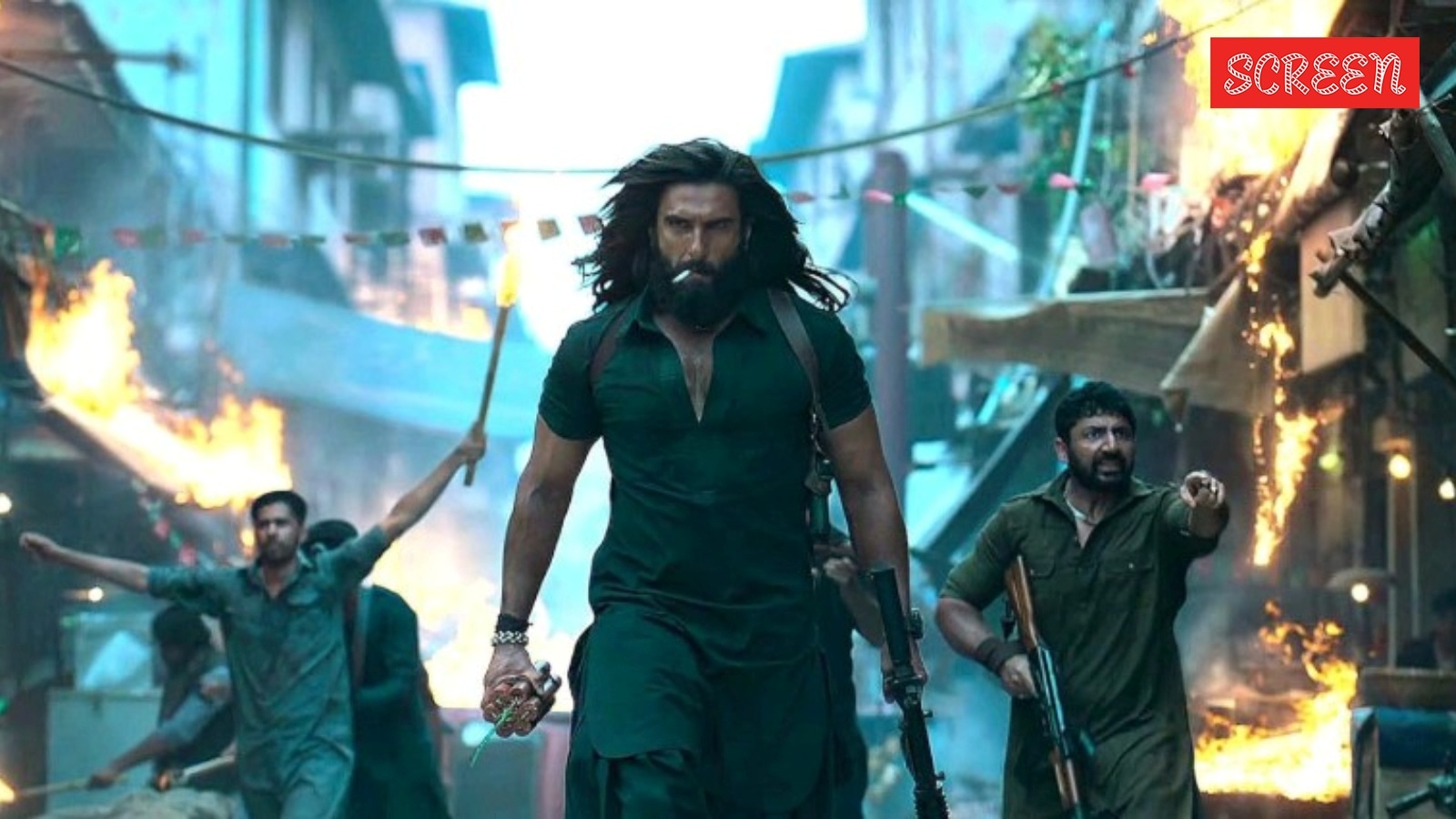
Ranveer Singh took smaller fee for Dhurandhar, earned more through backend deal: Producer
📰 RSS Feed Image
📖 Table of Contents
🎬 Latest Development: Beyond the Upfront: Ranveer Singh's Smart Backend Deal for 'Dhurandhar' Earns Him More Than a Smaller Fee
Ranveer's shrewd financial move.
📋 What You Need to Know
In the high-stakes world of Bollywood, actor compensation models are as varied and complex as the films themselves. While a hefty upfront fee remains the traditional benchmark for star power, a new trend is emerging, favoring backend deals that link an actor's remuneration directly to a film's commercial success. Ranveer Singh, known for his dynamic performances and astute career choices, has reportedly embraced this strategy for his upcoming film, "Dhurandhar." According to the producer, Singh opted for a significantly smaller upfront payment, choosing instead to secure a lucrative share of the film’s profits. This strategic move highlights a growing sophistication in how top-tier actors negotiate their earnings, potentially leading to far greater financial rewards than a conventional fixed fee.
🎭 Complete Story
The decision by Ranveer Singh to take a reduced upfront fee for "Dhurandhar" has sparked considerable discussion within the industry, signaling a notable shift in how major stars approach their compensation. While specific figures for the upfront fee reduction and the backend share have not been publicly disclosed, the producer's revelation confirms a strategic financial play by Singh. Traditionally, A-list actors command exorbitant fees, often comprising a significant portion of a film's budget regardless of its box office performance. However, a backend deal, typically involving a percentage of the film's net profits, theatrical revenue, or satellite/digital rights, aligns the actor's financial interests directly with the film's success. For "Dhurandhar," this means that if the film performs exceptionally well at the box office and secures lucrative post-theatrical deals, Ranveer Singh stands to earn substantially more than if he had simply taken a large fixed sum. This model also demonstrates confidence in the project's potential, as the actor is essentially betting on the film's commercial viability. For producers, such deals can alleviate some initial financial burden, allowing for more resources to be allocated to production quality or marketing. It creates a win-win scenario: the producer manages upfront costs, and the actor has a strong incentive to actively promote the film and ensure its success beyond just their performance. This move by Ranveer Singh for "Dhurandhar" is seen as a mature and calculated decision, reflecting his evolving understanding of the business side of filmmaking.
📊 Industry Analysis
The adoption of backend deals by leading actors is a growing trend in both Hollywood and Bollywood, driven by a desire for greater long-term earnings and a more equitable share of a film's overall success. This model gained prominence in Hollywood with stars like Tom Cruise, who famously opted for profit-sharing instead of massive upfront fees for blockbuster franchises like "Mission: Impossible," ultimately earning hundreds of millions. In Bollywood, while upfront fees have historically dominated, the increasing financial risks associated with big-budget productions and the fluctuating nature of box office returns are prompting a re-evaluation. Producers are often keen on such arrangements as they de-risk the initial investment and incentivize stars to become more involved in the film's promotional success. For actors, it offers the potential for exponential earnings if a film becomes a runaway hit, far exceeding what a flat fee might offer. This shift also reflects a maturation of the industry, moving towards a more performance-based compensation structure that rewards success rather than just star power. It's a strategic move that benefits both parties and indicates a growing trend towards more collaborative financial models in filmmaking.
💬 Expert Commentary
"Ranveer Singh's decision to opt for a backend deal for 'Dhurandhar' is a clear sign of financial acumen and an evolving industry landscape," states Ms. Anjali Mehta, a leading entertainment finance consultant. "In an era where film budgets are ballooning and box office predictability is challenging, linking an actor's pay to the film's performance is a smart move for everyone involved. For the producer, it eases upfront cash flow and spreads risk. For an actor of Ranveer's caliber, who has proven his box office pull, it's a bet on his own brand and the film's potential. If 'Dhurandhar' is a success, his earnings could far surpass any flat fee. This model also encourages actors to take a more vested interest in the film's overall marketing and success, beyond just their performance, becoming true partners in the venture. It’s a progressive step that many more A-listers are likely to follow."
🔗 Related Context
This compensation strategy isn't entirely new to Bollywood. Superstars like Shah Rukh Khan have reportedly utilized similar models for their production ventures, taking a percentage of profits rather than a fixed salary. However, it's becoming more prevalent for actors working under external banners. The rise of streaming platforms and their acquisition of digital rights has further complicated and diversified revenue streams, making backend deals even more attractive. An actor's share can now extend beyond theatrical collections to include digital, satellite, and music rights, offering multiple avenues for profit. This move by Ranveer Singh aligns him with a global trend of celebrity entrepreneurs who understand the value of long-term investment in successful intellectual property, rather than just cashing in on immediate paychecks. It also underscores the confidence the team behind "Dhurandhar" has in the film's commercial prospects.
🔍 Explore More Bollywood Content
Stay connected with the latest happenings in Hindi cinema:
Expert reviews and ratings of the latest Hindi films
Breaking news from the world of Hindi cinema
Inside stories and exclusive Bollywood entertainment news
💡 Visit Hindi Cinema News for more.
🎯 Key Takeaways
Ranveer Singh's strategic decision to take a smaller upfront fee for "Dhurandhar" in favor of a backend profit-sharing deal is a significant indicator of his financial foresight and a broader industry shift. This move not only demonstrates his confidence in the film's potential but also aligns his interests directly with its commercial success, potentially leading to a much larger overall earning. As the Bollywood landscape continues to evolve, such sophisticated compensation models are likely to become increasingly common, benefiting both actors and producers by fostering a more collaborative and success-driven approach to filmmaking. Ranveer Singh's choice for "Dhurandhar" serves as a compelling example of how modern stars are reshaping the economics of entertainment.
❓ Frequently Asked Questions
Q: When did this news break?
A: This story was reported today with comprehensive coverage as details emerge.
Q: What makes this significant?
A: This development represents an important moment in the Hindi film industry.
📢 Stay Updated
Don't miss breaking entertainment news! Follow us for real-time updates.
What's your take? Share your thoughts in the comments!
