
Bollywood's Youth Revolution: Films Mirroring Post-Indep. Angst
🚨 Breaking Bollywood News Alert! Get the complete inside story. Updated July 25, 2026.
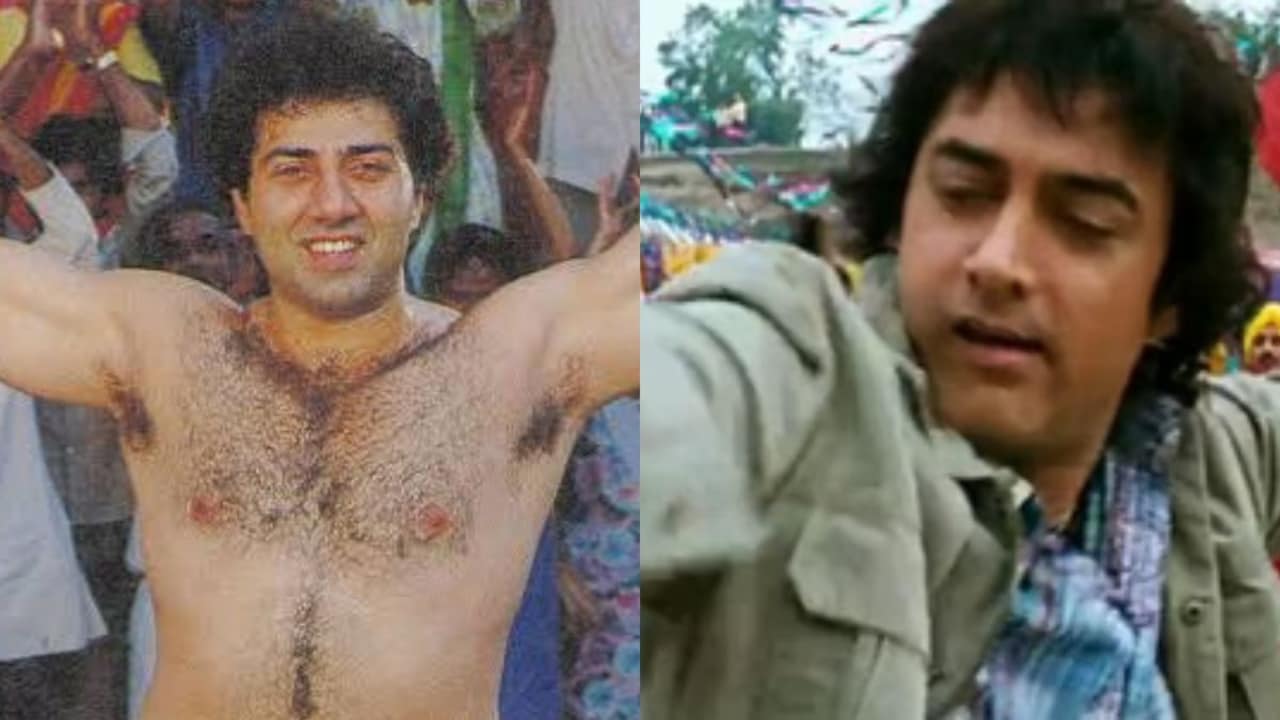
The Night Arjun Pulled The Trigger And DJ Went Live: When Bollywood Turned Youth Rage Into A Revolution Script
📰 RSS Feed Image
📖 Table of Contents
🎬 Latest Development: The Silver Screen's Rebellion: How Bollywood Channeled Youth Rage into Revolutionary Cinema
Youth rage, revolution, and Bollywood.
📋 What You Need to Know
Post-Independence India, far from settling into a placid new dawn, continued to simmer with unrest, particularly among its burgeoning youth. The promise of a new nation often clashed with the harsh realities of unemployment, social inequality, and political disillusionment. It was within this turbulent landscape that Indian cinema, especially Bollywood, found a powerful narrative vein. Films began to shed their escapist veneers, diving deep into the heart of student movements and the raw angst of a generation yearning for change. These cinematic explorations of youth rebellion weren't just reflections; they often became potent cultural touchstones, resonating profoundly with audiences and sometimes even hitting box office paydirt, proving that the nation was ready to confront its own internal struggles through the lens of art.
🎭 Complete Story
The 1970s and 80s, in particular, witnessed a surge in films that directly addressed the growing disillusionment and revolutionary spirit among India's youth. Movies like "Arjun" (1985), where Sunny Deol's character transforms from an ordinary, frustrated young man into a reluctant vigilante fighting corruption, epitomized this trend. Similarly, "Rang De Basanti" (2006), though much later, masterfully reinterpreted historical revolutionary fervor through the lens of contemporary youth, drawing parallels between Bhagat Singh's era and modern-day India's political apathy and corruption. The film "Haasil" (2003) explored the dark underbelly of student politics in Allahabad, showcasing the brutal power struggles and moral compromises within university campuses. These narratives were often gritty, realistic, and unafraid to expose the systemic flaws that fueled youth anger. They portrayed young protagonists as agents of change, sometimes flawed, sometimes idealistic, but always driven by a desire for a more just society. The portrayal of these characters, often from middle-class backgrounds, struggling against an oppressive system, struck a chord with millions. The youth saw their own frustrations, their own desires for rebellion, reflected on the big screen, turning these films into more than just entertainment – they became manifestos of a generation.
📊 Industry Analysis
The shift in Bollywood's thematic focus towards youth rage and social commentary wasn't just an artistic choice; it was also a shrewd response to the changing socio-political climate and audience demands. The Emergency of the mid-70s, the rise of regional political movements, and the increasing politicization of university campuses created a fertile ground for such narratives. Filmmakers recognized the commercial potential in tapping into this collective consciousness, moving away from purely romantic or family dramas to explore more potent, socio-political themes. The success of films like "Deewaar" (1975), which explored themes of urban poverty, crime, and brotherly conflict, paved the way for more direct portrayals of youth angst. The industry learned that audiences, especially the younger demographic, craved stories that resonated with their lived experiences and offered a voice to their unspoken frustrations. This period also saw the emergence of a new breed of directors and writers who were willing to challenge conventional storytelling, injecting realism and social critique into mainstream cinema, thereby broadening the scope and impact of Indian filmmaking.
💬 Expert Commentary
Film critic and historian, Dr. Rima Das, offers her insights: "These films were incredibly significant because they democratized the dialogue around youth disillusionment. Before, such conversations were confined to academic circles or political rallies. Bollywood brought it into living rooms. The 'angry young man' archetype, immortalized by Amitabh Bachchan, became the embodiment of a generation's frustration, a hero who dared to challenge the status quo. What's fascinating is how these films often balanced commercial appeal with a strong social message. They weren't just art-house experiments; they were mainstream hits that sparked national conversations. They showed that entertainment could also be a powerful tool for social reflection and even subtle activism, pushing audiences to think beyond the immediate narrative and consider the larger societal implications."
🔗 Related Context
The impact of these films extended beyond mere entertainment, often influencing youth fashion, slang, and even political discourse. Songs from movies like "Rang De Basanti" became anthems for protests, and dialogues from films like "Arjun" were quoted as expressions of defiance. This cinematic wave also had a ripple effect on other regional film industries, inspiring similar narratives in Tamil, Telugu, and Bengali cinema, which also explored local student movements and socio-political issues with equal intensity. The legacy of these films is evident in contemporary cinema, where filmmakers continue to revisit themes of youth rebellion, albeit with modern interpretations of activism and social media's role in mobilization, proving that the spirit of challenging the status quo remains a timeless narrative in Indian cinema.
🔍 Explore More Bollywood Content
Stay connected with the latest happenings in Hindi cinema:
Exclusive stories about your favorite Bollywood stars
Breaking news from the world of Hindi cinema
Inside stories and exclusive Bollywood entertainment news
💡 Visit Hindi Cinema News for more.
🎯 Key Takeaways
From the raw intensity of "Arjun" to the poignant activism of "Rang De Basanti," Bollywood has consistently demonstrated its capacity to reflect and, at times, shape the national consciousness regarding youth rage and revolutionary spirit. These films transcended mere storytelling, becoming cultural touchstones that articulated the frustrations, hopes, and rebellious desires of generations. They proved that the silver screen could be a powerful platform for social commentary, transforming individual angst into a collective narrative of change. As India continues to grapple with its evolving socio-political landscape, the legacy of these films serves as a reminder of cinema's enduring power to give voice to the voiceless and to script revolutions, not just on celluloid, but often in the hearts and minds of its audience, inspiring a continuous dialogue about justice, equality, and the pursuit of a better future.
❓ Frequently Asked Questions
Q: When did this news break?
A: This story was reported today with comprehensive coverage as details emerge.
Q: What makes this significant?
A: This development represents an important moment in the Hindi film industry.
📢 Stay Updated
Don't miss breaking entertainment news! Follow us for real-time updates.
What's your take? Share your thoughts in the comments!
