
Honey Trehan: 'Jaswant Singh Khalra Being Abducted Again'
🚨 Breaking Bollywood News Alert! Get the complete inside story. Updated July 14, 2026.
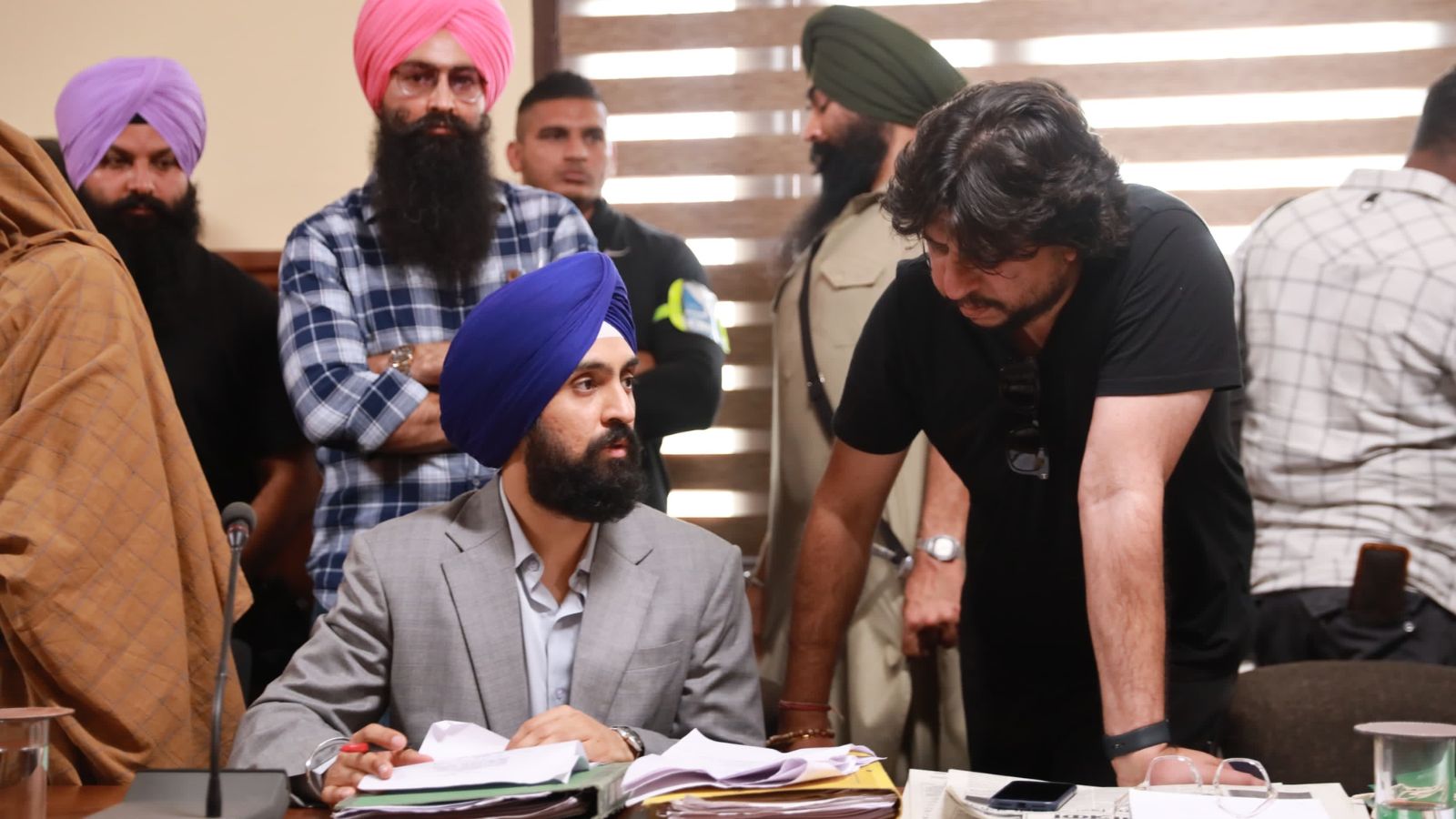
Satluj director Honey Trehan: ‘Jaswant Singh Khalra being abducted again’
📰 RSS Feed Image
📖 Table of Contents
🎬 Latest Development: 'Jaswant Singh Khalra Being Abducted Again': Satluj Director Honey Trehan's Chilling Statement on Film Censorship
Director laments Khalra's story suppression.
📋 What You Need to Know
In a poignant and powerful statement, filmmaker Honey Trehan, director of the upcoming film 'Satluj' (also known as 'Khalra'), has declared that human rights activist Jaswant Singh Khalra is being "abducted again." This chilling parallel, drawn in the context of the film's struggles with certification and potential suppression, highlights the ongoing battle for creative freedom and the right to tell sensitive historical narratives in India. Trehan's remarks suggest a deeper concern than mere bureaucratic hurdles, implying that the obstacles faced by his film mirror the silencing and disappearance that Khalra himself experienced decades ago. The statement has ignited a crucial conversation about censorship, historical memory, and the courage required to bring uncomfortable truths to the screen, especially when dealing with contentious periods of national history.
🎭 Complete Story
Honey Trehan's film, 'Satluj,' seeks to shed light on the life and activism of Jaswant Singh Khalra, a human rights defender who bravely exposed the secret cremations of thousands of unidentified bodies in Punjab during the tumultuous 1980s and 90s. Khalra's relentless pursuit of truth ultimately led to his own abduction and murder, allegedly by state police, in 1995. Trehan's comment, "Jaswant Singh Khalra is being abducted again," powerfully conveys his frustration and despair over the perceived attempts to stifle the film's release or alter its narrative. While specific details of the film's issues were not fully disclosed, the director's statement strongly implies pressure from various quarters, potentially including the Central Board of Film Certification (CBFC) or other government bodies, to dilute the historical accuracy or impact of the story. This struggle is not unique, as many Indian filmmakers tackling politically sensitive or historically controversial subjects often face significant challenges, ranging from funding issues and protests to outright censorship or demands for extensive cuts. The director's choice of words evokes the profound injustice suffered by Khalra, suggesting that the suppression of his story in cinema is a continuation of the efforts to erase his legacy and the truths he uncovered.
📊 Industry Analysis
The Indian film industry has a complex relationship with censorship and historical narratives. While films celebrating national heroes or government achievements often find a clear path, those delving into darker chapters of history, particularly those involving state actions or sensitive political events, frequently encounter significant resistance. The CBFC, initially established to certify films, has often been accused of acting as a censor, imposing cuts or outright bans based on subjective interpretations of public order, national security, or religious sentiments. This environment often leads to self-censorship among filmmakers, who preemptively dilute content to avoid protracted battles. The rise of streaming platforms initially offered a perceived haven from traditional censorship, but even these platforms are increasingly coming under scrutiny and regulation, as seen in the recent IT Rules amendments. The challenge for biopics like 'Satluj' is immense: balancing historical accuracy and artistic integrity with the practicalities of production and release in a climate where creative freedom is often subordinate to perceived sensitivities or political expediency.
💬 Expert Commentary
"Honey Trehan's choice of words, 'abducted again,' is incredibly potent and highlights a chilling reality for filmmakers addressing uncomfortable truths," observes cultural critic Dr. Anjali Rao. "It speaks to a systemic silencing, where the fight isn't just to make the film, but to ensure its message isn't distorted or eradicated. This is about historical revisionism and control over national memory." Legal expert Mr. Vikram Singh, specializing in media law, adds, "The CBFC's role is to certify, not censor. However, the line often blurs, especially for films touching on state-sensitive issues. Directors are caught between artistic integrity and the bureaucratic maze, which can effectively 'abduct' a film's original intent or even its release. The implication here is that the state or powerful entities are using regulatory mechanisms to suppress a narrative they deem inconvenient, echoing the very suppression Khalra fought against."
🔗 Related Context
Jaswant Singh Khalra's story is a harrowing chapter in India's human rights history. As a bank director in Amritsar, he meticulously documented thousands of illegal cremations in Punjab, providing undeniable evidence of extrajudicial killings by the police during the height of the militancy period. His activism brought international attention to the plight of victims and their families. His subsequent disappearance and murder became a symbol of the dangers faced by human rights defenders in India. The legacy of Khalra resonates with other instances where artists and activists have faced challenges in bringing sensitive historical events to light, from films on the Emergency period to those depicting communal violence. The struggles of 'Satluj' are thus part of a larger, ongoing debate about freedom of expression, truth, and reconciliation in a democratic society that grapples with its own past.
🔍 Explore More Bollywood Content
Stay connected with the latest happenings in Hindi cinema:
Get the latest breaking news and updates from Hindi cinema
First look at movies coming soon to theaters
Expert reviews and ratings of the latest Hindi films
💡 Visit Hindi Cinema News for more.
🎯 Key Takeaways
Honey Trehan's evocative statement about Jaswant Singh Khalra being "abducted again" transcends a mere complaint about film certification; it is a profound commentary on the enduring struggle for truth and artistic freedom in India. The obstacles faced by 'Satluj' underscore the pervasive challenges encountered by filmmakers daring to explore sensitive historical events, particularly those that scrutinize state actions. This controversy not only draws attention to Khalra's crucial, yet often overlooked, fight for human rights but also ignites a vital conversation about the boundaries of creative expression, the role of censorship, and the responsibility of a society to confront its past. Trehan's courage in voicing this concern ensures that the legacy of Khalra, and the issues he championed, will continue to resonate, demanding that his story, and similar uncomfortable truths, find their rightful place in public consciousness.
❓ Frequently Asked Questions
Q: When did this news break?
A: This story was reported today with comprehensive coverage as details emerge.
Q: What makes this significant?
A: This development represents an important moment in the Hindi film industry.
📢 Stay Updated
Don't miss breaking entertainment news! Follow us for real-time updates.
What's your take? Share your thoughts in the comments!
