
Imtiaz Ali on Being Apolitical: Art, Cinema & Agenda
🚨 Breaking Bollywood News Alert! Get the complete inside story. Updated July 21, 2026.
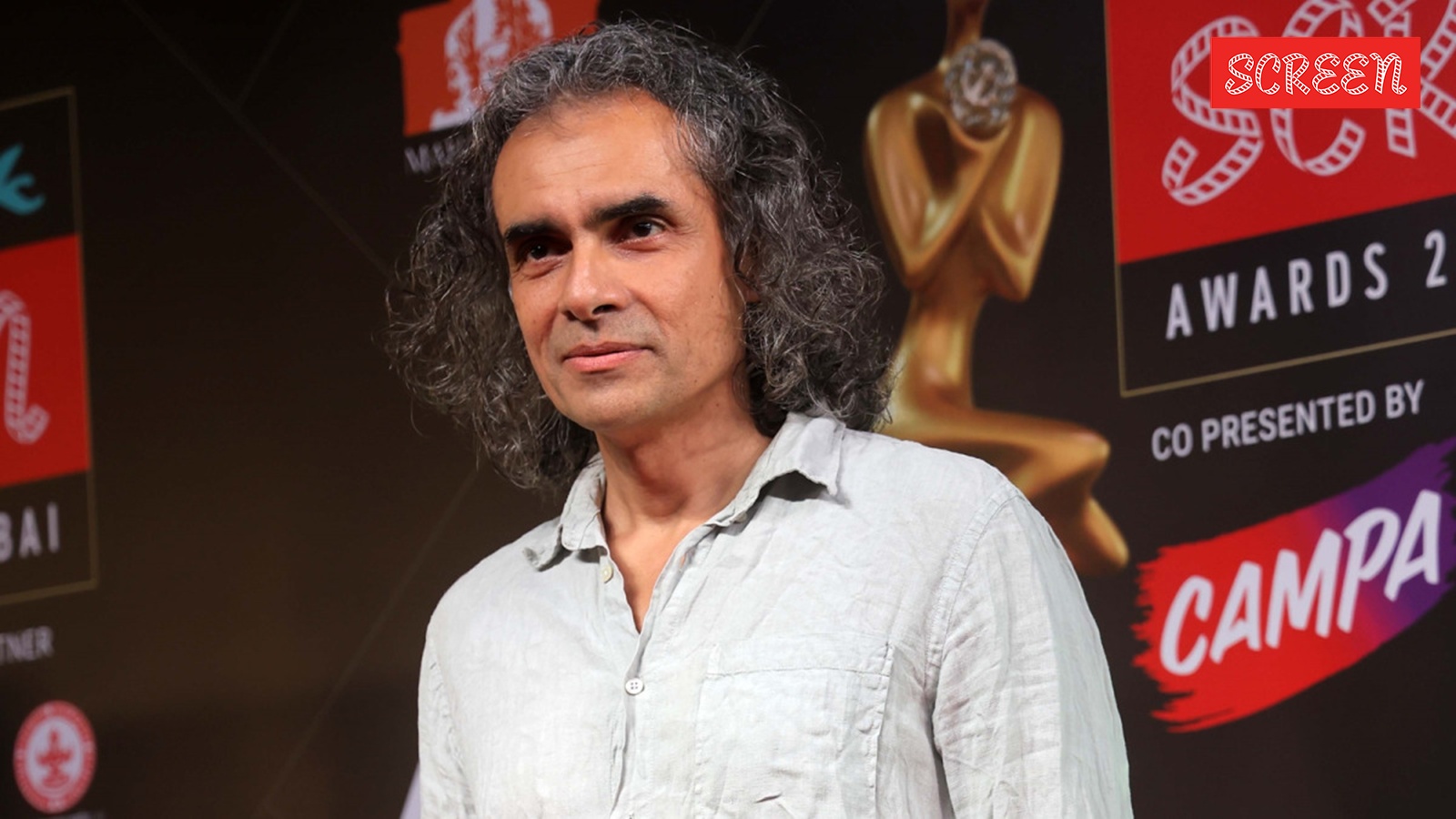
Imtiaz Ali says he’s ‘apolitical’: ‘Restrictive if you have a fixed political agenda’
📰 RSS Feed Image
📖 Table of Contents
🎬 Latest Development: Imtiaz Ali Declares Himself 'Apolitical,' Calls Fixed Political Agendas 'Restrictive' for Filmmaking
Filmmaker's Stance on Politics
📋 What You Need to Know
Imtiaz Ali, celebrated for his distinctive narrative style that often explores themes of self-discovery, love, and human connection, has carved a unique niche in Indian cinema. From "Jab We Met" to "Tamasha," his films are known for their nuanced character development and emotional depth rather than overt social or political commentary. In a recent statement that has sparked discussion, Ali declared himself 'apolitical,' asserting that having a "fixed political agenda" can be creatively restrictive for a filmmaker. This stance offers a fascinating glimpse into his artistic philosophy and opens up a broader debate about the role of politics in art, especially in an era where public figures are increasingly expected to take definitive stands on social and political issues. His perspective challenges the notion that all art must inherently be political, advocating instead for creative freedom unburdened by specific ideologies.
🎭 Complete Story
Imtiaz Ali’s recent comments about his apolitical stance have provided valuable insight into his creative process and worldview. During a media interaction, Ali stated, "I am apolitical. I am not a person who has a political agenda." He elaborated on this, explaining his belief that holding a fixed political agenda can be detrimental to artistic expression. "I feel that if you have a fixed political agenda, it becomes restrictive for a filmmaker," Ali explained. For him, the essence of filmmaking lies in exploring human stories, emotions, and journeys without the constraint of propagating a specific ideological viewpoint. This perspective suggests that an artist's primary role is to observe, understand, and translate the complexities of life onto the screen, rather than to serve as a mouthpiece for any particular political ideology.
📊 Industry Analysis
The Indian cinema landscape, particularly Bollywood, has always mirrored the nation's socio-political currents, albeit with varying degrees of explicitness. In recent times, there's been a noticeable increase in the politicization of films, with many directors and actors taking clear political stances, either implicitly through their art or explicitly through public statements. This trend is partly fueled by the heightened political awareness among the populace and the pervasive influence of social media, which often pressures public figures to declare their affiliations. Filmmakers today frequently face the dilemma of whether to use their platform for social commentary or to maintain an artistic distance. Some embrace political themes, creating powerful narratives that challenge societal norms or critique government policies, while others prefer to focus on entertainment or more universal, apolitical subjects.
💬 Expert Commentary
"Imtiaz Ali's declaration of being apolitical is a significant statement in the current Indian socio-political climate," observes Dr. Priya Singh, a film critic and cultural theorist. "In an era where artists are often expected, and sometimes pressured, to take a stance on political issues, his viewpoint champions artistic autonomy. When Ali says a fixed political agenda is 'restrictive,' he’s highlighting a crucial aspect of creative freedom: the ability to explore complex human experiences without being bound by ideological frameworks or prescriptive narratives."
🔗 Related Context
Imtiaz Ali's 'apolitical' stance can be seen in contrast to other prominent figures in Indian cinema who have openly embraced political commentary in their work. For instance, directors like Prakash Jha are renowned for their socio-political thrillers that directly engage with issues of corruption, caste, and governance. Similarly, actors like Swara Bhasker or Anupam Kher are known for their outspoken political views, which often intersect with their public personas. This spectrum illustrates the diverse roles artists choose to play in society.
🔍 Explore More Bollywood Content
Stay connected with the latest happenings in Hindi cinema:
Breaking news from the world of Hindi cinema
Latest box office numbers and film business analysis
Get the latest breaking news and updates from Hindi cinema
💡 Visit Hindi Cinema News for more.
🎯 Key Takeaways
Imtiaz Ali’s declaration of being ‘apolitical’ and his assertion that a fixed political agenda can be creatively ‘restrictive’ offers a valuable perspective on the intersection of art and ideology in contemporary cinema. His philosophy prioritizes the unhindered exploration of human stories and emotions, suggesting that the integrity of a filmmaker's vision is best preserved when unburdened by specific political mandates. This approach aligns with his filmography, which consistently delves into personal journeys and universal themes, allowing audiences to connect on a deeper, more introspective level.
❓ Frequently Asked Questions
Q: When did this news break?
A: This story was reported today with comprehensive coverage as details emerge.
Q: What makes this significant?
A: This development represents an important moment in the Hindi film industry.
📢 Stay Updated
Don't miss breaking entertainment news! Follow us for real-time updates.
What's your take? Share your thoughts in the comments!
