
Minors Watching A-Rated Film: Chennai Shows Stopped Mid-Way
🚨 Breaking Bollywood News Alert! Get the complete inside story. Updated July 27, 2026.
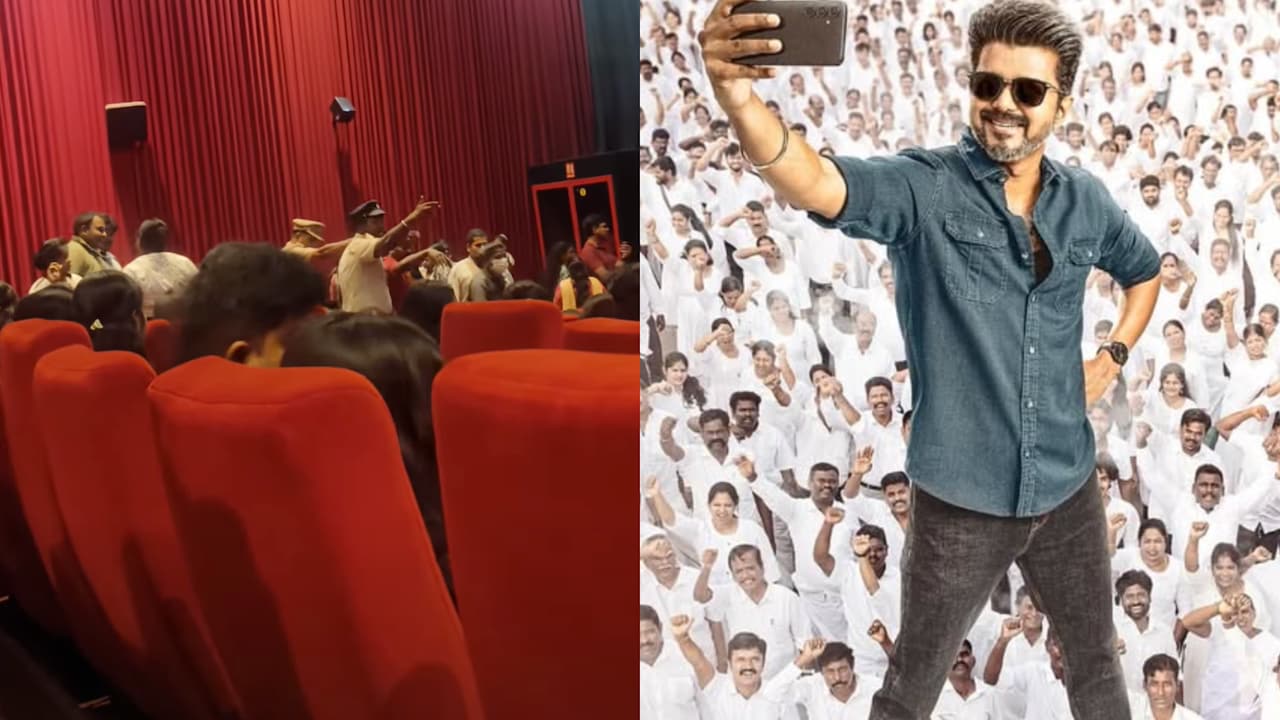
Jana Nayagan Shows Stopped Midway In Chennai After Minors Found Watching A-Rated Film
📰 RSS Feed Image
📖 Table of Contents
🎬 Latest Development: Chennai Crackdown: Minors Found Watching A-Rated Film, Jana Nayagan Shows Halted
A-Rated Film Shows Stopped
📋 What You Need to Know
In a swift and decisive action, screenings of the A-rated film "Jana Nayagan" were halted midway in Chennai after authorities discovered minors among the audience. The incident has brought the Central Board of Film Certification (CBFC) guidelines back into sharp focus, particularly the strict "Adults Only" rating that restricts public exhibition to individuals aged 18 and above. This enforcement highlights the critical importance of adhering to censorship rules designed to protect underage viewers from content deemed unsuitable for them. The episode serves as a stark reminder to both theatre owners and parents about their responsibilities in upholding these regulations and ensuring a safe cinematic experience for all audiences.
🎭 Complete Story
The tranquility of a regular movie day in Chennai was disrupted when several screenings of the film "Jana Nayagan" were abruptly stopped midway. The reason behind this unusual intervention was the discovery of minors in the audience for a film that had been explicitly granted an "A" (Adults Only) rating by the Central Board of Film Certification (CBFC). The "A" rating is a stringent classification, unequivocally stating that the film is suitable only for individuals who are 18 years of age or older. This rating is not a mere suggestion but a legal restriction, and any exhibition to underage viewers constitutes a violation of the Cinematograph Act, 1952. Authorities, upon receiving intelligence or conducting routine checks, intervened to ensure compliance, leading to the immediate cessation of the shows. This incident raises serious questions about the diligence of theatre management in verifying the age of patrons, particularly for A-rated films. While some theatres may implement strict ID checks, instances like these suggest lapses in the system, potentially driven by oversight or a deliberate disregard for regulations. The consequences of such violations can range from monetary penalties to, in severe cases, the suspension of exhibition licenses, impacting both the theatre owners and the distributors of the film.
📊 Industry Analysis
The incident in Chennai underscores a persistent challenge within the Indian film exhibition industry: the consistent enforcement of age-based film ratings. The CBFC's rating system – U (Universal), U/A (Parental Guidance), A (Adults Only), and S (Specialized Audiences) – is designed to categorize films based on their content suitability. The "A" rating is particularly critical, addressing themes such as strong violence, explicit sexual content, or mature themes that could be disturbing or inappropriate for minors. However, the effectiveness of this system hinges on the rigorous implementation by cinema halls. Often, theatres face operational pressures, leading to sometimes lax checking of IDs, especially during peak hours or in less regulated environments. This loophole not only undermines the CBFC's efforts but also raises concerns about child protection. Beyond theatrical releases, the proliferation of content on streaming platforms, often with their own rating systems, further complicates the landscape, though the legal jurisdiction for theatrical exhibition remains distinct. This incident should prompt a broader industry-wide review of best practices for age verification, staff training, and accountability mechanisms to prevent such violations and protect vulnerable audiences.
💬 Expert Commentary
"This incident in Chennai is a critical reminder of the legal and moral obligations tied to film exhibition," states Mr. Rajeev Mehta, a prominent legal expert specializing in media and entertainment law. "The Cinematograph Act is clear: 'A'-rated films are strictly for adults. Any theatre found in violation is not only flouting the law but potentially exposing minors to content that could be harmful. The penalties can be significant, and repeated offenses can lead to license revocations. This isn't just about censorship; it's about child protection."
🔗 Related Context
Such incidents are not isolated in India. There have been numerous reports over the years of minors gaining entry to A-rated films across various cities, prompting similar crackdowns and public debates. The challenge of enforcing age restrictions is global, with countries like the UK and USA also grappling with similar issues despite sophisticated rating systems. In India, the discussion often extends to the cultural context, where parental guidance might sometimes be less strict or awareness about film ratings might be lower. The issue also highlights the need for robust public awareness campaigns by the CBFC and film bodies to educate both parents and young people about the significance of age ratings. Furthermore, with the increasing accessibility of content online, the debate around how to protect minors from age-inappropriate material continues to expand beyond traditional cinema halls to the digital realm, making consistent enforcement across all platforms a pressing concern.
🔍 Explore More Bollywood Content
Stay connected with the latest happenings in Hindi cinema:
Exclusive stories about your favorite Bollywood stars
First look at movies coming soon to theaters
Get the latest breaking news and updates from Hindi cinema
💡 Visit Hindi Cinema News for more.
🎯 Key Takeaways
The halting of "Jana Nayagan" screenings in Chennai due to minors being found in the audience serves as a stern reminder of the non-negotiable nature of film classification laws in India. The Central Board of Film Certification's "A" rating is a legal mandate, not a guideline, designed to safeguard the psychological and emotional well-being of underage viewers. This incident calls for heightened vigilance from theatre owners, stricter age verification protocols, and a renewed commitment to upholding the integrity of the rating system. It also implicitly nudges parents to be more aware and responsible regarding the content their children consume. The protection of minors from unsuitable content is a collective responsibility, and the Chennai incident underscores the critical need for all stakeholders to play their part in ensuring that the cinematic experience remains appropriate and safe for every age group.
❓ Frequently Asked Questions
Q: When did this news break?
A: This story was reported today with comprehensive coverage as details emerge.
Q: What makes this significant?
A: This development represents an important moment in the Hindi film industry.
📢 Stay Updated
Don't miss breaking entertainment news! Follow us for real-time updates.
What's your take? Share your thoughts in the comments!
