
Prince Narula's Battle: 18 Tablets, Anxiety & Mental Health
🚨 Breaking Bollywood News Alert! Get the complete inside story. Updated July 10, 2026.
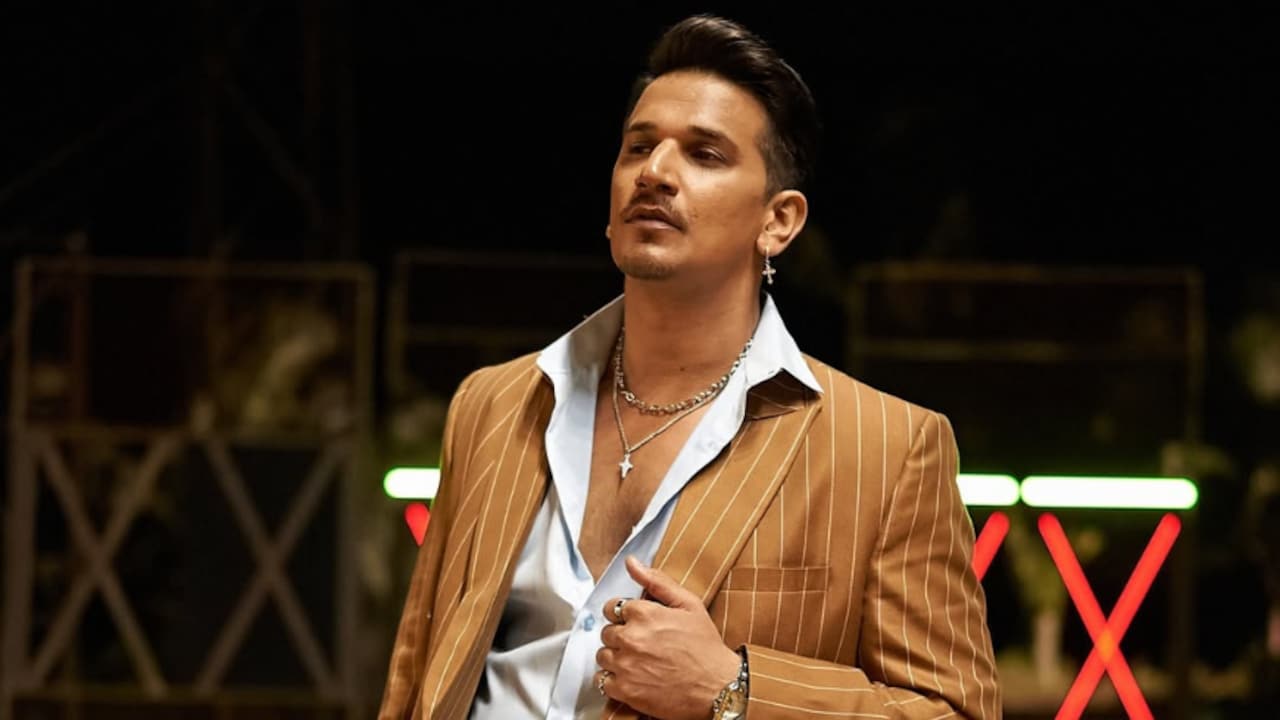
Prince Narula Reveals He Was Taking "18 Tablets A Day" During Anxiety Battle: 'Feared I Wouldn't Wake Up If I Slept'
📰 RSS Feed Image
📖 Table of Contents
🎬 Latest Development: The Staggering Reality of Anxiety: Prince Narula's Brave Revelation of Taking "18 Tablets A Day"
Prince Narula's Mental Health Journey
📋 What You Need to Know
In a powerful and deeply personal revelation, reality TV star Prince Narula has opened up about a harrowing period in his life, detailing a severe battle with anxiety that led him to consume an alarming "18 tablets a day." His candid admission not only sheds light on the often-invisible struggles of mental health but also highlights a critical societal issue: the initial lack of understanding and empathy towards such conditions, particularly in environments where mental well-being is often overlooked or dismissed. Narula's journey from skepticism to acknowledging his own vulnerability serves as a poignant reminder that mental health challenges can affect anyone, regardless of their public persona or perceived strength. This post delves into the specifics of his struggle, the broader implications for mental health awareness in the entertainment industry, and the vital importance of open dialogue.
🎭 Complete Story
Prince Narula, known for his robust and often unyielding personality on shows like Roadies and Bigg Boss, shared a stark contrast to his public image when discussing his severe anxiety. He confessed to a period where his mental state deteriorated to such an extent that he was reliant on an astounding regimen of "18 tablets a day" simply to cope. The fear of not waking up if he allowed himself to sleep became a constant companion, illustrating the profound grip anxiety had on his life. This level of medication underscores a crisis point, suggesting a desperate attempt to manage overwhelming symptoms that disrupted his basic bodily functions and peace of mind. Narula's honesty is particularly impactful given his earlier admission that he, like many others, once struggled to comprehend mental health issues due to the upbringing and societal environment he was accustomed to. He revealed that in his formative years, discussions around mental well-being were virtually nonexistent, leading to a dismissive attitude towards those who expressed such struggles. This internalised skepticism made it even harder for him to recognise and address his own deteriorating mental state. His transformation from someone who "failed to understand mental health struggles" to an individual openly sharing his most vulnerable moments is a testament to the power of personal experience and the growing, albeit slow, shift in societal attitudes. His narrative emphasizes that understanding often comes through direct confrontation with the issue, either personally or through witnessing a loved one's battle. The revelation serves as a stark reminder that behind the glitz and glamour of the entertainment world, individuals face very real and often intense personal battles.
📊 Industry Analysis
The entertainment industry, particularly in India, has long been a complex landscape regarding mental health. While public figures are increasingly speaking out, the underlying culture often prioritizes resilience and projecting an image of invincibility, making it challenging for individuals to admit vulnerability. Prince Narula's confession is a significant moment, adding to a growing chorus of celebrities who are destigmatizing mental health issues. This trend is crucial for several reasons: it normalizes mental health struggles for a vast audience, encourages fans to seek help, and pushes industry stakeholders to provide better support systems. Historically, the pressures of constant scrutiny, demanding schedules, and performance expectations in showbiz have taken a heavy toll, often leading to burnout, depression, and anxiety. Yet, resources for mental health support within production houses or talent agencies have been sparse or inadequate. Narula's story highlights the urgent need for a more empathetic and structured approach, including accessible therapy, counseling, and mental health breaks, to ensure the well-being of artists. His experience also reflects a broader societal shift where mental health is slowly moving from the shadows into mainstream conversations, driven by public figures and advocacy groups. The entertainment sector, with its immense influence, has a unique opportunity and responsibility to lead this change, fostering an environment where seeking help is seen as a sign of strength, not weakness.
💬 Expert Commentary
"Prince Narula's brave account is a powerful reminder of the physical and psychological toll severe anxiety can take," says Dr. Anya Sharma, a clinical psychologist specializing in stress and anxiety disorders. "The fact that he was taking '18 tablets a day' indicates an extreme level of distress and a desperate attempt to regain control over his own mind and body. What's equally critical is his honesty about his initial misunderstanding of mental health, which is a common barrier to seeking help. Many people grow up in environments where mental illness is either denied, shamed, or simply not discussed, leading to a delay in diagnosis and treatment. His journey underscores the importance of early intervention and open dialogue. It's not about being 'strong' enough to overcome it alone; it's about having the courage to acknowledge the struggle and seek professional support. When someone of his stature shares such a personal battle, it gives permission to countless others to re-evaluate their own mental health and reach out for the help they deserve. It's a vital step towards breaking down the stigma that still surrounds mental health in many communities."
🔗 Related Context
Prince Narula's candid discussion echoes similar revelations from other prominent figures in the entertainment industry, both globally and within India. Deepika Padukone famously shared her battle with depression, becoming a vocal advocate for mental health awareness through her Live Love Laugh Foundation. Karan Johar has also spoken about his struggles with anxiety and depression, emphasizing the importance of therapy. Sushant Singh Rajput's tragic demise further ignited a national conversation about mental health, highlighting the severe consequences when struggles go unaddressed or are misunderstood. These instances collectively underscore a critical need for a supportive ecosystem within the industry, one that prioritizes the well-being of artists over relentless performance demands. Beyond celebrities, the COVID-19 pandemic significantly exacerbated mental health crises worldwide, forcing a broader societal reckoning with issues like anxiety, depression, and burnout. Narula's story is thus not an isolated incident but part of a larger, ongoing dialogue about mental health, its pervasive nature, and the collective responsibility to foster environments of understanding and support.
🔍 Explore More Bollywood Content
Stay connected with the latest happenings in Hindi cinema:
Expert reviews and ratings of the latest Hindi films
Get the latest breaking news and updates from Hindi cinema
Breaking news from the world of Hindi cinema
💡 Visit Hindi Cinema News for more.
🎯 Key Takeaways
Prince Narula's courageous confession about his intense battle with anxiety and the alarming number of tablets he consumed daily serves as a stark and necessary reminder of the invisible struggles many face. His journey, from initially failing to understand mental health to openly sharing his vulnerability, is a testament to personal growth and a significant step in destigmatizing mental illness. His narrative powerfully illustrates that mental health challenges are not a sign of weakness but a complex issue requiring empathy, understanding, and professional intervention. As more public figures like Narula come forward, the collective conversation around mental well-being gains momentum, encouraging others to seek help and fostering a more supportive environment. It underscores the urgent need for continued education, accessible resources, and a cultural shift where mental health is prioritized as much as physical health, ensuring that no one fears sleeping, or waking up, due to the silent grip of anxiety.
❓ Frequently Asked Questions
Q: When did this news break?
A: This story was reported today with comprehensive coverage as details emerge.
Q: What makes this significant?
A: This development represents an important moment in the Hindi film industry.
📢 Stay Updated
Don't miss breaking entertainment news! Follow us for real-time updates.
What's your take? Share your thoughts in the comments!
