
Ravi Kishan on Vijay's CM Ambition: South Indian Politics
🚨 Breaking Bollywood News Alert! Get the complete inside story. Updated July 24, 2026.
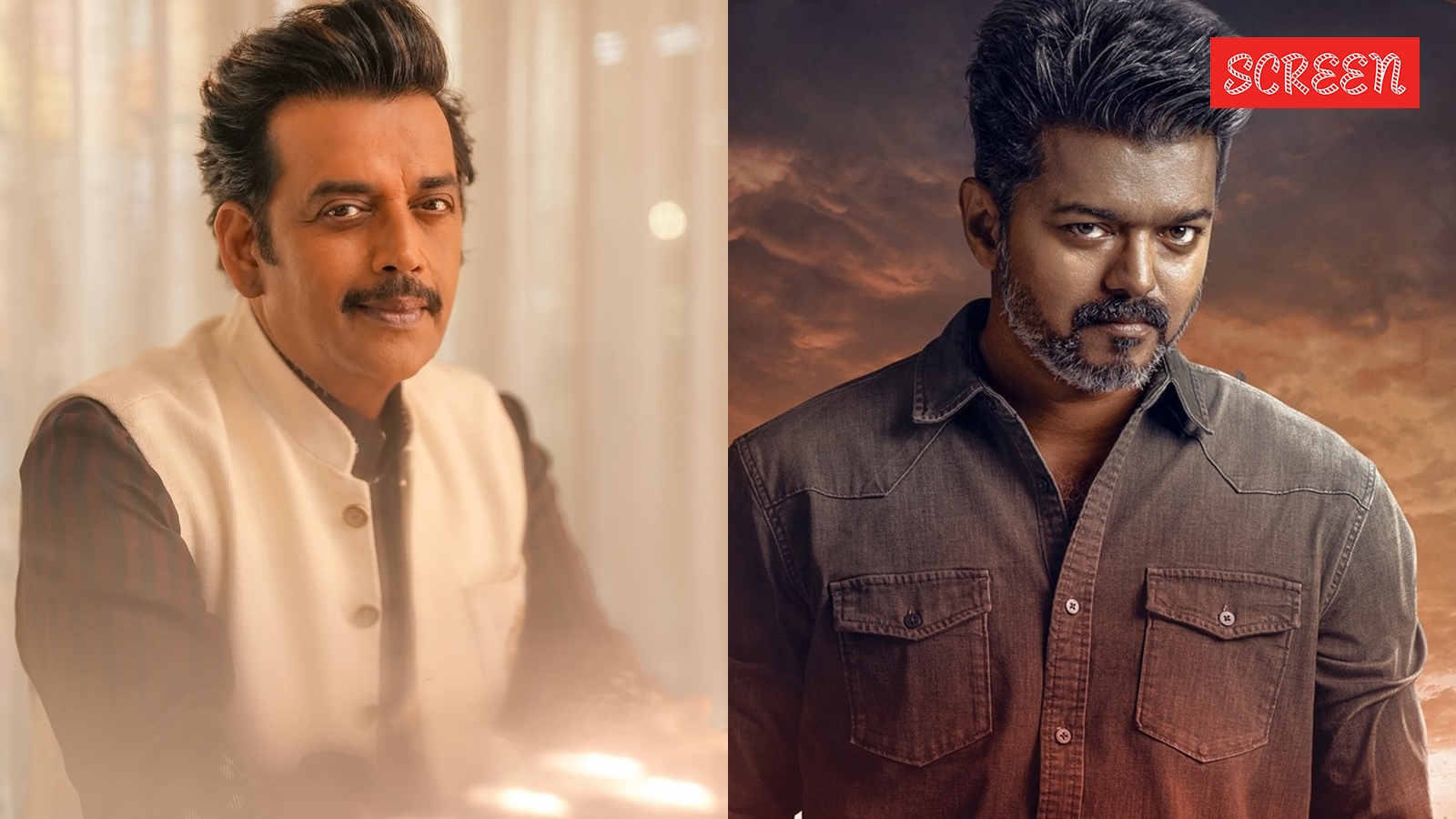
‘In South, they make actors Chief Ministers straight away’: Ravi Kishan hints at Vijay
📰 RSS Feed Image
📖 Table of Contents
🎬 Latest Development: 'South Makes Actors Chief Ministers Straight Away': Ravi Kishan's Statement Ignites Vijay CM Buzz
Vijay's Political Future in Spotlight
📋 What You Need to Know
The political landscape of South India has long been intertwined with its vibrant film industry, a phenomenon recently highlighted by actor-politician Ravi Kishan. His recent statement, "In South, they make actors Chief Ministers straight away," has sent ripples across both entertainment and political circles, specifically hinting at Tamil superstar Vijay's much-speculated political entry. This observation isn't just a casual remark; it underscores a deep-seated trend where cinematic charisma often translates into significant political power. As fans and political observers dissect Kishan's words, the question of Vijay's potential rise to Chief Ministership gains renewed momentum, positioning him as the latest in a long line of actors poised to transition from screen idol to political leader.
🎭 Complete Story
Ravi Kishan, a prominent Bhojpuri actor and BJP MP from Gorakhpur, made the striking comment during a recent media interaction, drawing a direct parallel between the South Indian political ecosystem and the potential trajectory of a popular actor like Vijay. While Kishan did not explicitly name Vijay, the context and widespread speculation around the Tamil star's political ambitions made the inference clear. Vijay, known for his massive fan base and socially conscious film roles, has been steadily increasing his public engagement, often addressing societal issues through his fan clubs and public appearances. His recent activities, including distributing aid, interacting with students, and making politically charged statements in films, have been widely interpreted as groundwork for a formal political plunge.
📊 Industry Analysis
The phenomenon of celebrity politicians in South India is not merely a coincidence but a deeply ingrained socio-cultural trend. The film industry, particularly in states like Tamil Nadu, serves as a powerful medium for mass communication, cultural identity, and even political messaging. Actors often become larger-than-life figures, embodying the aspirations and struggles of the common people in their cinematic roles. This emotional connection translates seamlessly into political capital. When an actor decides to enter politics, they don't start from scratch; they inherit a pre-existing fan base, a recognizable public image, and a narrative built over years of screen presence. This 'ready-made' appeal significantly reduces the entry barrier into politics, allowing them to bypass traditional political structures and connect directly with the electorate.
💬 Expert Commentary
"Ravi Kishan's observation is astute and highlights a unique aspect of South Indian politics," comments Dr. S. Karthik, a political analyst specializing in regional politics. "Unlike many other parts of India where political lineage or activism forms the primary route, the South has consistently shown that mass appeal generated through cinema can be a direct pathway to power. Vijay has been meticulously cultivating his public image and engaging his fan clubs for years. His films often carry subtle, and sometimes not so subtle, political messages. This isn't just about fan service; it's about building a political narrative."
🔗 Related Context
The legacy of actor-politicians in South India is extensive and deeply impactful. M.G. Ramachandran (MGR), a legendary Tamil actor, founded the AIADMK party and served as Chief Minister of Tamil Nadu for over a decade, becoming an iconic figure whose welfare schemes are still remembered. Following him, J. Jayalalithaa, another accomplished actress, took the reins of AIADMK and also served multiple terms as CM, demonstrating formidable political prowess. In Andhra Pradesh, N.T. Rama Rao (NTR), a celebrated Telugu actor, created the Telugu Desam Party (TDP) and swept to power within months of its formation, transforming the state's political landscape. These examples establish a strong precedent for the feasibility and success of actors transitioning to top political offices.
🔍 Explore More Bollywood Content
Stay connected with the latest happenings in Hindi cinema:
Comprehensive coverage of the Indian film industry
Breaking news from the world of Hindi cinema
Exclusive stories about your favorite Bollywood stars
💡 Visit Hindi Cinema News for more.
🎯 Key Takeaways
Ravi Kishan's pointed remarks about actors becoming Chief Ministers in the South have undoubtedly intensified the spotlight on Vijay's anticipated political foray. This commentary highlights a unique political phenomenon where the immense popularity and relatable personas cultivated on screen translate directly into significant political influence. While the path from cinema to Chief Minister's office is well-trodden by legends like MGR and NTR, Vijay's potential journey represents a contemporary continuation of this powerful trend. His strategic public engagements and burgeoning political narrative suggest that he is preparing to leverage his star power for a larger role. The coming years will reveal whether Vijay can successfully navigate the complexities of governance and emulate the successes of his predecessors, further cementing the inextricable link between South Indian cinema and its political destiny. The anticipation among his fans and political observers alike is palpable, awaiting the curtain call on his cinematic career and the rise of a new political act.
❓ Frequently Asked Questions
Q: When did this news break?
A: This story was reported today with comprehensive coverage as details emerge.
Q: What makes this significant?
A: This development represents an important moment in the Hindi film industry.
📢 Stay Updated
Don't miss breaking entertainment news! Follow us for real-time updates.
What's your take? Share your thoughts in the comments!
