
Satluj Row: Diljit Dosanjh Film Removed From Zee5 Over CBFC Issues
🚨 Breaking Bollywood News Alert! Get the complete inside story. Updated July 14, 2026.
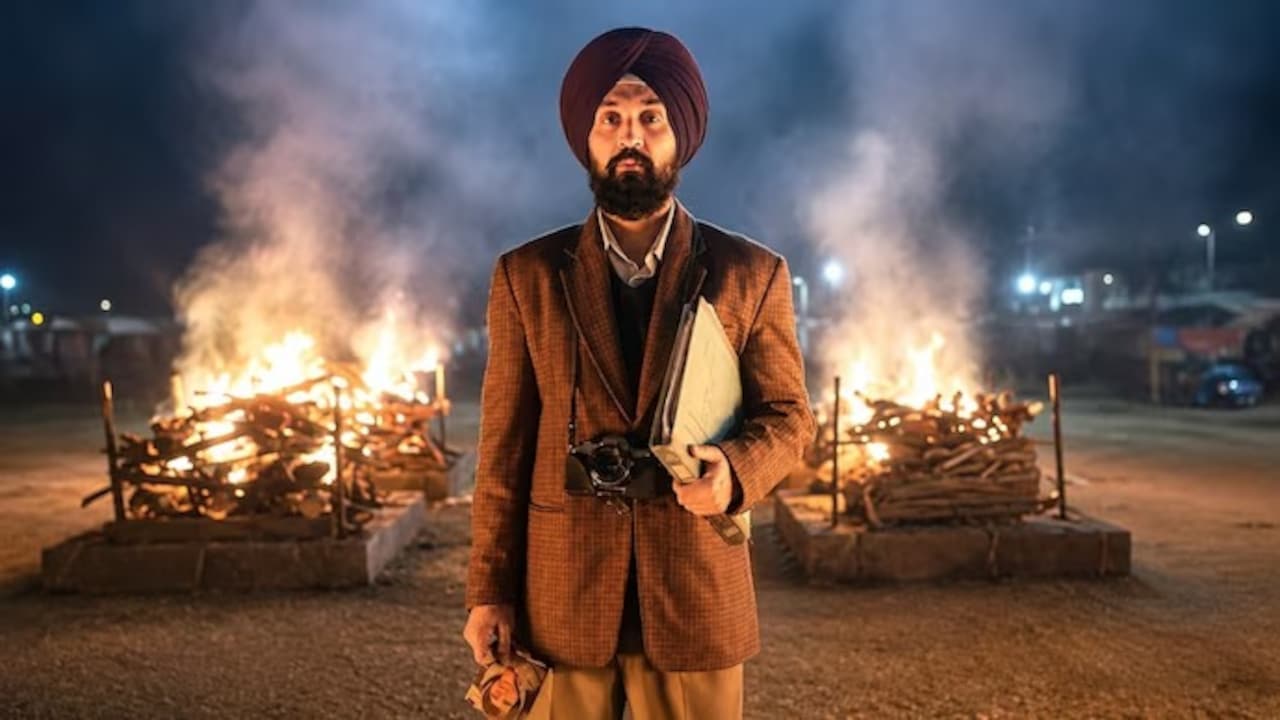
Satluj Row: Government Sources Reveal Why Diljit Dosanjh's Film Was Removed From Zee5
📰 RSS Feed Image
📖 Table of Contents
🎬 Latest Development: 'Satluj' Controversy: Government Sources Reveal CBFC Recommendations Led to Diljit Dosanjh Film's Removal from Zee5
CBFC changes behind 'Satluj' removal.
📋 What You Need to Know
The highly anticipated film 'Satluj,' starring Diljit Dosanjh, has reportedly been removed from the streaming platform Zee5, sparking a fresh wave of debate around creative freedom and censorship in India. Government sources have shed light on the reason for its disappearance, stating that the film remained pending with the Central Board of Film Certification (CBFC) because the makers allegedly failed to carry out recommended changes. This revelation reignites concerns within the film industry about the stringent oversight of regulatory bodies and the challenges faced by filmmakers tackling sensitive historical subjects. The 'Satluj Row' underscores the complex interplay between artistic expression, historical accuracy, and the pressures exerted by certification boards and, by extension, government sentiment on content distribution platforms.
🎭 Complete Story
The film 'Satluj,' believed to be a biopic on human rights activist Jaswant Singh Khalra, has been at the center of controversy even before its wider release. The recent removal from Zee5, a prominent streaming service, has brought the issues to a head. According to government sources, the film's production house had submitted it to the CBFC for certification, a mandatory step for theatrical or even digital release in India. However, the CBFC reportedly provided a list of "changes recommended" – modifications that could range from dialogue alterations and scene cuts to disclaimers or even changes in the film's overall narrative tone. The sources indicate that the filmmakers did not implement these suggested revisions, leading to the film remaining in a state of pending certification. Consequently, Zee5, likely to avoid legal complications or potential backlash, opted to remove the film from its platform. This sequence of events highlights the immense power wielded by the CBFC and the precarious position of streaming platforms, which, despite their digital nature, are increasingly subject to government oversight and traditional content regulations, particularly for sensitive topics.
📊 Industry Analysis
The landscape of film and digital content regulation in India is increasingly complex and contentious. The CBFC, traditionally responsible for certifying films for theatrical release, has been criticized for often exceeding its mandate and acting as a censor rather than a mere certifier. This is particularly true for films that delve into sensitive political, historical, or religious themes. The rise of Over-The-Top (OTT) streaming platforms initially offered a space for more unfiltered content, but the implementation of the IT (Intermediary Guidelines and Digital Media Ethics Code) Rules, 2021, brought these platforms under tighter government scrutiny. This has led to an environment where platforms often err on the side of caution, pulling content that could lead to legal challenges or regulatory action. The 'Satluj' incident exemplifies the challenges faced by filmmakers in balancing creative integrity with regulatory compliance, and the growing pressure on streaming services to self-regulate or face consequences, impacting artistic freedom and the diversity of narratives available to the public.
💬 Expert Commentary
"The removal of 'Satluj' from Zee5, based on unfulfilled CBFC recommendations, sends a chilling message to content creators," states Ms. Aparna Sharma, a film critic and cultural commentator. "It reinforces the idea that sensitive historical narratives, especially those critical of past state actions, face an uphill battle for public viewing. The CBFC effectively holds the key to distribution, even on digital platforms." Legal expert Mr. Rajesh Gupta, specializing in media law, adds, "This incident highlights the ambiguous nature of 'recommendations' from a certification board. When non-compliance leads to content removal from a major platform, it blurs the line between recommendation and mandatory censorship. It sets a dangerous precedent for artistic freedom and could lead to increased self-censorship within the industry, where creators choose safer subjects over compelling but controversial stories."
🔗 Related Context
The 'Satluj' controversy is not an isolated incident but part of a broader pattern of films in India facing hurdles due to their subject matter. From historical dramas like 'Padmaavat' and 'Jodhaa Akbar' to political satires and biopics, filmmakers have often navigated a minefield of protests, legal challenges, and CBFC demands. The specific historical context of Jaswant Singh Khalra's activism, which exposed human rights abuses in Punjab, makes 'Satluj' particularly susceptible to scrutiny. This echoes the struggles faced by director Honey Trehan, who previously expressed concerns about Khalra's story being "abducted again" in the context of the film. The 'Satluj Row' thus contributes to the ongoing national debate about the limits of free speech, the interpretation of history, and the role of regulatory bodies in shaping public discourse through media.
🔍 Explore More Bollywood Content
Stay connected with the latest happenings in Hindi cinema:
Inside stories and exclusive Bollywood entertainment news
Comprehensive coverage of the Indian film industry
Latest box office numbers and film business analysis
💡 Visit Hindi Cinema News for more.
🎯 Key Takeaways
The removal of Diljit Dosanjh's film 'Satluj' from Zee5, attributed by government sources to unaddressed CBFC recommendations, marks a significant moment in the ongoing discourse around censorship and creative freedom in India. This incident not only highlights the formidable power of the Central Board of Film Certification but also underscores the increasingly cautious approach adopted by streaming platforms in a tightly regulated digital landscape. The 'Satluj Row' serves as a stark reminder of the challenges faced by filmmakers who dare to delve into sensitive historical narratives, often forcing a compromise between artistic integrity and regulatory compliance. As the debate continues, this episode will undoubtedly fuel further conversations about the boundaries of expression, the interpretation of history, and the future of independent storytelling within India's evolving media ecosystem.
❓ Frequently Asked Questions
Q: When did this news break?
A: This story was reported today with comprehensive coverage as details emerge.
Q: What makes this significant?
A: This development represents an important moment in the Hindi film industry.
📢 Stay Updated
Don't miss breaking entertainment news! Follow us for real-time updates.
What's your take? Share your thoughts in the comments!
