
Atif Aslam Breaks Silence on India Ban, Misses Fans
🚨 Breaking Bollywood News Alert! Get the complete inside story. Updated August 12, 2026.
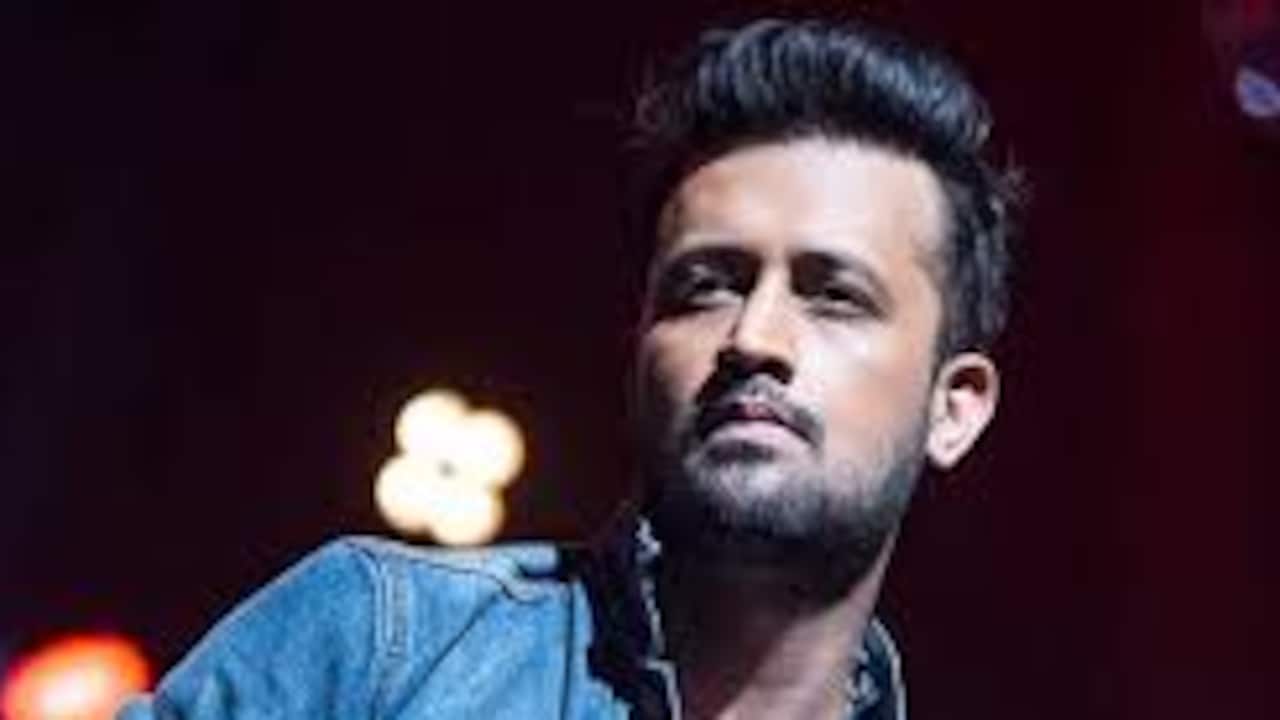
"Fans Listen With VPN": Atif Aslam Breaks Silence On 10-Year India Ban
📰 RSS Feed Image
📖 Table of Contents
🎬 Latest Development: "Fans Listen With VPN": Atif Aslam Breaks Silence on 10-Year India Ban, Expresses Love for Indian Audience
Aslam misses India's people, not work.
📋 What You Need to Know
Renowned Pakistani singer Atif Aslam has finally broken his decade-long silence regarding his unofficial ban from working in India, offering a poignant perspective on the situation. In a recent interview, Aslam revealed his deep appreciation for his Indian fanbase, acknowledging that "fans listen with VPN" to his music, a testament to their unwavering loyalty. While he expressed missing the people and the emotional connection, he candidly stated that he doesn't miss the work aspect, given his flourishing career globally. His remarks shed light on the complex geopolitical dynamics that often impact cultural exchange, yet underscore the power of music to transcend man-made borders.
🎭 Complete Story
Atif Aslam, whose soulful voice has captivated millions across the subcontinent, opened up about the bittersweet reality of his 10-year absence from the Indian music scene. Despite the unofficial ban that has prevented him from performing or working on Indian projects, Aslam conveyed immense gratitude for his devoted fanbase. "Fans listen with VPN," he remarked, acknowledging the lengths to which his Indian listeners go to access his music, a clear indicator of his enduring popularity. While the political climate has halted professional collaborations, Aslam emphasized that his heart misses the people of India and the profound connection he shared with them during his active years in Bollywood. However, he clarified that he does not miss "working" in India, indicating that his career has continued to thrive internationally, allowing him to explore diverse musical avenues. This nuanced statement reflects an artist who respects his roots and audience but has also adapted and grown beyond geographical constraints, maintaining his artistic integrity and global presence.
📊 Industry Analysis
The unofficial ban on Pakistani artists working in India, stemming from geopolitical tensions, has significantly impacted the cultural landscape of both nations. For a decade, artists like Atif Aslam, who once dominated Bollywood playlists, have been absent from mainstream Indian projects. This situation highlights the vulnerability of the arts to political fluctuations, where cultural exchange, a powerful tool for fostering understanding, often becomes a casualty. While the ban has created a void for Indian audiences who cherished these artists, it has also prompted some Pakistani artists to explore global markets more aggressively. The phenomenon of fans using VPNs underscores the innate human desire for connection through art, demonstrating that political barriers often fail to curb the appreciation for talent and creativity across borders, especially in the digital age.
💬 Expert Commentary
"Atif Aslam's statement perfectly encapsulates the dual reality faced by artists caught in geopolitical crosshairs," says Dr. Aisha Rahman, a cultural studies expert. "On one hand, there's the genuine emotional bond with a large fanbase, which digital tools like VPNs allow to persist despite official restrictions. On the other hand, artists are resilient; they find new avenues for expression and professional growth globally. His comment about not missing 'work' in India isn't a slight, but rather an affirmation of an artist who has successfully diversified his career. It’s a powerful testament to how art, while impacted by politics, ultimately finds a way to transcend it through the sheer will of both artists and their devoted audience."
🔗 Related Context
The ban on Pakistani artists isn't an isolated incident; similar cultural blockades have occurred historically between various nations due to political conflicts. In India, numerous Pakistani singers, actors, and directors, including Rahat Fateh Ali Khan and Fawad Khan, faced similar restrictions. This situation has led to debates within the Indian film and music industry about the role of art in fostering peace versus nationalist sentiments. Despite the official restrictions, informal cultural exchanges, driven largely by fan communities and digital platforms, continue to thrive, proving the indomitable spirit of cultural appreciation beyond political boundaries.
🔍 Explore More Bollywood Content
Stay connected with the latest happenings in Hindi cinema:
Exclusive stories about your favorite Bollywood stars
Inside stories and exclusive Bollywood entertainment news
First look at movies coming soon to theaters
💡 Visit Hindi Cinema News for more.
🎯 Key Takeaways
Atif Aslam's long-awaited comments on his 10-year India ban offer a candid and heartfelt perspective on a complex issue. His acknowledgement of his Indian fans' dedication, even through VPNs, beautifully illustrates the enduring power of music and the unbreakable bond between an artist and their audience, regardless of national borders. While the political climate has dictated his professional absence, Aslam's personal sentiments reveal a deep longing for the people, tempered by the reality of his thriving global career. His statement serves as a powerful reminder that while politics may impose divisions, the universal language of art often finds a way to bridge gaps and connect hearts.
❓ Frequently Asked Questions
Q: When did this news break?
A: This story was reported today with comprehensive coverage as details emerge.
Q: What makes this significant?
A: This development represents an important moment in the Hindi film industry.
📢 Stay Updated
Don't miss breaking entertainment news! Follow us for real-time updates.
What's your take? Share your thoughts in the comments!
