
Fadnavis Calls Ramayana "Film of the Millennium," Eyes Oscar
🚨 Breaking Bollywood News Alert! Get the complete inside story. Updated August 7, 2026.
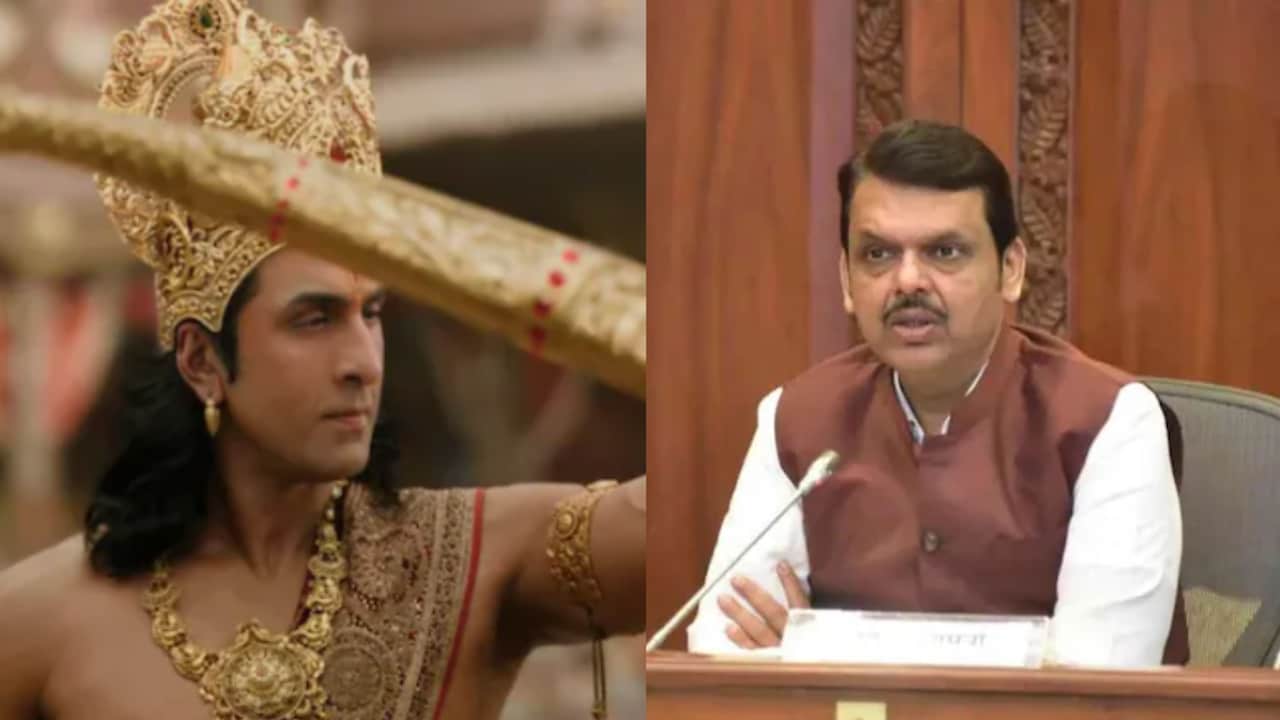
Devendra Fadnavis Calls Ramayana "Film Of The Millennium," Wants It To Win Oscar
📰 RSS Feed Image
📖 Table of Contents
🎬 Latest Development: Devendra Fadnavis Calls Ramayana "Film Of The Millennium," Wants It To Win Oscar
Fadnavis praises Ramayana, eyes Oscar.
📋 What You Need to Know
In a significant political and cultural statement, Maharashtra Chief Minister Devendra Fadnavis has bestowed an extraordinary accolade upon Nitesh Tiwari’s upcoming "Ramayana," hailing it as "the film of the millennium." His fervent praise didn't stop there; Fadnavis expressed his profound disappointment if the cinematic adaptation of the revered Hindu epic failed to secure an Oscar. This endorsement not only elevates the film's profile but also intertwines it with national pride and international aspirations, setting an incredibly high bar for a production that is already under immense public scrutiny. Such pronouncements from a prominent political figure underscore the deep cultural resonance of the Ramayana and the ambition to see Indian cinema achieve global recognition.
🎭 Complete Story
Chief Minister Devendra Fadnavis's comments came during a public event, where he passionately articulated his hopes and expectations for Nitesh Tiwari's "Ramayana." His declaration of it being "the film of the millennium" immediately positioned the movie not just as a major Indian release but as a work of unparalleled cultural and historical significance. Fadnavis emphasized the epic's universal themes of dharma, justice, and sacrifice, suggesting that a faithful and grand cinematic rendition could transcend geographical and linguistic barriers. His subsequent statement, expressing personal disappointment if the film didn't win an Oscar, highlights a blend of nationalistic pride and a genuine desire for Indian storytelling to gain global acclaim. This political endorsement, while boosting anticipation, also places immense pressure on the filmmakers. The Ramayana is not merely a story in India; it is a foundational text, a spiritual guide, and a cultural touchstone. Its cinematic portrayal is often met with intense scrutiny and high expectations from diverse segments of society, and Fadnavis's comments only amplify this. The film is rumored to be a visually spectacular, technically advanced production, aiming to capture the epic's grandeur with modern filmmaking techniques, which likely contributed to the Chief Minister's confidence.
📊 Industry Analysis
The intersection of politics and cinema, particularly concerning films rooted in cultural or religious epics, is a recurring phenomenon in India. High-profile political endorsements, like Fadnavis's for "Ramayana," can significantly influence public perception and box office performance. While such praise generates immense buzz and nationalistic fervor, it also introduces a layer of political expectation that can be both a boon and a burden. On one hand, it guarantees widespread attention and potential government support; on the other, it can stifle creative freedom and invite heightened criticism if the film deviates from established narratives or fails to meet the lofty expectations set. The aspiration for an Oscar, a sentiment often voiced by Indian politicians and filmmakers, reflects a collective desire for international validation of Indian cinematic prowess. However, the criteria for Oscar selection are complex, often prioritizing specific narratives and artistic merit over cultural significance alone, making such an outcome a challenging endeavor.
💬 Expert Commentary
Film critic and cultural commentator, Dr. Sameer Gupta, observed, "Fadnavis's remarks are a double-edged sword for 'Ramayana.' While the immense publicity is undeniable, it also sets an almost impossible benchmark. To call it 'film of the millennium' before release and demand an Oscar puts undue pressure on the creative team and potentially limits its artistic interpretation within a rigid political framework." Veteran filmmaker, Ms. Leena Nair, added, "The desire for an Oscar for a film like 'Ramayana' speaks to a larger national aspiration. But the Academy Awards have their own criteria, and often, films that resonate deeply within one cultural context might not always translate seamlessly to global jury preferences without exceptional cinematic innovation and universal storytelling appeal."
🔗 Related Context
India has a long history of adapting the Ramayana for screen, from Ramanand Sagar's iconic 1987 television series to various animated and regional film versions. Each adaptation faces the challenge of staying true to the epic's essence while appealing to contemporary audiences. The political endorsement of such projects is also not new; leaders often leverage the cultural capital of these epics. This phenomenon extends beyond "Ramayana" to other culturally significant films, where political figures express strong opinions, sometimes leading to controversy. The Oscar aspiration for Indian films has been a consistent theme, with few Indian entries making it to the final nomination stage, highlighting the gap between national ambition and international recognition benchmarks.
🔍 Explore More Bollywood Content
Stay connected with the latest happenings in Hindi cinema:
Exclusive stories about your favorite Bollywood stars
Breaking news from the world of Hindi cinema
First look at movies coming soon to theaters
💡 Visit Hindi Cinema News for more.
🎯 Key Takeaways
Devendra Fadnavis's declaration of Nitesh Tiwari’s "Ramayana" as "the film of the millennium" and his desire for it to win an Oscar certainly amplifies the anticipation and national pride surrounding the project. While such high praise fuels excitement, it also places a colossal weight of expectation on the film's shoulders. The convergence of politics, culture, and cinematic ambition in this instance underscores the profound importance of the Ramayana in India and the country's aspirations for global recognition in the arts. Ultimately, the film's success, both critically and commercially, will depend on its artistic merit, its ability to resonate universally, and its capacity to honor a cherished epic while navigating the immense expectations set by both public and political figures.
❓ Frequently Asked Questions
Q: When did this news break?
A: This story was reported today with comprehensive coverage as details emerge.
Q: What makes this significant?
A: This development represents an important moment in the Hindi film industry.
📢 Stay Updated
Don't miss breaking entertainment news! Follow us for real-time updates.
What's your take? Share your thoughts in the comments!
