
Gajendra Chauhan's 'Ramayana' Title Dig Sparks Debate
🚨 Breaking Bollywood News Alert! Get the complete inside story. Updated August 12, 2026.
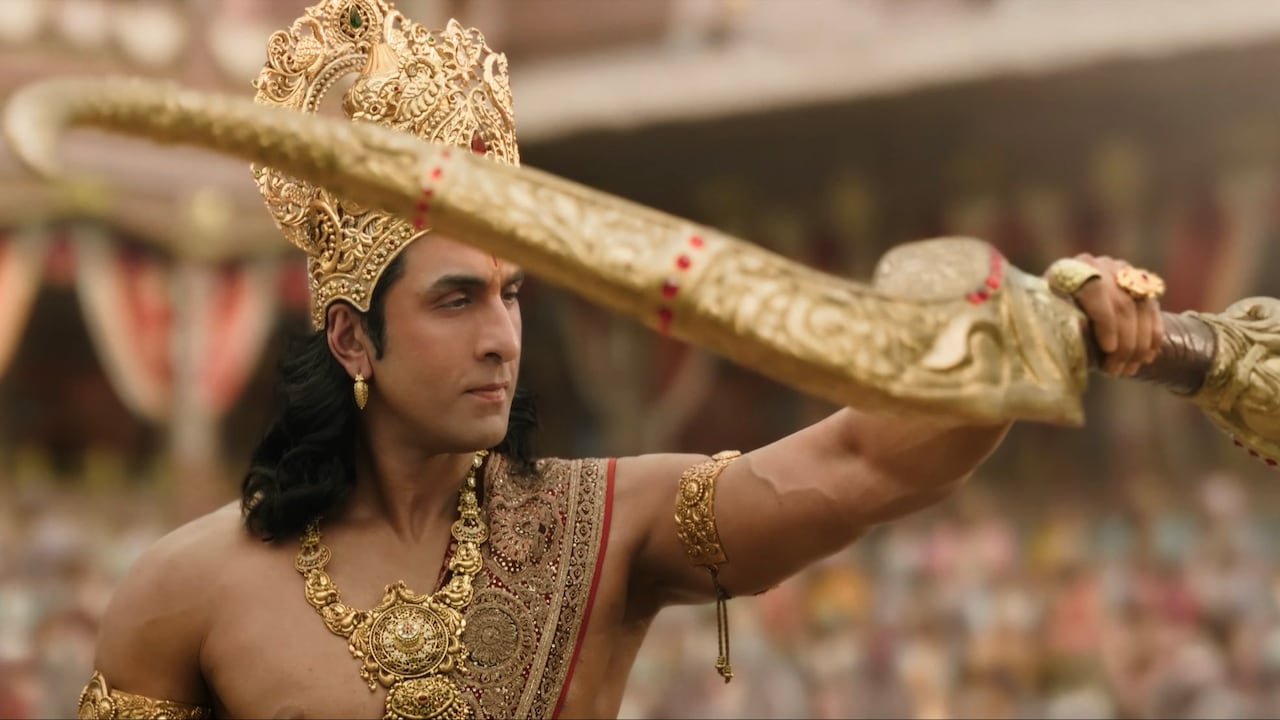
'What's Ramayana? It's Ramayan': Mahabharat Star Gajendra Chauhan's Dig At Film's Title
📰 RSS Feed Image
📖 Table of Contents
🎬 Latest Development: "What's Ramayana? It's Ramayan": Mahabharat Star Gajendra Chauhan's Fiery Critique of Film's Title
Chauhan Defends 'Ramayan' Spelling
📋 What You Need to Know
Gajendra Chauhan, an actor widely recognized for his portrayal of Yudhisthira in B.R. Chopra's iconic *Mahabharat*, has ignited a fresh debate in the cultural landscape with his recent comments regarding the title of upcoming films based on the Hindu epic, Ramayana. Chauhan expressed strong disapproval over the modern trend of using the English spelling "Ramayana" and altering the spelling of Lord Rama's name, asserting that the authentic and traditional spelling should be "Ramayan." His remarks, delivered with characteristic conviction, highlight a growing tension between artistic liberties taken by contemporary filmmakers and the deeply held cultural and religious sentiments of traditionalists. This critique opens a broader discussion about preserving the sanctity of ancient texts and names amidst modern reinterpretations and globalized spellings.
🎭 Complete Story
Gajendra Chauhan’s argument stems from a deep-rooted conviction about the sanctity and authenticity of cultural heritage, particularly when it comes to epics like the *Ramayan*. He pointedly questioned the justification behind changing established spellings, asking, "What's Ramayana? It's Ramayan!" His contention is that such alterations are not merely linguistic choices but can be perceived as a dilution of cultural identity and a disregard for traditional reverence. For millions of Indians, the *Ramayan* is not just a story; it's a sacred text, a moral compass, and a foundational element of their spiritual and cultural consciousness. Chauhan’s perspective reflects the sentiment that phonetic spellings, or spellings adopted for broader international appeal, might inadvertently strip away the inherent gravitas and historical continuity associated with these revered names.
📊 Industry Analysis
Gajendra Chauhan's critique taps into a significant ongoing debate within the Indian entertainment industry: the balance between creative interpretation, global appeal, and cultural authenticity when adapting mythological epics. Modern filmmakers often face the challenge of making ancient stories accessible and engaging for contemporary, and often international, audiences. This sometimes leads to changes in narrative, character portrayal, and even spellings or titles, aimed at broader marketability or simplified pronunciation. However, as Chauhan's comments illustrate, such changes can often clash with deeply held traditional beliefs and expectations. This tension highlights the delicate tightrope walk for creators: how to innovate without alienating a core, culturally sensitive audience. The discussion also touches upon the role of language and transliteration in shaping cultural perceptions. While English spellings like "Ramayana" are widely accepted, a segment of the audience views them as colonial impositions or unnecessary Westernizations. The debate underscores the powerful connection between language, identity, and the preservation of cultural heritage in a rapidly globalizing world, where every creative decision regarding an epic can become a cultural statement.
💬 Expert Commentary
"Chauhan’s comments bring to the forefront the perpetual conflict between tradition and modernity in storytelling," says Dr. Aparna Sharma, a Sanskrit scholar and cultural commentator. "For purists, any alteration, even in spelling, can feel like a dilution of the original essence and a disrespect to the spiritual context. The name 'Ramayan' carries a specific resonance in Indian languages that 'Ramayana' might not fully capture for everyone." Film historian Professor Rajat Kapoor adds, "Actors who have been part of iconic mythological productions often become guardians of that legacy. Their voice carries weight when new adaptations emerge. It's a reminder that these aren't just stories; they're living traditions for many, and filmmakers must tread carefully." Marketing expert Sunita Rao offers a different perspective: "Global appeal often necessitates certain linguistic standardizations. 'Ramayana' is recognized internationally. While cultural sensitivity is paramount, sometimes minor adjustments are made for wider reach, which isn't always intended to disrespect the original, but to make it universally identifiable."
🔗 Related Context
This isn't the first time an adaptation of an Indian epic has sparked controversy over authenticity or creative choices. Recent years have seen numerous debates surrounding films based on historical figures or mythological tales. From *Adipurush*'s controversial dialogues and visual effects to *Jodha Akbar*'s historical accuracy, filmmakers constantly grapple with public scrutiny when retelling beloved narratives. The shift from traditional Hindi spellings to English transliterations is a particularly sensitive point, often perceived as an attempt to 'Bollywood-ize' or 'globalize' sacred texts at the expense of their cultural roots. Gajendra Chauhan's remarks echo similar sentiments expressed by cultural custodians in the past who have voiced concerns over the perceived commercialization or misrepresentation of India's rich mythological heritage, emphasizing the emotional and spiritual investment audiences have in these stories.
🔍 Explore More Bollywood Content
Stay connected with the latest happenings in Hindi cinema:
Breaking news from the world of Hindi cinema
Comprehensive coverage of the Indian film industry
Expert reviews and ratings of the latest Hindi films
💡 Visit Hindi Cinema News for more.
🎯 Key Takeaways
Gajendra Chauhan's impassioned critique of the "Ramayana" spelling and the alteration of Lord Rama's name has reopened an important dialogue about cultural preservation versus modern adaptation in Indian cinema. His argument, rooted in a deep respect for tradition and authenticity, highlights the emotional and spiritual connection millions have with these ancient epics. While filmmakers strive for global appeal and fresh interpretations, the incident underscores the critical importance of cultural sensitivity and the potential for perceived disrespect when altering foundational elements of such revered narratives. As more mythological films are announced, this debate will undoubtedly continue, serving as a vital reminder that while stories can be retold, their essence and cultural significance must always be handled with the utmost reverence and understanding.
❓ Frequently Asked Questions
Q: When did this news break?
A: This story was reported today with comprehensive coverage as details emerge.
Q: What makes this significant?
A: This development represents an important moment in the Hindi film industry.
📢 Stay Updated
Don't miss breaking entertainment news! Follow us for real-time updates.
What's your take? Share your thoughts in the comments!
