
Geetu Mohandas's "No Script" Remark Ignites Viral Trolling
🚨 Breaking Bollywood News Alert! Get the complete inside story. Updated August 27, 2026.
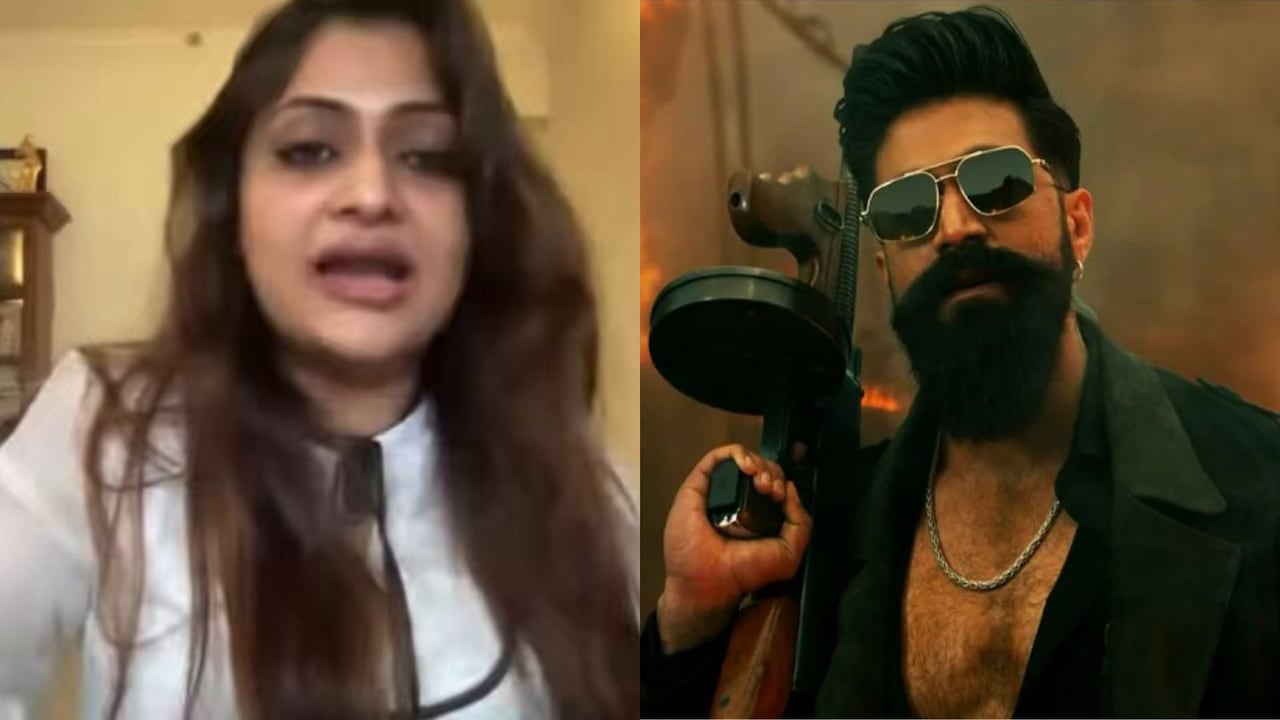
Watch: Toxic Director Geetu Mohandas's Old "I Never Stick To The Script" Remark Goes Viral Amid Trolling
📰 RSS Feed Image
📖 Table of Contents
🎬 Latest Development: Viral Storm: Director Geetu Mohandas's "I Never Stick To The Script" Remark Resurfaces Amidst Trolling
Director's Maverick Remark Sparks Debate
📋 What You Need to Know
In the ever-evolving landscape of Indian cinema, where artistic expression often clashes with public perception, a past statement by acclaimed director Geetu Mohandas has unexpectedly resurfaced, igniting a fresh wave of debate and, in some corners, intense trolling. The filmmaker, known for her distinctive narrative style, had once candidly remarked, "I never stick to the script." This seemingly innocuous comment, when taken out of its original context and amplified by social media, has drawn considerable attention. Mohandas further elaborated on her creative process, stating, "I write something, I shoot something else, I edit something else, and then the film is out. Then I'm happy." This insight into her fluid approach to filmmaking is now at the epicenter of a viral discussion, prompting a closer look at directorial autonomy versus the sanctity of the written word in cinema.
🎭 Complete Story
The remark by Geetu Mohandas, initially shared in an interview or panel discussion a while ago, has found new life on various social media platforms, particularly among online film communities and discussion forums. The context of her original statement likely pertained to the organic and evolving nature of filmmaking, where a director's vision can and often does shift from pre-production to post-production. Filmmaking is, after all, a dynamic art form, and many directors find that the script serves as a blueprint rather than an unalterable sacred text. However, the internet's tendency to decontextualize and sensationalize has transformed her honest revelation into a perceived admission of directorial "toxicity" or disregard for the craft of screenwriting. Critics online are interpreting her statement as an affront to screenwriters, suggesting it implies a lack of respect for the foundational work that underpins any cinematic project. Others view it as a symptom of a broader issue where director's egos overshadow collaborative efforts. The term "toxic director" has been hurled, reflecting a growing intolerance for perceived artistic arrogance. This digital phenomenon highlights how easily creative freedom can be misconstrued as professional negligence in the hyper-critical environment of social media, leading to widespread trolling and public scrutiny that often lacks nuance.
📊 Industry Analysis
The controversy surrounding Geetu Mohandas's remark opens up a perennial debate within the film industry: the intricate and often contentious relationship between a director's vision and the integrity of the script. On one hand, the "auteur theory" champions the director as the primary author of a film, suggesting that their personal style and vision should permeate every aspect of the production, even if it means deviating significantly from the original screenplay. Many iconic filmmakers globally have been known for their improvisational methods or for rewriting extensively on set. This approach often leads to groundbreaking, visually distinctive, and deeply personal films. However, the counter-argument emphasizes the collaborative nature of filmmaking, where the screenwriter's contribution is paramount. A well-crafted script provides the narrative backbone, character arcs, and thematic depth. Disregarding it entirely can be seen as undermining the writer's intellectual property and hard work, potentially leading to a disjointed final product or, worse, fostering an environment where writers feel their contributions are undervalued. The digital age further complicates this dynamic, as every pronouncement by a public figure in the industry is subject to immediate, widespread, and often unforgiving scrutiny, forcing industry professionals to navigate a delicate balance between artistic honesty and public relations.
💬 Expert Commentary
"The debate sparked by Geetu Mohandas's resurfaced comments is a fascinating, albeit often oversimplified, reflection of the eternal tension in filmmaking," observes renowned film critic and historian, Dr. Anya Sharma. "On one side, you have the romantic notion of the director as an auteur, a singular visionary who sculpts the film even beyond the written page. Mohandas's statement, 'I write something, I shoot something else, I edit something else, and then the film is out. Then I'm happy,' perfectly encapsulates this highly personal, iterative process. Many cinematic masterpieces have emerged from such fluid approaches, where the film truly 'finds itself' in the editing room. However, the online backlash underscores a crucial point: filmmaking, at its heart, is a collaborative art form. Screenwriters dedicate immense effort to crafting narratives, and any perception of disrespect towards that foundational work can understandably cause friction. The challenge lies in communicating this organic process without appearing dismissive. In the era of instant virality and 'cancel culture,' nuance is often lost, and a director's candid insight into their creative flow can easily be misinterpreted as 'toxic' rather than simply unconventional. It highlights the need for a more informed public discourse about the complex, often messy, realities of artistic creation."
🔗 Related Context
This isn't the first time a director's creative process has sparked public debate. Historically, there have been numerous instances where directorial changes to a script led to public spats between writers and directors, or even controversies over creative credit. For example, the legendary Alfred Hitchcock was known for his meticulous storyboarding, but also for his sometimes dismissive attitude towards screenwriters, often seeing them as mere technicians to execute his vision. Similarly, the "director's cut" phenomenon itself is a testament to the ongoing tension between a director's ultimate vision and studio or production pressures, which often involves significant deviations from the original screenplay. In Indian cinema, the line between writer and director has often been blurred, with many directors penning their own scripts or collaborating closely. However, the rise of a more defined screenwriting profession has also led to a greater emphasis on giving credit where it's due. Mohandas's comments, therefore, tap into a long-standing discussion about artistic ownership, the hierarchy of creative roles, and the evolving professional landscape of the global film industry, now amplified by the instantaneous judgment of social media.
🔍 Explore More Bollywood Content
Stay connected with the latest happenings in Hindi cinema:
Inside stories and exclusive Bollywood entertainment news
Get the latest breaking news and updates from Hindi cinema
Comprehensive coverage of the Indian film industry
💡 Visit Hindi Cinema News for more.
🎯 Key Takeaways
The viral resurgence of Geetu Mohandas's "I never stick to the script" remark serves as a potent reminder of the complexities inherent in the filmmaking process and the double-edged sword of public discourse in the digital age. While her statement was likely an honest reflection of her individual artistic method—a process common among many directors who embrace the fluidity of filmmaking—it has been met with both understanding and sharp criticism. This incident underscores the ongoing debate between artistic freedom and collaborative integrity within the film industry, highlighting the delicate balance directors must strike when discussing their craft publicly. As conversations around creative ownership and professional respect continue to evolve, particularly in an era where social media can instantly turn a past quote into a present controversy, it becomes increasingly crucial for both creators and audiences to engage with nuance and context. Ultimately, Mohandas's experience reflects a broader challenge for artists in the public eye: how to remain authentic to one's creative philosophy while navigating the swift and often unforgiving currents of online opinion.
❓ Frequently Asked Questions
Q: When did this news break?
A: This story was reported today with comprehensive coverage as details emerge.
Q: What makes this significant?
A: This development represents an important moment in the Hindi film industry.
📢 Stay Updated
Don't miss breaking entertainment news! Follow us for real-time updates.
What's your take? Share your thoughts in the comments!
