
Mukesh Khanna Wants Vande Mataram as National Anthem
🚨 Breaking Bollywood News Alert! Get the complete inside story. Updated August 23, 2026.
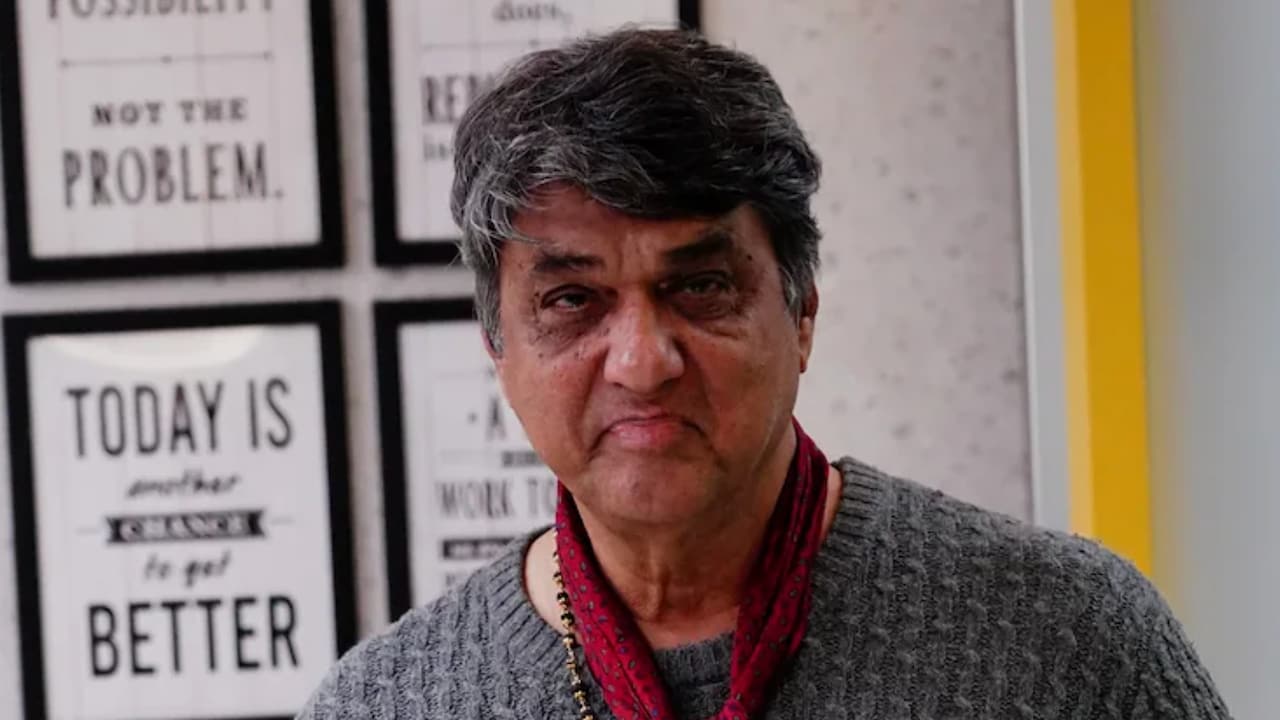
Here's Why Mukesh Khanna Wants Vande Mataram To Replace Jana Gana Mana As National Anthem
📰 RSS Feed Image
📖 Table of Contents
🎬 Latest Development: Reigniting the Anthem Debate: Mukesh Khanna's Call for 'Vande Mataram'
Khanna revives anthem replacement debate.
📋 What You Need to Know
Veteran actor and cultural commentator Mukesh Khanna has once again stirred a long-standing national debate with his recent comments advocating for 'Vande Mataram' to replace 'Jana Gana Mana' as India's national anthem. Khanna, known for his strong opinions on patriotic and cultural matters, has reignited a discussion that periodically resurfaces in the public consciousness, touching upon issues of national identity, historical context, and the emotional resonance of these revered songs. His statements have drawn immediate attention, prompting both support and criticism, and forcing a renewed examination of the origins, meanings, and suitability of both anthems in modern India. This discourse delves deep into India's historical journey and its cultural fabric.
🎭 Complete Story
Mukesh Khanna's argument centers on the historical significance and emotional depth of 'Vande Mataram.' He reportedly highlighted that 'Vande Mataram,' penned by Bankim Chandra Chatterjee, served as an inspirational rallying cry during India's freedom struggle, deeply embedding itself in the collective consciousness of revolutionaries and patriots. Khanna argues that its historical role as a symbol of resistance and national pride makes it a more fitting choice for the national anthem. He emphasized its profound spiritual and cultural connection to the land of India, which he feels resonates more universally with the ethos of the nation.
📊 Industry Analysis
The debate surrounding the national anthem, frequently sparked by public figures like Mukesh Khanna, underscores the intricate relationship between celebrity influence and national identity in India. Celebrities, due to their widespread reach, often find themselves at the forefront of cultural and political discourse, their opinions amplifying discussions on sensitive topics. This phenomenon highlights how popular culture can intersect with national symbolism, shaping public opinion and reigniting historical debates. From an industry perspective, such comments also reflect the increasing trend of public figures stepping beyond their professional roles to voice strong ideological stances, leveraging their platforms to influence broader societal narratives.
💬 Expert Commentary
"Mukesh Khanna's call for 'Vande Mataram' to replace 'Jana Gana Mana' taps into a deep vein of historical sentiment that has always existed in India," explains Dr. Alok Kumar, a political historian specializing in Indian nationalism. "While 'Jana Gana Mana' is constitutionally recognized and universally admired for its inclusive message and poetic grandeur, 'Vande Mataram' holds a unique place as the unofficial anthem of the freedom struggle. This debate isn't just about two songs; it's about differing interpretations of national identity – one rooted in a more culturally specific, revolutionary fervor, and the other in a broader, secular, and diverse vision of India. Any change would require significant constitutional and public consensus, which is a monumental task given the entrenched reverence for both. It's a complex issue that speaks to the very soul of what India represents to its citizens."
🔗 Related Context
The debate initiated by Mukesh Khanna is not new; it has historical precedents and echoes similar discussions about national symbols across the globe. In India, there have been various historical instances where the selection of national symbols, from the emblem to the language, has sparked extensive debate. For example, the status of Hindi as the national language versus official language has been a long-standing, sensitive issue. Globally, countries occasionally revisit their national anthems or flags to better reflect changing societal values or historical understanding. The controversy surrounding 'Jana Gana Mana' specifically dates back to its adoption, with some historical figures expressing reservations. Khanna's comments align with a faction that has always believed 'Vande Mataram' to be the more authentic representation of India's spirit, demonstrating how cultural symbols remain potent sites of ongoing national dialogue.
🔍 Explore More Bollywood Content
Stay connected with the latest happenings in Hindi cinema:
Get the latest breaking news and updates from Hindi cinema
Expert reviews and ratings of the latest Hindi films
Exclusive stories about your favorite Bollywood stars
💡 Visit Hindi Cinema News for more.
🎯 Key Takeaways
Mukesh Khanna's recent comments advocating for 'Vande Mataram' as the national anthem have successfully reignited a profound and historically charged debate in India. His arguments, rooted in the song's pivotal role during the freedom struggle, challenge the established status quo and invite a deeper reflection on national identity and symbolism. While 'Jana Gana Mana' holds constitutional sanctity and global recognition, the emotional and historical resonance of 'Vande Mataram' continues to stir a passionate response among certain segments of the population. This discourse highlights the intricate interplay between history, culture, and national pride in a diverse democracy. Regardless of the outcome, Khanna's intervention ensures that the nation continues to engage with fundamental questions about its heritage and the symbols that best represent its multifaceted spirit.
❓ Frequently Asked Questions
Q: When did this news break?
A: This story was reported today with comprehensive coverage as details emerge.
Q: What makes this significant?
A: This development represents an important moment in the Hindi film industry.
📢 Stay Updated
Don't miss breaking entertainment news! Follow us for real-time updates.
What's your take? Share your thoughts in the comments!
