
R Madhavan Defends Dhurandhar & Rocketry Against 'Propaganda'
🚨 Breaking Bollywood News Alert! Get the complete inside story. Updated August 10, 2026.
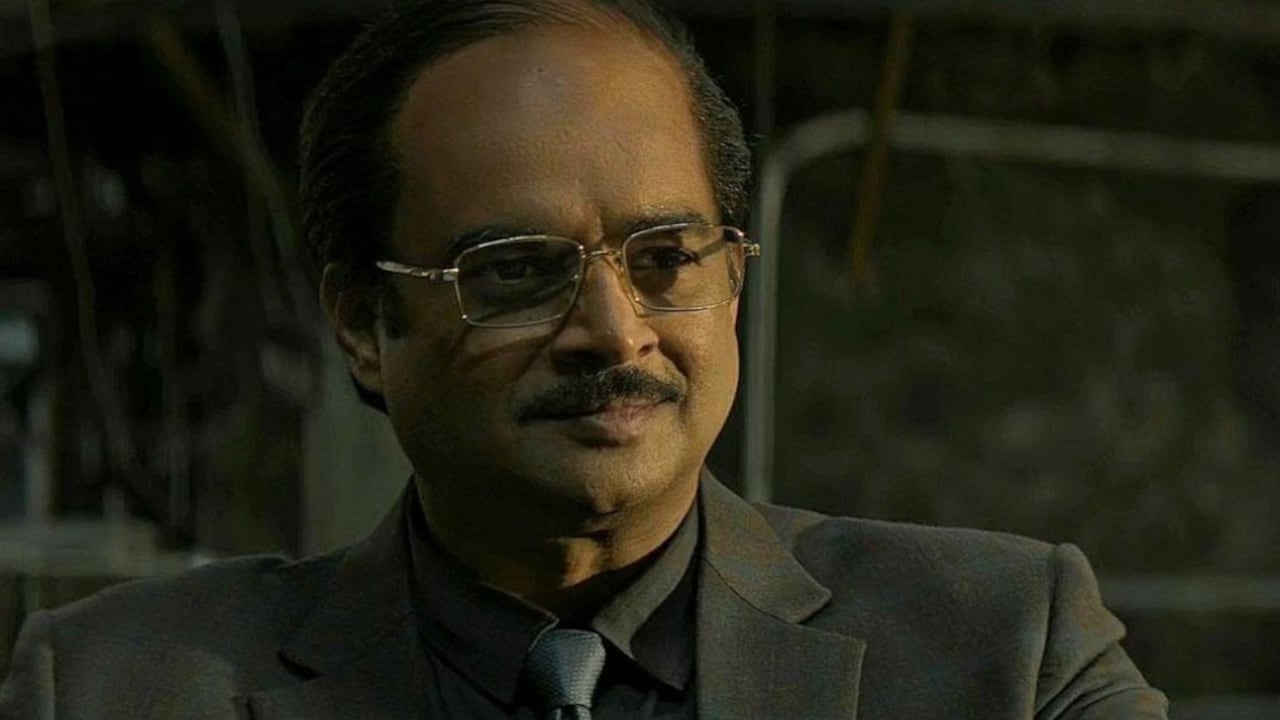
"That Cannot Be A Crime": R Madhavan On Dhurandhar 'Propaganda' Label
📰 RSS Feed Image
📖 Table of Contents
🎬 Latest Development: "It's Not a Crime": R Madhavan Addresses 'Propaganda' Claims for Dhurandhar & Rocketry
Madhavan defends film's narrative.
📋 What You Need to Know
In an era where cinematic narratives often spark intense debate, actor-filmmaker R Madhavan recently found himself at the forefront, defending his work against accusations of 'propaganda.' Known for his versatile performances and thoughtful approach to storytelling, Madhavan addressed the contentious 'propaganda' label attached to his films, particularly "Dhurandhar" and the critically acclaimed "Rocketry: The Nambi Effect." His stance is clear: an artist's primary responsibility is to portray stories as they are, without altering facts to fit a specific agenda. This defense comes at a time when biographical and historical films in India are increasingly scrutinized for their perceived biases, igniting a broader conversation about creative freedom, historical accuracy, and the audience's role in interpreting cinematic portrayals. Madhavan's comments underscore the delicate balance filmmakers must strike between artistic vision and public perception in a polarized media landscape.
🎭 Complete Story
R Madhavan's recent statements have reignited discussions surrounding the nature of biographical and historical films in contemporary Indian cinema. Addressing the 'propaganda' allegations leveled against his films, most notably "Dhurandhar" and the directorial debut "Rocketry: The Nambi Effect," Madhavan articulated a clear defense rooted in artistic integrity. He emphasized that his role as a storyteller is to present events and characters as authentically as possible, without succumbing to external pressures or predetermined narratives. "That cannot be a crime," he stated, referring to the act of simply telling a story based on available facts and perspectives. This assertion challenges the notion that every film with a strong point of view is inherently propaganda, suggesting instead that it's a genuine attempt to bring a specific story to light.
📊 Industry Analysis
The debate around 'propaganda' in Indian cinema is not new, but it has intensified significantly in recent years, particularly with the rise of films that align with or challenge dominant nationalistic narratives. Biographical dramas, historical epics, and films addressing socio-political issues are increasingly becoming flashpoints for cultural and ideological battles. The industry often grapples with the fine line between creative interpretation and historical revisionism. While filmmakers argue for their artistic license to explore stories from a specific perspective, critics and sections of the audience often demand a more neutral or multi-faceted portrayal, especially when historical figures or events are involved. This trend reflects a broader societal shift where cultural products are no longer just entertainment but often viewed through a political prism.
💬 Expert Commentary
"R Madhavan's defense is a crucial one for the industry," observes Dr. Anjali Sharma, a prominent film critic and cultural commentator. "He's articulating the fundamental right of a storyteller: to tell a story from a chosen perspective. Every biography, every historical account, by its very nature, involves selection and emphasis. The accusation of 'propaganda' often arises when a film's perspective challenges an established narrative or aligns too closely with a contemporary political discourse. However, judging a film purely on whether it perfectly balances all viewpoints is to misunderstand the art form. A director's job is to craft a compelling narrative, not necessarily to write a historical textbook. The audience, in turn, has the critical faculty to engage with the film's perspective, question it, and form their own conclusions. To label a film 'propaganda' simply because it champions a particular individual or viewpoint stifles artistic expression and reduces complex storytelling to a political football."
🔗 Related Context
The discussion around R Madhavan's films is part of a larger trend in Indian cinema where biographical and historical narratives frequently ignite debates about their authenticity and intent. Films like 'The Kashmir Files' and 'Article 370' have similarly faced intense scrutiny, lauded by some for shedding light on untold stories and criticized by others for perceived bias or 'propaganda.' This reflects a growing demand from audiences for stories rooted in real events, but also a heightened sensitivity to how those events are portrayed. Madhavan himself is no stranger to crafting impactful narratives, having been a part of films that tackle diverse subjects. 'Rocketry' marked his directorial debut, a passion project he dedicated years to, underscoring his deep commitment to telling Nambi Narayanan's story without compromise. His previous acting roles have often involved characters with strong convictions, making his current defense of storytelling principles consistent with his artistic persona. The global cinematic landscape also sees similar debates, from historical epics in Hollywood to politically charged documentaries, indicating a universal struggle with the interpretation and reception of fact-based narratives in entertainment.
🔍 Explore More Bollywood Content
Stay connected with the latest happenings in Hindi cinema:
Latest box office numbers and film business analysis
Inside stories and exclusive Bollywood entertainment news
Exclusive stories about your favorite Bollywood stars
💡 Visit Hindi Cinema News for more.
🎯 Key Takeaways
R Madhavan's resolute defense of his films, particularly "Dhurandhar" and "Rocketry: The Nambi Effect," against the 'propaganda' label highlights a critical juncture in contemporary Indian cinema. His assertion that an artist's role is to portray stories "as they are" underscores a profound commitment to creative integrity and factual presentation from a chosen perspective. This stance challenges the increasingly common tendency to politicize cinematic narratives, emphasizing the distinction between storytelling and agenda-driven content. While the debate around historical accuracy and artistic license will undoubtedly continue, Madhavan's comments serve as a powerful reminder of the filmmaker's right to tell stories with conviction. Ultimately, the reception of such films often lies in the audience's capacity for critical engagement, allowing them to interpret, question, and appreciate the artistic choices made. In a world hungry for compelling narratives, fostering an environment where artists can express themselves without fear of unwarranted labels is paramount for the evolution of cinema.
❓ Frequently Asked Questions
Q: When did this news break?
A: This story was reported today with comprehensive coverage as details emerge.
Q: What makes this significant?
A: This development represents an important moment in the Hindi film industry.
📢 Stay Updated
Don't miss breaking entertainment news! Follow us for real-time updates.
What's your take? Share your thoughts in the comments!
