
Anant Nag Explains Why He's Not Returning to Acting
🚨 Breaking Bollywood News Alert! Get the complete inside story. Updated September 17, 2026.
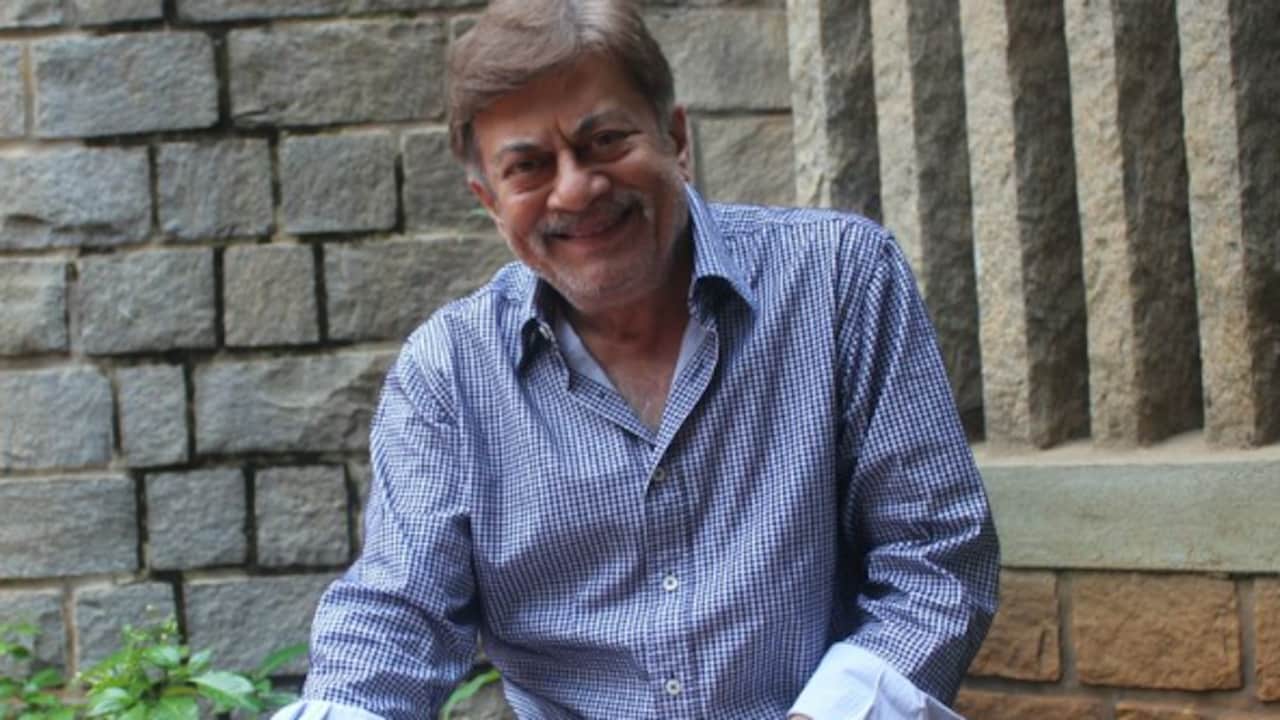
Why Dadasaheb Phalke Award Recipient Anant Nag Doesn't Want To Return To Acting
📰 RSS Feed Image
📖 Table of Contents
🎬 Latest Development: Dadasaheb Phalke Awardee Anant Nag Reflects on Cinema's Lost Soul
Veteran actor questions modern cinema.
📋 What You Need to Know
Veteran actor Anant Nag, a revered figure in Indian cinema and a recent recipient of the prestigious Dadasaheb Phalke Award, has candidly expressed his reluctance to return to acting. In a recent interview, Nag delved into the reasons behind his decision, offering a poignant reflection on the evolution of cinema and lamenting what he perceives as a departure from its original essence. His perspective offers a rare glimpse into the mind of an artist who has witnessed the industry's transformation firsthand, from its golden era to the contemporary landscape. Nag's insights are not merely a personal choice but a commentary on the changing priorities within filmmaking, where, in his view, the profound human connection and the art of storytelling have sometimes taken a backseat to mere entertainment. This sentiment resonates with many who feel that modern cinema, for all its technological advancements, often lacks the depth and soul of its predecessors.
🎭 Complete Story
Anant Nag, a name synonymous with nuanced performances and a career spanning over five decades, articulated his deep reservations about the current state of the film industry, explaining why he doesn't feel compelled to return to acting. His comments stem from a profound nostalgia for a time when cinema was about more than just entertainment; it was a mirror to society, a medium for introspection, and a powerful tool for social commentary. Nag recalled an era when filmmakers meticulously crafted stories that explored human emotions, societal issues, and philosophical dilemmas with great depth and sensitivity. The focus, he suggested, was on character development, intricate plots, and performances that genuinely moved audiences, rather than relying solely on spectacle or formulaic narratives. He lamented the shift towards what he views as a more superficial approach, where commercial success often overshadows artistic integrity and storytelling depth. For Nag, the magic of cinema lay in its ability to transport viewers into different worlds, provoke thought, and evoke genuine empathy. He implied that many contemporary films, driven by market demands and fleeting trends, often miss this crucial element, leading to a void that he finds creatively unfulfilling. This disillusionment with the present paradigm, where content is frequently designed for instant gratification rather than lasting impact, appears to be the primary driver behind his decision to step back from active participation.
📊 Industry Analysis
Anant Nag's perspective provides valuable insight into the generational shift and evolving philosophies within the Indian film industry. His reflections are not isolated; many seasoned veterans often voice similar concerns about the industry's trajectory. The transition from a predominantly artistic and socially conscious filmmaking era to a more commercial and entertainment-driven one has been gradual but significant. The rise of multiplex culture, the influence of global cinematic trends, and the increasing pressure for box-office returns have all contributed to this evolution. While modern cinema boasts advanced technology, slick production values, and often larger-than-life narratives, critics like Nag argue that it sometimes sacrifices the soul and depth that characterized earlier works. The emphasis has shifted from character-driven dramas to plot-driven thrillers, and from subtle storytelling to overt spectacle. Furthermore, the proliferation of content across various platforms has led to a demand for rapid production, potentially compromising the meticulous craftsmanship that Nag cherishes. This dynamic creates a challenging environment for actors who value contemplative roles and nuanced performances over fast-paced, often superficial, portrayals. Nag's stance highlights a broader artistic discontent with an industry that, while booming commercially, may be losing touch with its artistic roots and the profound impact it once had on society.
💬 Expert Commentary
"Anant Nag's statements resonate deeply with many cinephiles and veterans who have witnessed the transformation of Indian cinema," observes film historian and critic, M.K. Raghavendra. "His lament for a time when cinema was more than just entertainment speaks to a crucial point about artistic integrity versus commercial viability. The Dadasaheb Phalke Awardee embodies an era where films were often vehicles for social commentary, profound storytelling, and nuanced character studies. Today, with the pressures of box office and the rise of formulaic content, the focus has shifted. While there are still brilliant, content-driven films being made, the sheer volume of production driven by market demands means that the kind of cinema Nag cherishes is perhaps less prevalent. His decision reflects an artist's commitment to quality and meaning, rather than merely participating for the sake of it, and underscores the ongoing debate about the soul of cinema."
🔗 Related Context
Anant Nag's sentiments echo those of other legendary actors and filmmakers who have either taken a sabbatical or expressed disillusionment with the changing landscape of cinema. Icons like Soumitra Chatterjee or Girish Karnad, towards the latter part of their careers, often spoke about the diluted quality of scripts and the commercialization of art. Globally, figures like Martin Scorsese have also voiced concerns about the proliferation of "theme park" cinema over more profound storytelling. This isn't just about a change in genre or style, but a fundamental shift in the purpose and philosophy of filmmaking. Nag's position is therefore part of a larger, ongoing dialogue within the global film community about preserving the artistic integrity and social relevance of cinema in an age dominated by commercial pressures and technological spectacle.
🔍 Explore More Bollywood Content
Stay connected with the latest happenings in Hindi cinema:
Get the latest breaking news and updates from Hindi cinema
Exclusive stories about your favorite Bollywood stars
Comprehensive coverage of the Indian film industry
💡 Visit Hindi Cinema News for more.
🎯 Key Takeaways
Anant Nag's decision to step back from acting, despite his enduring legacy and recent Dadasaheb Phalke Award, serves as a powerful commentary on the evolving nature of Indian cinema. His reflections on a time when films were about more than mere entertainment — when they stirred souls and mirrored society — underscore a profound disillusionment with the industry's current trajectory. This veteran actor's perspective highlights a critical debate: has modern cinema, in its pursuit of commercial success and spectacle, lost some of its artistic depth and soul? Nag's stance is a poignant reminder that for some artists, the integrity of the craft and the meaning behind the narrative far outweigh the allure of screen time. His absence, therefore, is not just a personal choice but a symbolic protest, urging the industry to reflect on its foundational purpose and perhaps rediscover the magic that once made cinema a truly transformative art form.
❓ Frequently Asked Questions
Q: When did this news break?
A: This story was reported today with comprehensive coverage as details emerge.
Q: What makes this significant?
A: This development represents an important moment in the Hindi film industry.
📢 Stay Updated
Don't miss breaking entertainment news! Follow us for real-time updates.
What's your take? Share your thoughts in the comments!
