
Amish Tripathi: Warrior Sita is Ancient, Not New Ramayana Version
🚨 Bollywood News Update — 2026-11-26
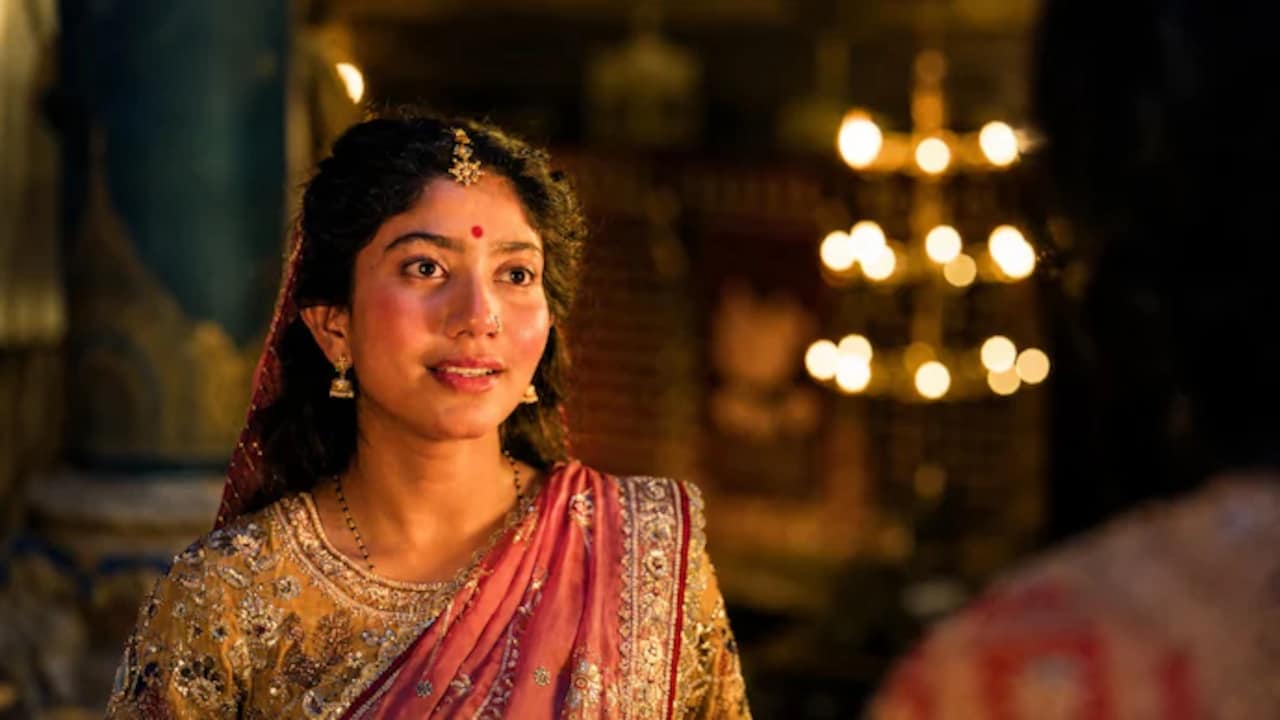
🎬 Latest Development: Amish Tripathi Unpacks the Ancient Truth of Ramayana's 'Warrior Sita'
Ramayana's diverse narratives, ancient roots.
📋 What You Need to Know
In a world increasingly eager for fresh perspectives on timeless tales, renowned author Amish Tripathi has ignited a fascinating discussion surrounding the epic Ramayana. Tripathi, celebrated for his immersive mythological retellings, recently asserted that the concept of a 'Warrior Sita' is far from a modern invention. Instead, he posits it as an ancient narrative often overlooked due to gaps in formal education. This provocative statement challenges the monolithic view many hold of the Ramayana, inviting readers to delve deeper into the myriad versions of this foundational Indian epic. His commentary underscores a critical point: our understanding of ancient texts is frequently limited by what is conventionally taught, leaving a wealth of diverse interpretations unexplored. Tripathi's stance encourages a broader, more inclusive appreciation of India's rich narrative heritage, suggesting that the past is far more complex and varied than commonly perceived.
🎭 Complete Story
Amish Tripathi's assertion that the 'Warrior Sita' narrative is ancient, not a modern embellishment, strikes at the heart of how cultural narratives are understood and transmitted. He highlights a crucial academic consensus: the Ramayana is not a single, immutable text but a vast tapestry woven from countless versions across millennia and geographies. From Valmiki's Sanskrit epic to Tulsidas's Awadhi Ramcharitmanas, and extending to the Thai Ramakien, the Lao Phra Lak Phra Lam, and the Indonesian Kakawin Ramayana, each iteration reflects the cultural, social, and philosophical nuances of its time and place. These variations often depict characters with differing attributes and motivations, including a Sita who is far from a passive figure. Historical evidence, including ancient sculptures and folk tales, reveals instances where Sita is portrayed with immense strength, leadership, and even martial prowess, actively participating in her own rescue or demonstrating strategic acumen. Tripathi argues that the modern tendency to homogenize the Ramayana into a singular, often simplified, narrative is a disservice to its true complexity. This homogenization, he suggests, is largely a byproduct of formal education systems that prioritize a canonical version, thereby inadvertently erasing the rich tapestry of regional and oral traditions. By advocating for the recognition of these diverse, ancient narratives, Tripathi not only champions artistic freedom in reinterpreting myths but also encourages a deeper, more nuanced engagement with India's literary heritage, urging audiences to look beyond superficial interpretations and appreciate the dynamic evolution of these epic stories.
📊 Industry Analysis
The literary and cultural "industry" surrounding mythological narratives is experiencing a profound transformation, largely driven by authors like Amish Tripathi. His work, and his recent comments, exemplify a growing trend of re-engaging with ancient texts not as static historical artifacts but as living, evolving stories. Publishers are increasingly investing in mythological fiction, recognizing a robust market for accessible yet thought-provoking reinterpretations. This surge is fueled by a public eager to connect with their heritage in contemporary ways, often through narratives that challenge conventional portrayals. However, this reinterpretation isn't without its challenges. Authors often navigate a delicate balance between artistic license and cultural sensitivity, facing scrutiny from traditionalists who view any deviation from established canons as sacrilege. Tripathi's emphasis on the *ancient* origins of diverse interpretations, such as 'Warrior Sita,' is a strategic move that legitimizes modern retellings by grounding them in historical precedent. This approach not only broadens the appeal of mythological fiction but also sparks critical discussions about textual authority, cultural ownership, and the role of popular culture in shaping collective memory. The success of this genre demonstrates a powerful demand for narratives that reflect contemporary values while remaining rooted in profound cultural traditions, pushing the boundaries of what is considered "authentic" in storytelling.
💬 Expert Commentary
Leading mythologists and Indology scholars often concur with Amish Tripathi's fundamental premise regarding the multiplicity of Ramayana versions. Experts like A.K. Ramanujan, whose seminal essay "Three Hundred Ramayanas" highlighted the vast textual diversity, have long championed the idea that no single Ramayana can claim definitive status. "The Ramayana is not a book; it is a tradition," as many scholars often reiterate, emphasizing its fluidity across oral, written, and performative traditions. They point to the inherent nature of ancient epics, which were often regional adaptations, oral compositions, and philosophical interpretations, evolving to suit local customs, languages, and belief systems. For instance, the Jaina Ramayanas depict Rama and Ravana in a different moral light, while various folk traditions imbue characters like Sita with agency and strength rarely seen in more standardized versions. Academic discourse consistently stresses the importance of understanding these variations to grasp the full scope of India's cultural mosaic. This scholarly consensus supports Tripathi's argument that a 'Warrior Sita' is not an aberration but a legitimate, albeit less widely known, aspect of the Ramayana's ancient narrative landscape, urging for an education system that embraces this rich textual diversity rather than enforcing a singular, often reductive, interpretation.
🎯 Key Takeaways
Amish Tripathi's powerful advocacy for the ancient origins of diverse Ramayana narratives, particularly concerning a 'Warrior Sita,' serves as a timely reminder of the fluid and multifaceted nature of our cultural heritage. His argument challenges the narrow perspectives often fostered by conventional education, urging us to recognize the vast tapestry of interpretations that have shaped these epics across millennia. By affirming that 'Warrior Sita' is not a modern innovation but an echo from antiquity, Tripathi not only legitimizes contemporary retellings but also encourages a deeper, more critical engagement with historical and mythological texts. This nuanced understanding is crucial for fostering cultural literacy and appreciating the dynamic evolution of storytelling. Ultimately, Tripathi's insights invite us to broaden our horizons, embrace the inherent diversity of ancient traditions, and acknowledge that the greatest stories are those that continue to live, breathe, and transform through countless retellings, each offering a unique window into the human experience.
📢 Stay Updated
Follow Hindi Cinema News for entertainment updates. Share your thoughts in the comments.
