
Apoorva Mukhija Exposes Exhausting Reality of Influencer Parties
🚨 Bollywood News Update — 2026-11-13
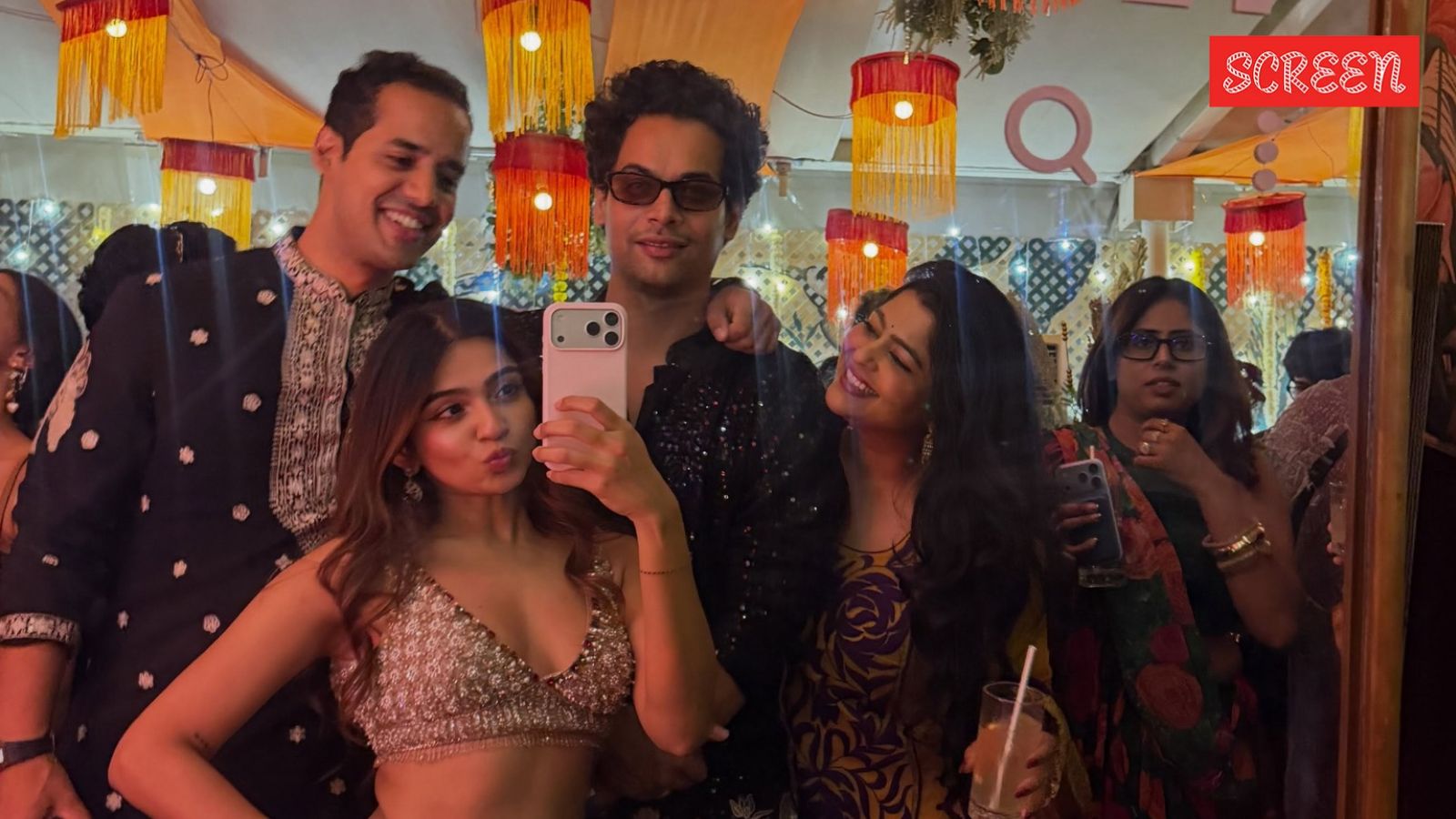
🎬 Latest Development: Beyond the Glamour: Apoorva Mukhija Reveals the Staged Reality of Influencer Parties
Influencer Parties: No Fun, All Work
📋 What You Need to Know
The glittering world of social media influencers often appears to be an endless reel of luxury, excitement, and exclusive events. From product launches to high-profile brand collaborations, influencer parties are curated spectacles designed to capture aspirational content. However, behind the perfectly filtered smiles and carefully posed photos, a different, more draining reality often exists. Popular content creator Apoorva Mukhija recently pulled back the curtain on this facade, candidly sharing her experience that these events are far from the spontaneous fun they seem. Her striking statement – "Nobody dances or eats" – has resonated deeply, sparking conversations about the performative nature of the influencer industry and the exhausting pressures faced by creators.
🎭 Complete Story
Apoorva Mukhija’s recent revelation has sent ripples through the digital creator community, challenging the often-mythologized image of influencer life. Her pointed observation that "nobody dances or eats" at these seemingly lavish gatherings highlights a critical disconnect: these aren't social events in the traditional sense, but rather highly structured content creation opportunities. Attendees aren't there to genuinely mingle, enjoy food, or let loose on the dance floor. Instead, the primary objective is to capture aspirational content, network strategically, and fulfill brand obligations. This translates into a scene where influencers are constantly "on," camera-ready, meticulously planning their angles, and interacting in ways that are optimized for their respective platforms. The pressure to generate engaging posts, stories, and reels means every moment is a potential piece of content, stripping away any possibility of authentic enjoyment.
The "exhausting reality" Mukhija speaks of stems from this relentless performativity. Imagine attending an event where genuine interaction is secondary to capturing the perfect shot for Instagram or a viral moment for TikTok. Conversations are often superficial, geared towards professional connections rather than personal rapport. Meals might go untouched because eating could smudge makeup, disrupt a pose, or simply take time away from critical networking or content creation. Dancing is often replaced by controlled movements designed for video clips, or simply observing others while waiting for a photo opportunity. This constant state of vigilance and strategic engagement can be mentally taxing, turning what appears to be a party into a demanding work assignment. The vibrant energy seen in posts is often a carefully constructed illusion, leaving creators feeling drained rather than refreshed, highlighting the significant gap between perception and reality in the influencer sphere.
📊 Industry Analysis
Apoorva Mukhija's insights underscore a broader trend within the rapidly evolving influencer marketing industry. What began as a space for authentic voices has increasingly become a highly commercialized and professionalized field. Brands invest heavily in influencer events, expecting tangible returns in the form of reach, engagement, and aspirational content that aligns with their image. This commercial pressure trickles down to individual creators, who are essentially micro-entrepreneurs responsible for their own personal brand and deliverables. The "party" becomes a stage, where creators are both performers and content producers, meticulously crafting narratives that uphold their online persona and satisfy brand requirements.
This dynamic creates an environment where authenticity is often sacrificed for aesthetic perfection and strategic networking. The desire to maintain a pristine digital image, coupled with the competitive nature of the industry, means influencers are constantly striving to outdo each other, not in terms of genuine connection, but in the polish and perceived glamour of their content. The lines between personal life and professional obligation blur completely, leading to an "always-on" culture that can be detrimental to mental well-being. The industry's reliance on metrics like engagement rates and follower counts further incentivizes performativity over genuine interaction, fostering an environment where real human connections are secondary to digital impressions. Mukhija's candidness serves as a crucial reminder that the dazzling surface of influencer marketing often conceals a complex, demanding, and sometimes isolating professional reality.
💬 Expert Commentary
"Apoorva Mukhija's statement provides a stark, yet necessary, glimpse into the psychological toll of the influencer industry," explains Dr. Anya Sharma, a digital marketing psychologist. "What we're witnessing is a phenomenon where individuals are constantly performing a version of themselves for an audience, even in supposedly social settings. This chronic performativity can lead to significant emotional exhaustion, a sense of detachment, and even identity confusion. When your entire social life becomes an extension of your work, the boundaries erode, leaving little room for genuine self-expression or relaxation."
She continues, "The pressure to create aspirational content, to always look perfect, and to engage in strategic networking rather than authentic connection is immense. It fosters an environment where perceived success is prioritized over personal well-being. This isn't just about 'influencer burnout'; it's about the fundamental redefinition of social interaction within a commercialized digital landscape. For the industry to mature sustainably, there needs to be a greater emphasis on fostering authentic engagement and creating spaces where creators can truly connect, rather than simply produce content." This perspective highlights the critical need for a shift towards more human-centric practices within the influencer ecosystem.
🎯 Key Takeaways
Apoorva Mukhija's candid revelation that "nobody dances or eats" at influencer parties serves as a powerful testament to the often-hidden realities of the digital creator world. Her statement peels back the layers of glamour, exposing a professional landscape where performativity often overshadows genuine enjoyment and connection. These events, far from being carefree social gatherings, are meticulously crafted content opportunities, demanding constant vigilance and strategic engagement from creators. This constant pressure to be "on" and to produce aspirational content takes a significant toll, contributing to mental exhaustion and blurring the lines between work and personal life. As the influencer industry continues to mature, Mukhija's insights, alongside a growing movement for authenticity, underscore the urgent need for a more transparent and human-centric approach. Ultimately, fostering an environment where genuine connection and well-being are prioritized over mere impressions will be crucial for the long-term sustainability and credibility of influencer marketing.
📢 Stay Updated
Follow Hindi Cinema News for entertainment updates. Share your thoughts in the comments.
