
Ayushmann Reveals 'Yeh Prem Mol Liya's' Hidden Chhath Ritual
🚨 Bollywood News Update — 2026-11-19
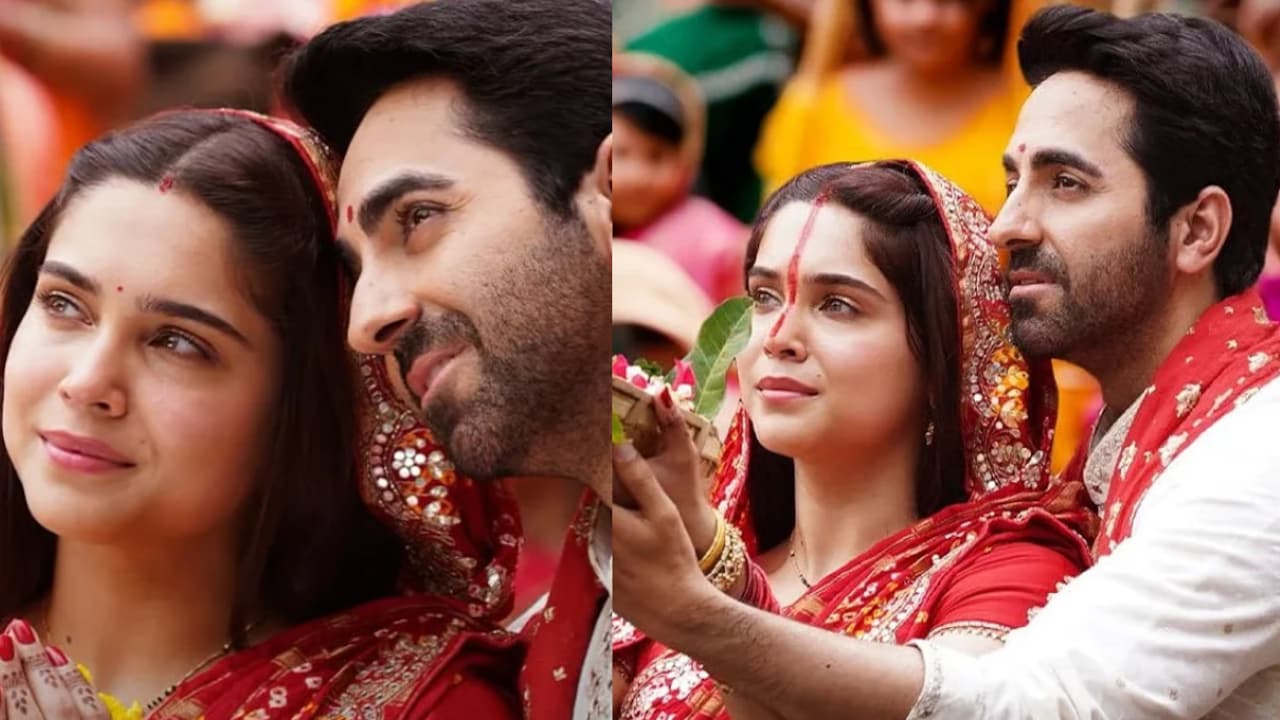
🎬 Latest Development: Beyond the Ghats: Ayushmann Khurrana Unveils 'Yeh Prem Mol Liya's' Secret Chhath Puja Tradition
Chhath Puja: More Than A Backdrop?
📋 What You Need to Know
Ayushmann Khurrana, known for his ability to select nuanced scripts, is once again making headlines with his upcoming film, *Yeh Prem Mol Liya*. While the film's premise has intrigued audiences, it's Khurrana's recent revelation to NDTV that has sparked significant discussion. He addressed whether the revered Chhath Puja, prominently featured in the film's backdrop, is merely an aesthetic element or if it holds a profound cultural and narrative significance. Khurrana confirms the latter, hinting at a "little-known ritual" that forms the emotional core of the story, promising a deeper exploration of devotion, sacrifice, and community spirit that goes beyond conventional cinematic portrayals of this sacred festival.
🎭 Complete Story
In a candid conversation with NDTV, Ayushmann Khurrana delved into the heart of *Yeh Prem Mol Liya*, clarifying that Chhath Puja is far from a mere visual spectacle in the film. He revealed that the narrative intricately weaves in a specific, lesser-known ritual associated with the Kosi Bharai ceremony, traditionally performed on the night before the main Arghya. While Kosi Bharai typically involves lighting lamps under sugarcane stalks to invoke blessings, Khurrana explained that the film focuses on a deeply personal and ancestral tradition passed down through generations within the protagonist's family. This particular ritual involves a silent, unwavering vow (Sankalp) taken by the *Vratin* (devotee) while meticulously preparing the *thekua* (a traditional sweet offering) – a vow that carries immense personal sacrifice and is known only to a select few within the family.
Ayushmann emphasized that this hidden ritual isn't just an anecdotal detail; it is the linchpin of the film’s emotional arc, symbolizing the unspoken burdens and profound devotion of its characters. He elaborated that this secret offering, often a personal sacrifice or a deeply held desire offered in silent prayer, dictates the protagonist’s actions and choices throughout the story, making the Chhath Puja not just a setting but a dynamic, living entity within the plot. Khurrana asserted that his team conducted extensive research, collaborating with cultural experts and local communities in Bihar, to ensure an authentic and respectful portrayal. This commitment to detail, he believes, will allow audiences to connect with the spiritual depth and human resilience inherent in Chhath Puja, transforming it from a backdrop into a powerful narrative force that drives the film's central themes of love, faith, and redemption.
📊 Industry Analysis
Bollywood's relationship with cultural festivals has often been a double-edged sword. For decades, festivals like Diwali, Holi, or Eid have served as vibrant backdrops for song-and-dance sequences, family reunions, or dramatic confrontations. While these depictions add color and familiarity, they frequently skim the surface, prioritizing aesthetic appeal over authentic cultural or spiritual depth. Many films use festivals merely as plot devices to advance romances or create celebratory moods, rarely delving into the intricate rituals, socio-cultural significance, or personal sacrifices involved. This trend often leads to generic portrayals that, while visually appealing, fail to resonate with audiences seeking genuine representation.
However, there has been a noticeable shift in recent years. Filmmakers are increasingly recognizing the potential of festivals to enrich narratives with cultural nuance and emotional gravitas. Movies like *Gangs of Wasseypur*, with its raw portrayal of local festivals, or *Bajirao Mastani*, which subtly integrated religious ceremonies, demonstrated that authenticity can significantly elevate storytelling. *Yeh Prem Mol Liya*, with Ayushmann Khurrana's revelation, appears to be part of this evolving cinematic landscape. By focusing on a "little-known ritual" within Chhath Puja, the film is poised to move beyond superficial representation, offering a more immersive and respectful exploration of a sacred tradition. This approach not only educates and engages a wider audience but also sets a higher standard for cultural depiction in mainstream cinema, challenging the industry to treat such rich traditions with the depth they deserve.
💬 Expert Commentary
Dr. Anjali Sharma, a renowned cultural anthropologist specializing in Indian rituals, expressed optimism about Khurrana's approach. "For too long, mainstream cinema has reduced complex festivals to pretty visuals," Dr. Sharma states. "Ayushmann Khurrana's commitment to showcasing a 'little-known ritual' like a specific ancestral vow within Kosi Bharai is a game-changer. It elevates Chhath Puja from a mere setting to a profound cultural experience, allowing audiences to understand the personal stakes and deep-rooted devotion involved." She further added, "Such accurate and empathetic portrayals are crucial. They not only educate a national audience about regional traditions but also foster a sense of respect and understanding. When a film delves into the intricacies of a ritual, it humanizes the practitioners and highlights the underlying philosophies of sacrifice, purity, and unwavering faith that define these practices. This move can significantly counter the superficial narratives often perpetuated."
🎯 Key Takeaways
Ayushmann Khurrana's insights into *Yeh Prem Mol Liya* underscore a refreshing commitment to cultural authenticity in Bollywood. His revelation about the film's focus on a "little-known ritual" within Chhath Puja's Kosi Bharai ceremony signifies a departure from superficial portrayals, promising a narrative deeply rooted in genuine tradition and emotional sacrifice. This approach not only enriches the film's storytelling but also sets a benchmark for how sacred festivals can be respectfully integrated into mainstream cinema, moving beyond mere backdrops to become integral, driving forces of the plot. By shedding light on the silent vows and personal devotions that define such rituals, *Yeh Prem Mol Liya* has the potential to offer audiences a profound understanding of faith, culture, and the human spirit, fostering greater appreciation for India's diverse heritage.
📢 Stay Updated
Follow Hindi Cinema News for entertainment updates. Share your thoughts in the comments.
