
Diljit Dosanjh's Indore Concert Controversy: 'Kisi Ke Baap Ka Hindustan Thodi Hai'
🚨 Bollywood News Update — 2026-11-15
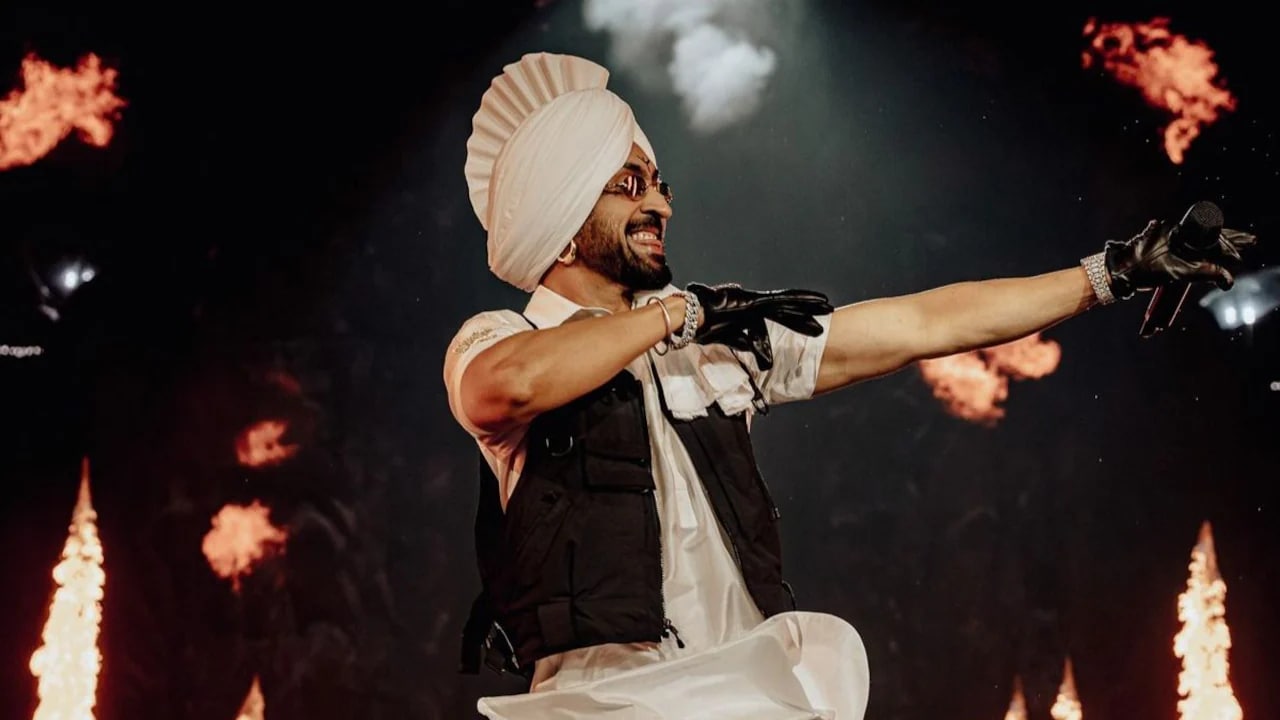
🎬 Latest Development: "Kisi Ke Baap Ka Hindustan Thodi Hai": Diljit Dosanjh's Fiery Stand Against Indore Concert Restrictions
Diljit Defends Artistic Freedom In Indore
📋 What You Need to Know
The electrifying atmosphere at Diljit Dosanjh's Indore concert recently took an unexpected turn, sparking a nationwide debate. The celebrated Punjabi singer, known for his infectious energy and chart-topping hits, appeared visibly displeased when informed of directions barring him from performing four specific songs at the event. Addressing the massive crowd, a frustrated Dosanjh passionately declared, "Kisi Ke Baap Ka Hindustan Thodi Hai" (This isn't anyone's father's India), a powerful statement that immediately went viral. This incident has not only highlighted the immense pressure artists face but also reignited crucial conversations about artistic freedom, censorship, and the boundaries of creative expression in India's vibrant entertainment landscape. His defiant stance resonated deeply with fans and critics alike, turning a concert into a moment of cultural significance.
🎭 Complete Story
The incident unfolded during Diljit Dosanjh's much-anticipated performance in Indore, part of his ongoing concert series. As the night progressed and the crowd was immersed in his signature blend of Punjabi pop and soulful melodies, an unforeseen interruption occurred. According to reports and Dosanjh's own address to the audience, instructions were conveyed to him, presumably from local organizers or authorities, to refrain from performing four particular songs. While the exact titles of these songs were not explicitly named, the implication was that they were deemed objectionable by certain entities. Visibly agitated by this unexpected directive, Diljit paused his performance. He then took to the microphone, his voice tinged with frustration but also unwavering resolve. In a candid interaction with his fans, he expressed his disappointment, articulating his belief that art should not be subjected to such arbitrary restrictions. His now-iconic line, "Kisi Ke Baap Ka Hindustan Thodi Hai," was delivered with conviction, emphasizing that India belongs to everyone and artistic expression should not be dictated by a select few. The audience responded with thunderous applause and cheers, clearly siding with their beloved artist. This spontaneous act of defiance quickly transcended the concert venue, dominating social media discussions and drawing widespread attention to the challenges faced by performers in maintaining their creative integrity amidst external pressures. The incident underscored Diljit Dosanjh's commitment to artistic liberty and his willingness to use his platform to speak truth to power.
📊 Industry Analysis
The incident at Diljit Dosanjh's Indore concert is not an isolated event but rather a symptom of a larger trend within India's entertainment industry. Over recent years, artists, filmmakers, and musicians have increasingly found themselves navigating a complex web of cultural sensitivities, political pressures, and moral policing. Live performances, in particular, are vulnerable to last-minute interventions from various groups who claim to represent public sentiment or specific cultural values. This climate of self-censorship and external control often forces artists to tread carefully, sometimes compromising their creative vision to avoid backlash or outright cancellation. The rise of social media has amplified these incidents, turning local disputes into national headlines and putting immense pressure on both artists and event organizers. While some argue for responsible content creation, the line between constructive criticism and undue interference often blurs, leading to an environment where innovation and artistic experimentation are stifled. The fear of protests, legal action, or public outrage can deter artists from exploring controversial themes or even performing widely accepted material if it's deemed offensive by a vocal minority. This stifles the creative ecosystem, making it harder for new talent to emerge and for established artists to push boundaries. Diljit Dosanjh's courageous stand, therefore, resonates deeply within the industry, highlighting the urgent need for a more robust framework that champions artistic freedom while fostering respectful dialogue.
💬 Expert Commentary
"Diljit Dosanjh's bold statement at his Indore concert serves as a stark reminder of the escalating challenges to artistic freedom in India," states Dr. Anya Sharma, a prominent cultural critic and author. "When an artist of his stature, who enjoys widespread appeal across demographics, faces such direct attempts at censorship, it sends a chilling message across the entire creative community. It's not merely about four songs; it's about the fundamental right to express oneself without fear of arbitrary restrictions or external dictation. This incident underscores a growing tension where artistic integrity is constantly pitted against the demands of various cultural or political groups. The public's overwhelming support for Diljit also indicates a strong societal desire for unhindered artistic expression. For artists, navigating these pressures is becoming increasingly difficult, often forcing them into a precarious balance between creative authenticity and commercial viability. This situation demands a re-evaluation of how we protect and promote artistic liberty within democratic frameworks, ensuring that diverse voices can thrive without undue interference." Legal experts also point to Article 19(1)(a) of the Indian Constitution, which guarantees freedom of speech and expression, arguing that such concert restrictions often infringe upon these fundamental rights.
🎯 Key Takeaways
Diljit Dosanjh's powerful declaration, "Kisi Ke Baap Ka Hindustan Thodi Hai," at his Indore concert transcended a mere frustration, becoming a rallying cry for artistic freedom in India. His courageous stand against attempts to restrict his performance underscored the persistent challenges faced by artists in a climate often characterized by cultural policing and external pressures. The incident not only highlighted the immediate struggle of a performer but also ignited a vital conversation about the broader implications for creative expression and the fundamental rights of artists. As the entertainment industry continues to evolve, Diljit's unwavering commitment to his art serves as an inspiration, reminding us that true artistic integrity often demands defiance. Ultimately, this episode calls for a more tolerant and understanding environment where art can flourish freely, reflecting the diverse voices and narratives that truly constitute the vibrant fabric of Hindustan.
📢 Stay Updated
Follow Hindi Cinema News for entertainment updates. Share your thoughts in the comments.
