
Gujarat's Dosanjh Advisory: Concert Rules & Child Safety
🚨 Bollywood News Update — 2026-11-13
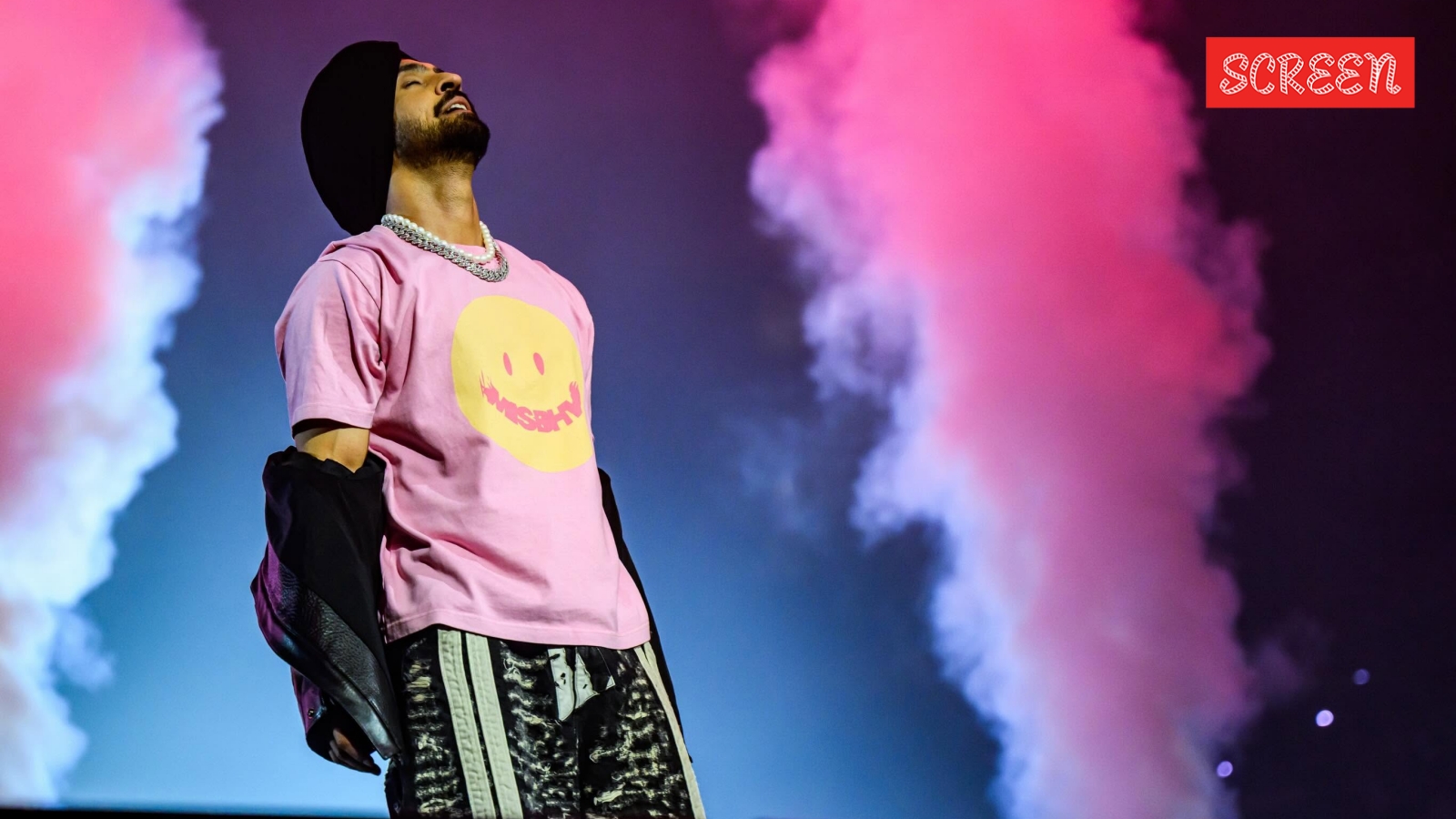
🎬 Latest Development: Diljit Dosanjh Concert Under Scrutiny: Gujarat Issues Strict Advisory on Content and Child Participation
Dosanjh faces Gujarat concert rules.
📋 What You Need to Know
Diljit Dosanjh, the global Punjabi music sensation, is no stranger to massive crowds and enthusiastic fans. His upcoming concerts in Gujarat, however, arrive with a unique set of guidelines from the state authorities. The Gujarat State Child Rights Protection Commission (GSCRPC) has issued a specific advisory, urging event organizers and Dosanjh's team to ensure that no songs promoting alcohol or drugs are performed, and crucially, that children are not called onto the stage during the performances. This directive highlights a growing emphasis on responsible entertainment, particularly concerning the potential influence on younger audiences. As artists navigate the complexities of diverse regional sensitivities, this advisory sets a precedent, sparking conversations about artistic freedom, child protection, and the evolving landscape of live music events in India.
🎭 Complete Story
The advisory from the Gujarat State Child Rights Protection Commission (GSCRPC) to Diljit Dosanjh and his concert organizers is a direct and unambiguous call for heightened vigilance during his performances in the state. At its core, the directive seeks to safeguard children from potentially harmful content and exploitation. The primary mandates are twofold: a strict prohibition on songs that glorify or promote alcohol and drug consumption, and an explicit instruction against inviting children onto the stage. The GSCRPC emphasized that such acts, even if seemingly innocuous, could inadvertently expose minors to inappropriate themes or place them in vulnerable situations.
This move by Gujarat's child rights body is not an isolated incident but rather indicative of a broader regulatory trend in India, where public entertainment is increasingly scrutinized for its societal impact. Diljit Dosanjh's immense popularity, particularly among youth, makes him a significant cultural influencer, thereby amplifying the perceived need for such advisories. While the artist himself has not yet publicly responded to the advisory, the onus now falls on the event organizers to meticulously review the setlist and stage protocols to ensure full compliance. Non-compliance could lead to legal repercussions and tarnish the artist's public image.
The advisory also brings into focus the cultural and regulatory environment of Gujarat, which has long upheld strict policies regarding alcohol, being a 'dry state.' This existing framework naturally extends to content moderation in public performances. Event managers are now tasked with the delicate balance of delivering an electrifying performance while adhering to these specific guidelines, which could potentially necessitate changes to popular song choices or customary audience interactions. This situation underscores the evolving responsibilities of artists and organizers in a nation increasingly sensitive to cultural norms and child welfare.
📊 Industry Analysis
The Gujarat advisory to Diljit Dosanjh sends ripples through the Indian music and entertainment industry, prompting a re-evaluation of content standards for live performances. For an industry that thrives on artistic expression and connecting with diverse audiences, such directives present a complex challenge. Artists, especially those with a global following like Dosanjh, often curate setlists that reflect their entire body of work, which might include tracks with nuanced themes that could be interpreted differently across regions. The prohibition on alcohol and drug-related songs, while aligning with specific state policies like Gujarat's dry law, raises questions about artistic freedom versus local censorship.
This incident is likely to push event organizers towards more stringent pre-screening processes for artist performances, including detailed discussions about song lyrics and stage interactions. It could lead to a future where artists might need to prepare different setlists for different states, adding layers of logistical complexity and potentially diluting the spontaneity of live shows. Furthermore, the explicit ban on calling children on stage highlights a growing awareness of child protection issues in public events. While often done with good intentions, involving minors in performances without proper safeguards can indeed pose risks.
The broader implication is a potential shift towards self-censorship within the industry to avoid controversies and legal battles. Music producers and lyricists might become more cautious about themes they explore, especially if their target audience includes children or if they intend for widespread national tours. This could stifle creativity but also foster a more responsible approach to content creation. The industry will need to strike a delicate balance between maintaining artistic integrity and adhering to the increasing demands for socially conscious entertainment, particularly when performing in culturally sensitive regions.
💬 Expert Commentary
"This advisory from the Gujarat State Child Rights Protection Commission is a significant step towards safeguarding children in public spaces, including entertainment events," states Dr. Anjali Sharma, a leading child rights advocate and legal expert. "While artistic freedom is paramount, it cannot supersede the fundamental rights and protection of minors. Inviting children on stage, even for a brief moment, often lacks proper consent protocols, background checks, and adequate supervision, potentially exposing them to various forms of risk or exploitation. Similarly, normalizing or glorifying substance use through music, especially to an impressionable young audience, can have long-term detrimental effects."
Dr. Sharma further elaborates, "This isn't about stifling creativity but about promoting responsible entertainment. Artists, given their immense influence, have a moral and ethical obligation to consider the impact of their content on all audience segments, particularly children. The entertainment industry must develop clearer guidelines and robust policies for child participation in live events, ensuring that their involvement is always voluntary, supervised, and aligns with their best interests. This advisory serves as a potent reminder that regulatory bodies are increasingly vigilant about content appropriateness and child welfare in the evolving digital and live performance landscape."
🎯 Key Takeaways
The Gujarat State Child Rights Protection Commission's advisory to Diljit Dosanjh marks a pivotal moment in the ongoing conversation about artistic liberty versus social responsibility in India's live entertainment scene. While Dosanjh's popularity is undeniable, the directive underscores the critical need for artists and organizers to prioritize child protection and adhere to regional cultural sensitivities. The prohibition on alcohol/drug-themed songs and involving children on stage serves as a powerful reminder of the profound impact public figures have on impressionable audiences. This incident will undoubtedly prompt a re-evaluation of content guidelines, setlist curation, and audience interaction protocols across the industry. Moving forward, a balanced approach is essential – one that respects artistic expression while upholding ethical standards and safeguarding the well-being of all concert-goers, especially minors. The entertainment sector must adapt, fostering an environment where creativity thrives responsibly.
📢 Stay Updated
Follow Hindi Cinema News for entertainment updates. Share your thoughts in the comments.
