
Hanuman as India's Iron Man: Namit Malhotra's Vision
🚨 Bollywood News Update — 2026-11-22
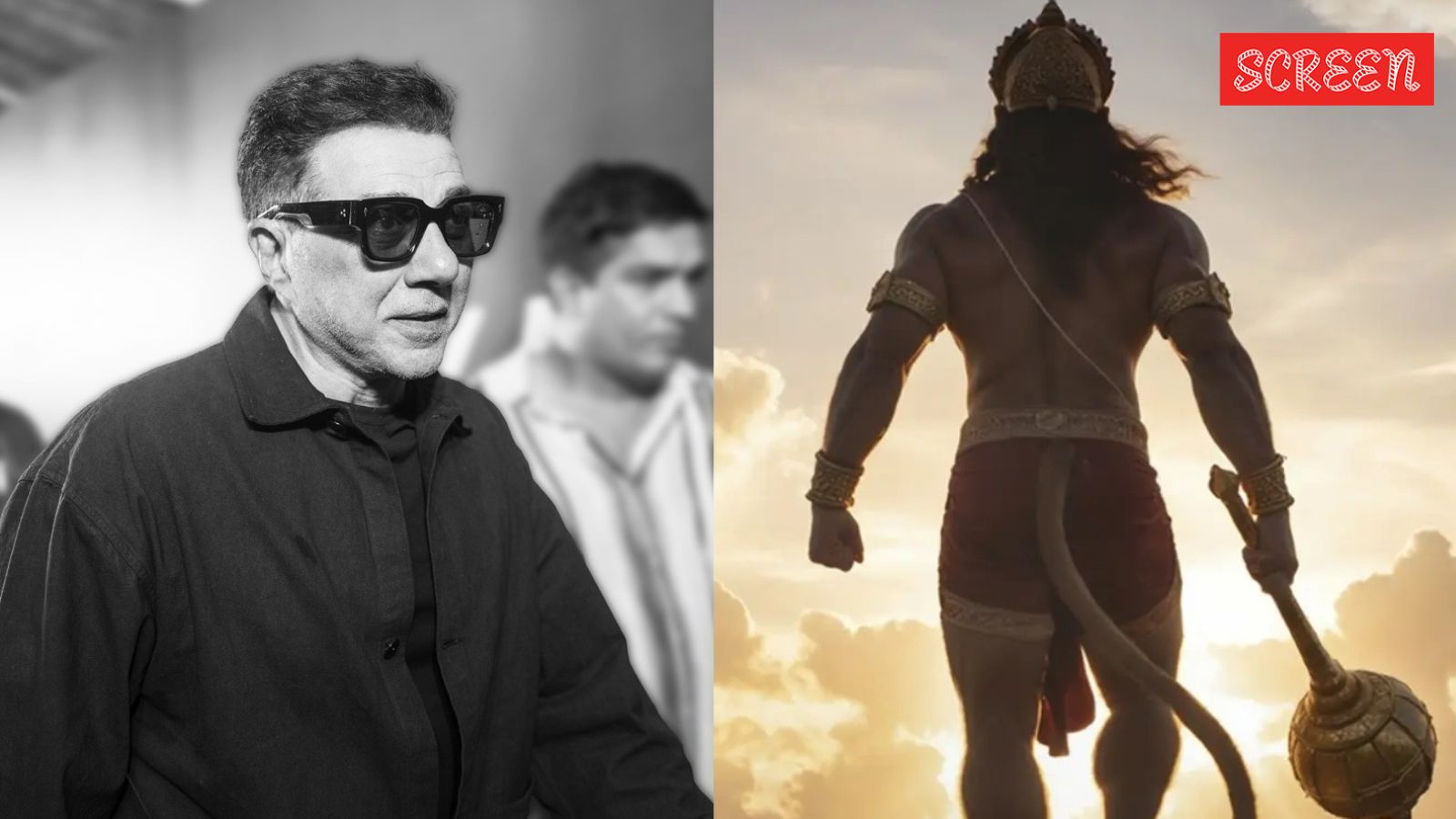
🎬 Latest Development: "Hanuman is Our Iron Man": Namit Malhotra on Modernizing Ramayana with Sunny Deol
Reimagining Hanuman for a Global Audience.
📋 What You Need to Know
In a bold and visionary statement, Namit Malhotra, the CEO of Prime Focus Technologies and DNEG, has articulated an ambitious goal for his upcoming adaptation of the Ramayana. Drawing a fascinating parallel, Malhotra posits that "Hanuman is our Iron Man," hinting at a contemporary, universally resonant portrayal of the revered deity, especially through the character embodying Sunny Deol. This comparison isn't merely a catchy tagline; it signals a profound shift in how ancient Indian epics are being approached for modern audiences, aiming to bridge cultural divides and captivate a global viewership with narratives that blend timeless wisdom with contemporary superhero appeal. Malhotra's vision promises a Ramayana that is both deeply rooted in tradition and dynamically relevant to today's cinematic landscape, setting high expectations for this monumental project.
🎭 Complete Story
Namit Malhotra’s analogy of Hanuman as India's Iron Man is a strategic masterstroke, aiming to instantly communicate the character's profound strength, unwavering loyalty, and indispensable role within the epic. Just as Iron Man became a foundational pillar of the Marvel Cinematic Universe, Hanuman represents an unparalleled blend of power, intellect, and devotion in the Ramayana. Malhotra envisions a Hanuman who resonates with a generation accustomed to complex, powerful, yet relatable heroes. This isn't about literal translation but about capturing the essence: Hanuman's heroic deeds, his strategic mind, and his emotional depth, all presented through a modern lens that emphasizes his agency and impact. The casting of Sunny Deol, known for his robust screen presence and intense performances, further amplifies this vision. Deol's ability to portray both raw power and underlying vulnerability could lend a multi-dimensional quality to Hanuman, moving beyond a purely mythological depiction to one that feels grounded and impactful.
The ambition behind this project is to take one of India's most cherished narratives and present it with a cinematic grandeur and storytelling sophistication that appeals to a global audience without diluting its spiritual core. Malhotra, whose DNEG studio is renowned for its Oscar-winning VFX work on Hollywood blockbusters, brings a unique perspective to this endeavor. He understands the language of global cinema and the expectations of a modern audience for spectacle and character development. By framing Hanuman within the archetype of a modern superhero, Malhotra is consciously attempting to make the Ramayana accessible and exciting to those who might be unfamiliar with its intricacies, while simultaneously offering a fresh perspective to those who hold it dear. This approach seeks to unlock new layers of interpretation, allowing the epic's universal themes of good versus evil, duty, and devotion to shine through in a compelling, visually stunning narrative that transcends cultural boundaries. The goal is clear: to elevate Indian mythology onto the global stage, making its heroes as iconic and beloved as any Western counterpart.
📊 Industry Analysis
The Indian entertainment industry is currently witnessing a significant resurgence in the adaptation of mythological epics, propelled by technological advancements and a growing appetite for grand narratives. While projects like *Adipurush* faced considerable backlash for their creative liberties and perceived misinterpretations, others like *Brahmastra* have attempted to blend ancient lore with contemporary fantasy, albeit with mixed commercial success. The challenge lies in balancing fidelity to the source material with the demands of modern storytelling and visual effects. Namit Malhotra’s Ramayana project enters this landscape with the backing of DNEG, a global leader in VFX, which could be its distinct advantage. The industry recognizes the immense potential in India's rich mythological treasury, but also the high stakes involved. Audiences, particularly in India, have deep emotional and cultural connections to these stories, making them highly critical of any perceived missteps.
The global success of superhero franchises has undeniably influenced this trend. Producers are keen to tap into universal archetypes of heroism and sacrifice that resonate across cultures. By comparing Hanuman to Iron Man, Malhotra is not just making a marketing statement but also signaling a cinematic approach – one that prioritizes strong character arcs, spectacular action, and emotional depth, much like the successful Western superhero films. This strategy aims to overcome the "cultural barrier" that often limits Indian films' reach beyond the diaspora. However, the path is fraught with difficulties. The industry has to navigate cultural sensitivities, the sheer scale of production required for such epics, and the ever-evolving expectations of a diverse audience base. The success of Malhotra's Ramayana could set a new benchmark for how Indian mythology is adapted for the global stage, proving that these ancient stories can indeed compete with the biggest international franchises if executed with vision and precision.
💬 Expert Commentary
"Namit Malhotra's comparison of Hanuman to Iron Man is a brilliant strategic move that transcends mere marketing," explains Dr. Anya Sharma, a cultural anthropologist specializing in global narratives. "It immediately grounds a revered mythological figure within a universally understood archetype: the powerful, intelligent, and morally complex hero who serves a greater good. For an international audience unfamiliar with the Ramayana, 'Iron Man' provides an instant access point, signaling a character of immense capability and central importance. For Indian audiences, it offers a fresh, contemporary lens through which to appreciate Hanuman's timeless virtues."
She continues, "This approach is crucial for globalizing ancient epics. Instead of demanding prior knowledge, it leverages shared narrative languages. The success of Marvel and DC isn't just about special effects; it's about compelling characters and relatable struggles. By aligning Hanuman with Iron Man, Malhotra is signaling an intention to focus on these core elements, making the character's journey and motivations accessible and emotionally resonant to anyone, anywhere. It's about translating cultural significance into cinematic language that speaks to a global consciousness, potentially setting a new standard for how Indian stories can achieve worldwide recognition and cultural impact without compromising their essence."
🎯 Key Takeaways
Namit Malhotra's audacious comparison of Hanuman to Iron Man for his upcoming Ramayana adaptation starring Sunny Deol is more than a marketing ploy; it’s a clear statement of intent. It signifies a strategic approach to bridge the gap between ancient Indian mythology and contemporary global cinematic appeal. By framing Hanuman within the universally understood archetype of a powerful, indispensable superhero, Malhotra aims to introduce the profound narratives of the Ramayana to a wider international audience while offering a fresh, dynamic perspective to those already familiar with its depth. The fusion of DNEG's world-class VFX capabilities with a vision that respects tradition yet embraces modern storytelling holds immense promise. Should this ambitious project successfully navigate the delicate balance of cultural authenticity and global cinematic language, it could redefine how Indian epics are perceived and consumed worldwide, solidifying Hanuman's place not just as a revered deity, but as a global superhero icon. The anticipation for this modern Ramayana is undeniably high.
📢 Stay Updated
Follow Hindi Cinema News for entertainment updates. Share your thoughts in the comments.
