
Imtiaz Ali: "Dhurandhar" & The Doubts on Ranveer's Film
🚨 Bollywood News Update — 2026-11-14
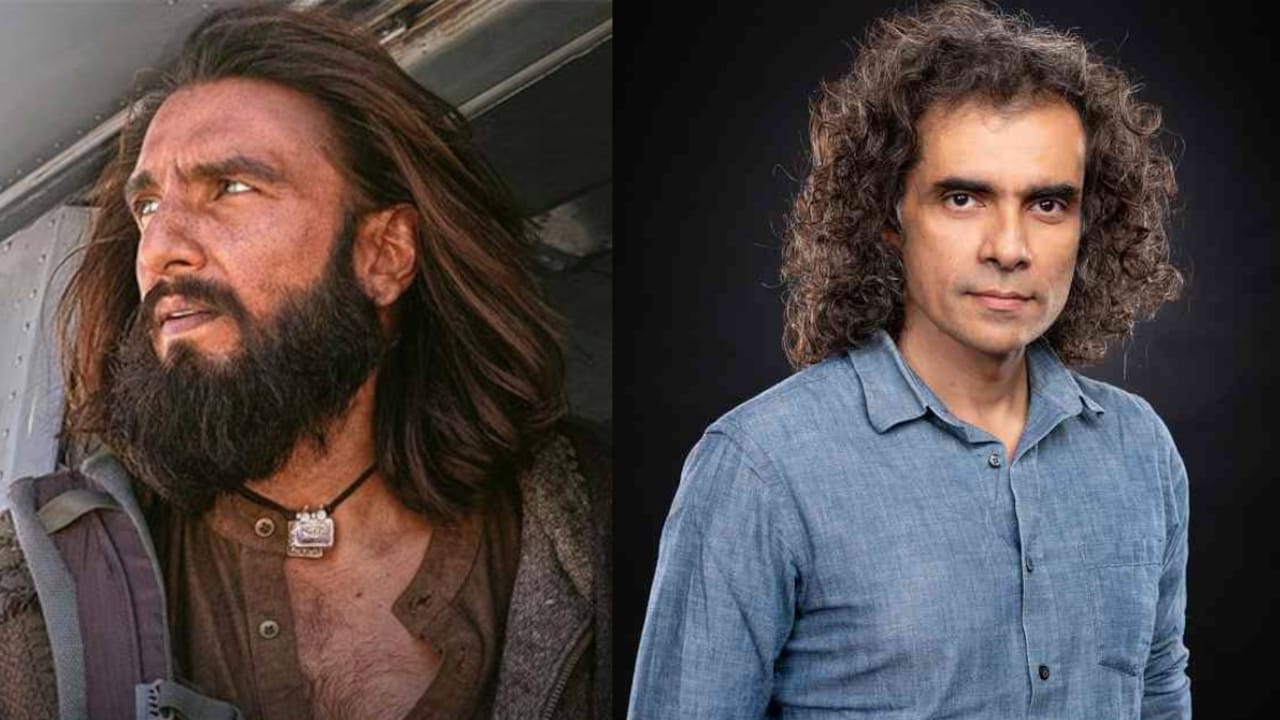
🎬 Latest Development: "Dhurandhar" Decoded: Imtiaz Ali on Why Studios Feared Ranveer Singh's 'Impractical' Vision
Breaking Bollywood's Conventional Mold
📋 What You Need to Know
Filmmaker Imtiaz Ali has consistently pushed the boundaries of conventional storytelling in Indian cinema, often exploring complex human emotions and non-linear narratives. His recent revelation about a project titled "Dhurandhar," intended for Ranveer Singh, casts a revealing light on the perennial tension between artistic vision and commercial viability in Bollywood. Ali candidly shared that studios initially harboured significant doubts, deeming "Dhurandhar" as "the most impractical film." Yet, in a testament to the eventual triumph of unique ideas, he added, "Dhurandhar broke all the rules, and after that everybody wants to make that." This statement encapsulates the challenging journey of groundbreaking cinema, from initial skepticism to eventual industry influence, highlighting the courage required to defy established norms and carve a new path in storytelling.
🎭 Complete Story
The concept of "Dhurandhar" being labeled "impractical" by studios is a common narrative in the creative industry, where financial risks often overshadow artistic merit. For a filmmaker like Imtiaz Ali, known for his distinctive style that prioritises emotional depth and often eschews commercial tropes, this pushback is almost expected. An "impractical" film, in the studio lexicon, typically implies a narrative that doesn't fit neatly into existing successful formulas: it might lack a clear hero-villain dynamic, possess a non-linear structure, explore niche themes, or simply defy the predictable song-and-dance routine. Such projects are perceived as difficult to market, appealing to a limited audience, and therefore, high-risk investments. The involvement of a superstar like Ranveer Singh, who himself is celebrated for his versatility and willingness to experiment, might seem to mitigate some of these risks. However, even a star of his calibre cannot entirely assuage studio concerns when the project itself challenges the fundamental tenets of mass entertainment. Ali's commitment to "Dhurandhar" underscores a director's unwavering belief in a story, even when faced with significant industry resistance. The eventual desire of "everybody to make that" speaks volumes about the delayed gratification of artistic risks, where what was once deemed unviable often becomes the trendsetter. It hints at a film that, despite its initial hurdles, possessed an inherent quality or novelty that eventually resonated, perhaps influencing subsequent cinematic approaches or demonstrating a previously unrecognised audience appetite for unconventional content.
📊 Industry Analysis
The Indian film industry, for decades, has operated on a relatively risk-averse model, heavily reliant on established genres, star power, and formulaic narratives designed for maximum box office returns. This commercial imperative often stifles experimental filmmaking, as studios prioritize predictable success over creative innovation. The initial apprehension surrounding "Dhurandhar" is symptomatic of this broader industry mindset. Films that "break all the rules" are viewed with suspicion because they challenge ingrained notions of what constitutes a 'hit.' The financial stakes are enormous, with budgets running into crores, making studios wary of anything that doesn't guarantee a safe return on investment. However, the landscape is slowly but surely evolving. The advent of OTT platforms and an increasingly globalized, discerning audience has fostered a greater demand for diverse and content-rich cinema. This shift has encouraged some filmmakers and producers to take calculated risks, albeit still cautiously. The journey of films like *Gangs of Wasseypur* or *Newton*, which initially struggled for funding or distribution but later achieved critical acclaim and cult status, exemplifies this slow but positive change. Imtiaz Ali's observation that "after that everybody wants to make that" highlights an interesting paradox: once an unconventional film proves its mettle, either through critical success, unexpected commercial performance, or by influencing cultural discourse, the very concepts that were once rejected become aspirational, leading to a wave of imitations or inspired projects. This pattern underscores the industry's reactive nature, often waiting for pioneers to prove a concept before jumping on the bandwagon.
💬 Expert Commentary
"Imtiaz Ali's comments on 'Dhurandhar' perfectly encapsulate the eternal struggle between artistic freedom and commercial viability in Bollywood," observes Dr. Anjali Sharma, a renowned film historian and critic. "For too long, studios have been hesitant to back projects that deviate from tested formulas, fearing audience rejection. However, the history of cinema, both globally and in India, is replete with examples of films initially dismissed as 'impractical' that went on to become masterpieces or cultural touchstones. Think of a film like Guru Dutt's *Kaagaz Ke Phool*, which was a commercial failure upon release but is now considered a classic. What Imtiaz Ali highlights is the visionary courage required to champion such unconventional narratives. He, along with actors like Ranveer Singh who are willing to take on challenging roles, are crucial for the evolution of our storytelling. The fact that the industry eventually wants to replicate such rule-breaking films suggests a gradual, albeit slow, maturation of audience taste and a growing recognition that true innovation often comes from defying the norm, not adhering to it. It's a cyclical process: a bold filmmaker takes a risk, it eventually pays off in influence or appreciation, and then the industry rushes to catch up."
🎯 Key Takeaways
Imtiaz Ali's candid revelation about "Dhurandhar" and the initial studio skepticism serves as a powerful reminder of the inherent tension between artistic vision and commercial demands in the film industry. His observation that a film once deemed "most impractical" eventually becomes a template "everybody wants to make" speaks volumes about the slow but sure evolution of cinematic tastes and the enduring value of creative courage. Filmmakers like Ali, who dare to break the rules and actors like Ranveer Singh, who embrace challenging roles, are vital catalysts in pushing the boundaries of storytelling. Their perseverance ensures that cinema remains a dynamic art form, capable of reflecting and shaping societal narratives in novel ways. While the journey for unconventional projects will always be fraught with challenges, the eventual influence and appreciation they garner underscore the importance of backing unique voices, fostering innovation, and trusting that audiences are ready for stories that defy the predictable. The legacy of "Dhurandhar," whether it was eventually made or remains a powerful anecdote, lies in its ability to spark a crucial conversation about the future of brave, rule-breaking cinema.
📢 Stay Updated
Follow Hindi Cinema News for entertainment updates. Share your thoughts in the comments.
