
Javed Akhtar Slams Troll Over Nehru Praise, Recalls Youth
🚨 Bollywood News Update — 2026-11-17
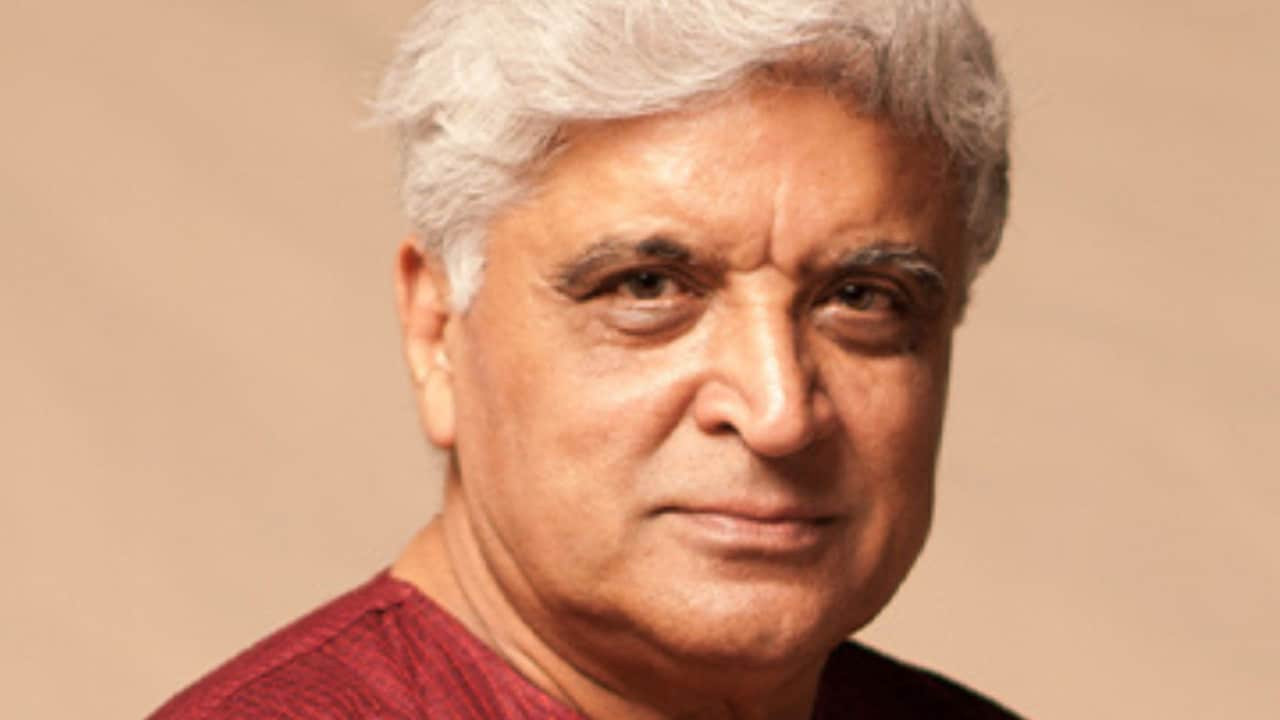
🎬 Latest Development: "Someone Who Will Die A Nobody": Javed Akhtar Unleashes Fiery Retort After Nehru Tribute Backlash
Akhtar defends Nehru tribute fiercely.
📋 What You Need to Know
Javed Akhtar, the celebrated lyricist and screenwriter, found himself at the center of a social media storm after sharing a heartfelt memory of attending Jawaharlal Nehru's birthday celebrations at the age of 18. This seemingly innocuous reminiscence, intended perhaps as a nostalgic look back at a formative experience, quickly drew the ire of a detractor on X (formerly Twitter). The troll's dismissive remark, labeling Akhtar as someone who would "die a nobody," ignited a powerful and characteristic response from the veteran artist. Akhtar's sharp retort not only defended his personal history but also underscored the often-combative nature of online political and historical discourse in India today. This incident highlights the deep divisions and strong opinions surrounding historical figures and public intellectual commentary in the digital age.
🎭 Complete Story
Javed Akhtar's journey into the recent controversy began with a simple, personal reflection shared on X. He recounted a significant moment from his youth, stating, "I was 18 when I got the opportunity to attend Nehru's birthday celebrations." This tweet, intended to share a memory of his formative years and perhaps a connection to a pivotal figure in Indian history, quickly spiraled into a heated exchange. A user, identified as a troll, responded with a derogatory comment, questioning Akhtar's relevance and dismissing his tribute by stating, "You are someone who will die a nobody." This direct and personal attack, aimed at undermining Akhtar's stature and his historical perspective, clearly struck a nerve.
True to his reputation for sharp wit and unwavering conviction, Akhtar did not shy away from confronting the negativity head-on. His powerful counter-response resonated widely, as he retorted, "You are someone who will die a nobody." This direct confrontation was more than just a personal defense; it served as a defiant stand against the culture of online disparagement that often targets public figures for expressing their views, especially concerning historical leaders. Akhtar's reaction underscores a growing trend where any positive mention of figures like Nehru can invite immediate backlash from certain segments of online users.
This isn't the first time Akhtar has been vocal on social media. Known for his candid opinions on a range of social, political, and cultural matters, he has consistently used his platform to engage in public discourse, often challenging prevalent narratives and speaking truth to power. This latest incident is a testament to his continued willingness to engage directly with critics, reinforcing his image as an intellectual unafraid to defend his beliefs and memories against online vitriol. The exchange quickly became a talking point, fueling discussions about civility in online interactions and the often-toxic environment surrounding historical interpretations.
📊 Industry Analysis
The digital landscape, particularly platforms like X, has transformed public discourse into a volatile arena where celebrities and intellectuals often find themselves at the mercy of anonymous trolls. The incident involving Javed Akhtar is a stark illustration of this pervasive issue. In India, political polarization has reached unprecedented levels, turning historical figures like Jawaharlal Nehru into symbols of ideological conflict rather than subjects of nuanced historical debate. Any perceived praise or even a neutral recollection involving such figures can instantly trigger a wave of criticism from users entrenched in opposing political camps.
This environment fosters a culture where nuanced discussions are rare, and quick, often aggressive, rebuttals become the norm. Social media platforms, designed for instantaneous communication, inadvertently amplify these conflicts, allowing a single tweet to escalate into a national debate. The challenge for platforms lies in balancing freedom of expression with the prevention of hate speech and personal attacks. While public figures like Akhtar have a right to express their views, the constant barrage of negativity can have a chilling effect on open dialogue. This dynamic places a significant burden on individuals to navigate a hostile online environment and on platforms to enforce community guidelines effectively. The incident highlights the urgent need for more civil discourse online and a re-evaluation of how historical narratives are discussed and debated in the public sphere, moving beyond simple praise or condemnation towards a more informed and respectful exchange of ideas.
💬 Expert Commentary
"This exchange between Javed Akhtar and a troll is emblematic of the current state of online interaction," notes Dr. Priya Sharma, a prominent social media sociologist. "Public figures often face a dilemma: ignore the negativity and risk being perceived as indifferent, or engage directly and potentially fuel the fire. Akhtar's choice to hit back forcefully, while perhaps controversial to some, sends a clear message that he won't be silenced or disrespected. It's a strategic move that asserts agency in a space often dominated by anonymous aggression."
Dr. Sharma further elaborates, "What we're seeing is not just political disagreement, but a fundamental breakdown in respectful dialogue. Historical figures are no longer viewed through an academic lens but are weaponized for present-day ideological battles. Akhtar's memory of Nehru, a personal and historical reflection, was immediately recontextualized into a political statement by the troll. This incident underscores how deeply personal narratives are politicized online, demanding a more robust framework for fostering healthier digital communities, where genuine historical engagement can occur without undue hostility."
🎯 Key Takeaways
The fiery exchange between Javed Akhtar and an online troll serves as a poignant microcosm of the challenges facing public discourse in the digital age. What began as a personal recollection quickly escalated into a stark demonstration of the deep ideological rifts and the often-aggressive nature of online interactions. Akhtar's powerful retort, while controversial to some, underscores a public figure's right to defend their narrative against unfounded attacks and personal slurs. This incident highlights the urgent need for a more respectful and nuanced engagement with history and contemporary issues, moving beyond the binary of praise and condemnation. As platforms continue to shape how we communicate, the responsibility lies with both users and platforms to foster an environment where diverse opinions can be expressed without fear of vitriol, ensuring that meaningful dialogue doesn't get lost amidst the noise of personal attacks. Figures like Javed Akhtar, by choosing to engage, continue to shape these vital conversations.
📢 Stay Updated
Follow Hindi Cinema News for entertainment updates. Share your thoughts in the comments.
