
Lara Dutta: Kaikeyi's Divine Purpose in Ramayana Reimagined
🚨 Bollywood News Update — 2026-11-16
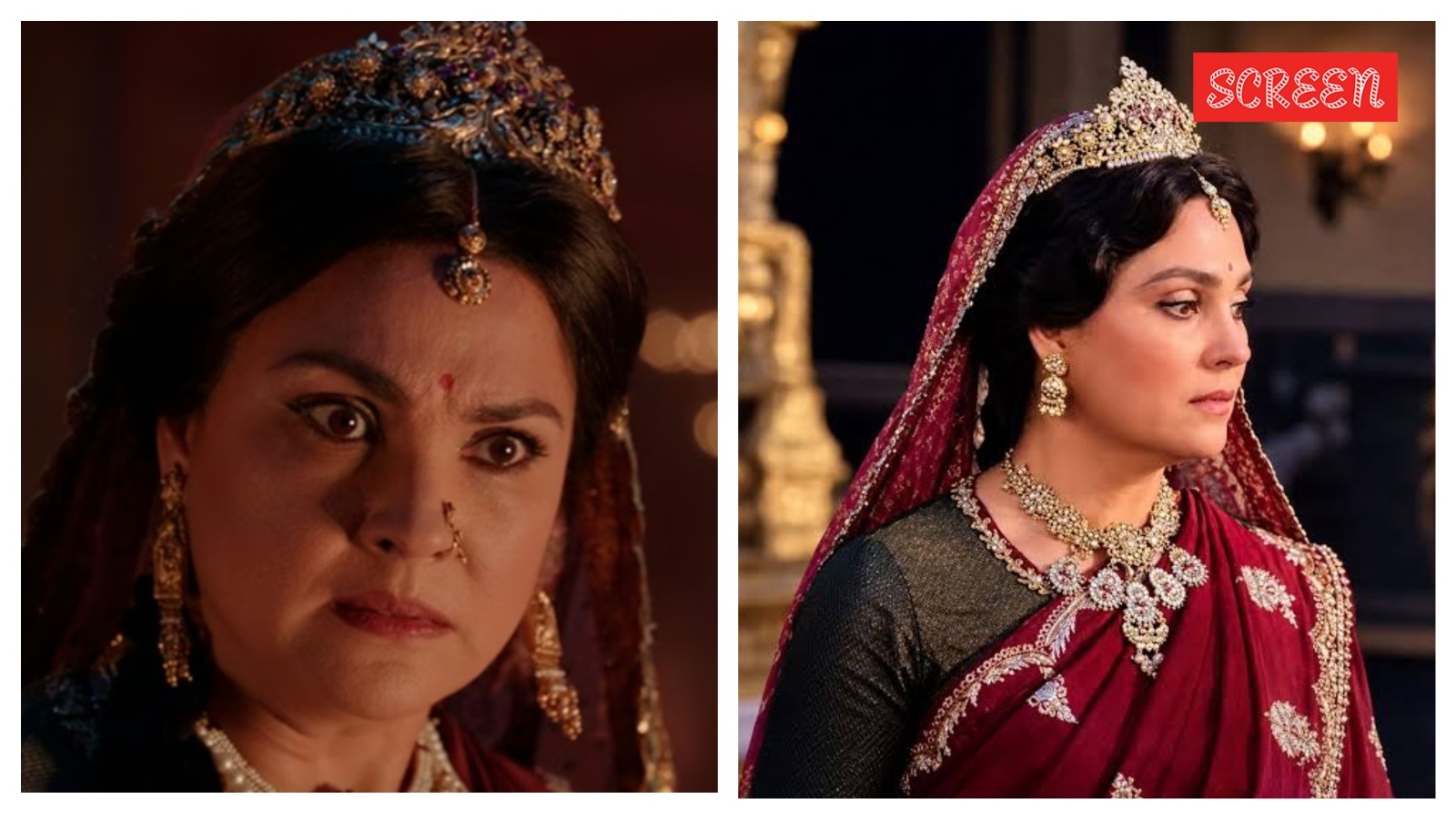


🎬 Latest Development: Beyond the Villainess: Lara Dutta Unveils Kaikeyi's Divine Mandate in Ramayana
Kaikeyi: Not a villain, but divine.
📋 What You Need to Know
For generations, the name Kaikeyi has been synonymous with treachery and jealousy in the epic Ramayana, primarily remembered for her role in exiling Lord Rama to the forest. Her actions are traditionally seen as the catalyst for immense sorrow and the disruption of Ayodhya's peace, cementing her place as one of mythology's most reviled characters. However, actress Lara Dutta, who is set to portray Kaikeyi in an upcoming adaptation, offers a radically different perspective. She asserts that Kaikeyi was not a villain driven by malice but rather an instrument of divine will, fulfilling a crucial purpose in the grand cosmic narrative. This bold reinterpretation challenges centuries of popular perception, inviting us to look beyond simplistic good-vs-evil binaries and delve into the deeper layers of one of India's most beloved epics.
🎭 Complete Story
Lara Dutta's assertion that Kaikeyi operated with a "divine purpose" rather than personal malice offers a compelling re-evaluation of a character long painted in shades of villainy. Traditionally, Kaikeyi's demand for Bharata's enthronement and Rama's fourteen-year exile is attributed to the insidious influence of her maid, Manthara, coupled with Kaikeyi's own insecurities and ambitions. However, Dutta's perspective aligns with a nuanced understanding prevalent in certain philosophical and regional interpretations of the Ramayana, which posits that every character, even those seemingly negative, plays an essential role in the unfolding of a larger divine plan. For Rama to fulfill his destiny as the upholder of Dharma and the vanquisher of Ravana, his exile was a preordained necessity. It was in the forests that he would encounter sages, form alliances, and ultimately prepare for the epic battle.
From this viewpoint, Kaikeyi becomes a tragic figure, unknowingly or unwillingly chosen by fate to initiate this crucial sequence of events. Her actions, while causing immense suffering in the immediate context, were ultimately instrumental in setting Rama on his path to divinity and ensuring the triumph of good over evil. This interpretation elevates her from a mere antagonist to a pivotal, albeit complex, catalyst. It suggests that Kaikeyi, despite her deep affection for Rama (who was often her favorite son), was compelled by circumstances beyond her control, perhaps even by a divine hand guiding her choices through Manthara's instigation. Such a reading provides a framework for understanding seemingly contradictory aspects of her character, transforming her from a one-dimensional villain into a more profound and misunderstood agent of destiny, whose personal sacrifice, though unintended, paved the way for cosmic balance.
📊 Industry Analysis
The re-examination of mythological characters, particularly those traditionally viewed as antagonists, has become a significant trend in contemporary storytelling across various media. This shift reflects a broader cultural desire for more complex narratives, moving away from simplistic portrayals of good versus evil towards exploring the grey areas of human (and divine) motivation. In the "industry" of Indian mythological adaptations – encompassing films, television series, web platforms, and literature – there's a discernible effort to unearth hidden layers and provide alternative perspectives. We've seen similar attempts to humanize characters like Ravana, contextualize Karna's dilemmas in the Mahabharata, or even give voice to female characters often marginalized in patriarchal narratives.
This trend is driven by several factors: a more discerning audience seeking intellectual engagement, the rise of feminist interpretations challenging traditional portrayals of women, and the creative freedom afforded by modern storytelling techniques. By offering a "divine purpose" to Kaikeyi, creators are not merely being contrarian but are tapping into existing, albeit less popular, philosophical interpretations within the vast body of Ramayana literature. This approach allows for fresh narratives, encourages critical thinking about ancient texts, and ensures the enduring relevance of these epics for new generations. Such reinterpretations not only spark public debate but also open avenues for diverse cultural and academic discourse, proving that ancient stories remain dynamic and adaptable to evolving societal perspectives.
💬 Expert Commentary
"Reinterpreting characters like Kaikeyi is not a modern invention; it's an ongoing dialogue within the rich tapestry of Indian mythology," comments Dr. Priya Sharma, a renowned mythologist and cultural studies expert. "While the Valmiki Ramayana presents a more straightforward narrative, numerous regional retellings and folk traditions have always offered nuanced portrayals, sometimes even sympathetic ones, for characters often demonized. Lara Dutta's statement, while from a celebrity, echoes a deeper academic and philosophical engagement with these texts."
Professor Ritesh Gupta, a specialist in ancient Indian literature, adds, "The idea of a 'divine purpose' for seemingly negative actions resonates strongly with the concepts of 'leela' (divine play) and 'dharma' in Hinduism. Every event, every character's action, however painful, is often seen as part of a larger cosmic design necessary for the unfolding of destiny and the establishment of righteousness. Kaikeyi, in this light, transcends personal ambition to become a tool of the divine, albeit an unwitting one, making her a more tragic and complex figure than a simple villain." These insights underscore that such reinterpretations are not just creative liberties but often draw from profound philosophical underpinnings of the epics themselves.
🎯 Key Takeaways
Lara Dutta's bold perspective on Kaikeyi as a character fulfilling a "divine purpose" rather than being a mere villain offers a vital lens through which to re-engage with the timeless epic of the Ramayana. This interpretation not only enriches Kaikeyi's character, transforming her from a one-dimensional antagonist into a complex, perhaps even tragic, agent of destiny, but also encourages a more nuanced understanding of the entire narrative. It reminds us that ancient texts are not static artifacts but living traditions, constantly open to new interpretations that reflect evolving societal values and philosophical insights. By challenging long-held assumptions, Dutta's stance invites us to explore the deeper layers of dharma, destiny, and human motivation that lie at the heart of these foundational stories. Such reinterpretations ensure that the Ramayana continues to resonate, provoke thought, and offer profound wisdom to generations, proving its enduring power and adaptability.
📢 Stay Updated
Follow Hindi Cinema News for entertainment updates. Share your thoughts in the comments.
