
Lara Dutta on Ramayana Kaikeyi Costume Criticism
🚨 Bollywood News Update — 2026-11-12
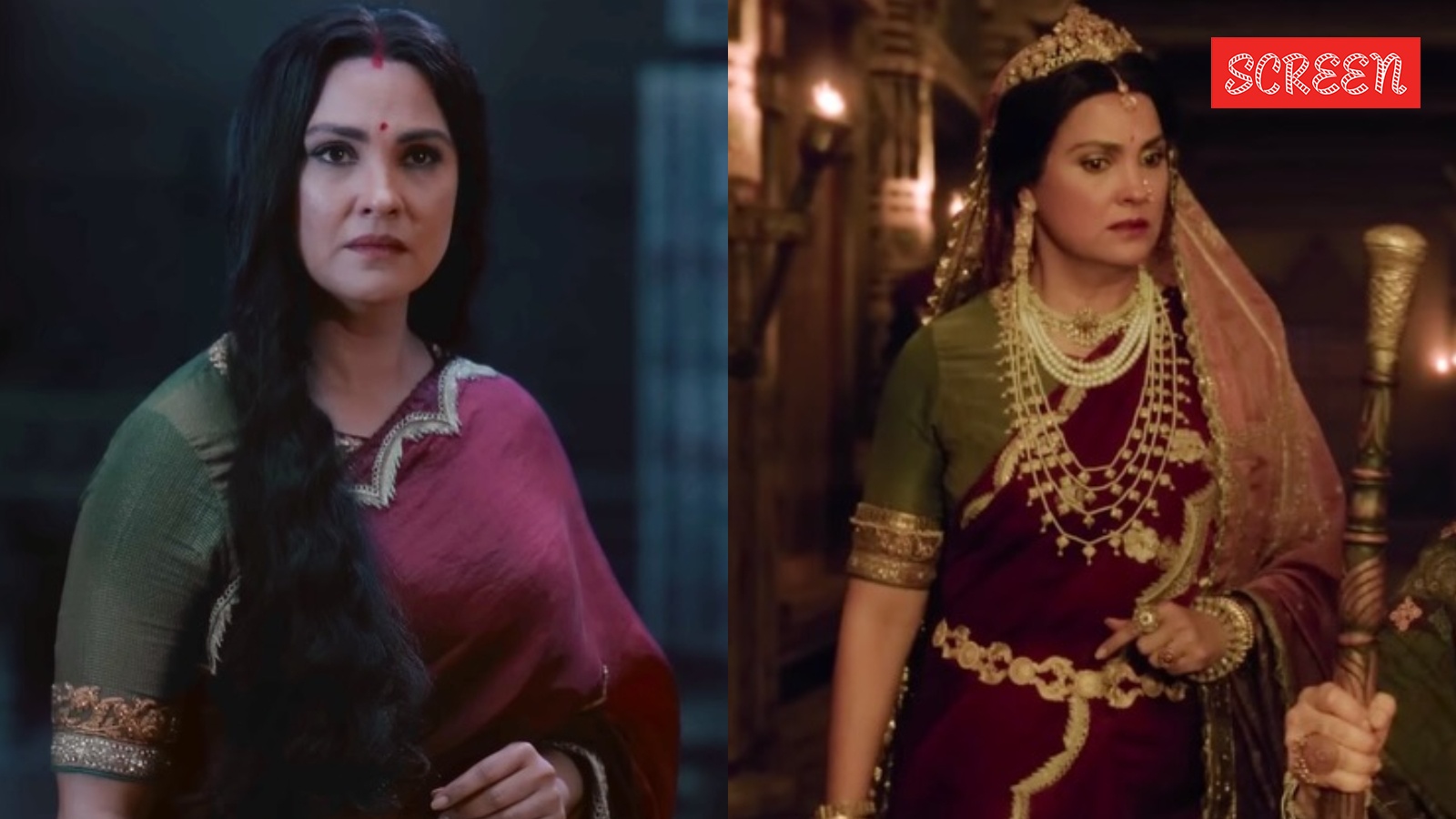
🎬 Latest Development: Lara Dutta Fires Back: Why Ramayana's Kaikeyi Costume Criticism Misses the Mark
Costume Controversy, Creative Freedom
📋 What You Need to Know
The upcoming cinematic adaptation of the revered epic Ramayana has been a subject of intense public scrutiny, even before its release. From casting choices to visual aesthetics, every detail seems to spark passionate debate. One such flashpoint has been the perceived modern look of the characters' costumes, particularly for Kaikeyi, portrayed by the acclaimed actress Lara Dutta. Recently, Dutta addressed the fervent criticism, dismissing it as "nitpicking on tiny things." Her comments have reignited discussions about creative liberties in mythological narratives, the weight of audience expectations, and the fine line filmmakers must tread when bringing ancient tales to contemporary screens. This blog post delves into Dutta's perspective, the nuances of costume design in such grand productions, and the broader implications of public reaction to artistic interpretations of cultural touchstones.
🎭 Complete Story
Lara Dutta’s recent statement regarding the backlash against the Kaikeyi costumes for the upcoming Ramayana adaptation offers a candid insight into the production team's perspective. Characterizing the criticism as "nitpicking on tiny things," Dutta highlighted the immense scale and meticulous effort involved in bringing such an epic to life. Her remarks underscore a common frustration among creators when artistic choices are met with what they perceive as undue focus on minor details, potentially overshadowing the broader vision and narrative integrity. The core of the public's dissent often revolves around perceived historical or mythological inaccuracy, with many viewers holding deeply ingrained visual representations of these characters from previous adaptations or religious texts. For Kaikeyi, a queen from ancient Ayodhya, expectations lean towards traditional Indian attire, elaborate jewellery, and a regal yet culturally specific aesthetic.
However, Dutta's defense implicitly argues for creative license and the necessity for a fresh interpretation to resonate with a modern audience. Filmmakers are constantly challenged to balance authenticity with artistic innovation, ensuring that a story told millennia ago remains engaging and relevant today. This often involves reimagining visual elements, including costumes, to fit a specific directorial vision or to enhance character portrayal. The production team for the Ramayana adaptation, under the guidance of visionary creators, likely invested significant resources into research, design, and execution of every costume. Their aim might be to create a look that is both grand and distinctive, moving beyond conventional depictions to offer a unique cinematic experience. Dutta’s stance suggests that the artistic intent behind these choices should be understood within the context of a large-scale, contemporary production, rather than judged solely on a strict adherence to preconceived notions of historical accuracy. The debate thus boils down to a fundamental question: how much creative freedom can be exercised when adapting revered mythological texts, and where do audience expectations draw the line?
📊 Industry Analysis
The controversy surrounding the Kaikeyi costumes for the Ramayana adaptation is not an isolated incident but rather a recurring theme in the Indian entertainment industry, particularly concerning mythological and historical dramas. Filmmakers grappling with such revered subjects face a unique challenge: balancing artistic vision with deep-seated public sentiment and historical accuracy. Unlike purely fictional narratives, mythological epics like Ramayana come with a vast pre-existing visual vocabulary ingrained in the collective consciousness through Amar Chitra Katha comics, iconic television series like Ramanand Sagar's Ramayan, and numerous religious texts. Any deviation from these established visual tropes, especially in costume or character appearance, is often met with immediate and passionate resistance.
Modern productions, however, also aim for a cinematic grandeur and a contemporary aesthetic appeal that can attract a global audience. This often necessitates a departure from simplistic or overtly traditional designs, incorporating elements of high fashion, advanced fabrics, and intricate detailing to create a visually spectacular experience. The industry often employs top-tier costume designers who conduct extensive research, not just into historical attire but also into symbolism, character psychology, and practical aspects of filmmaking. The "nitpicking" Lara Dutta referred to highlights the chasm between the creators' intent to offer a novel interpretation and the audience's desire for familiarity and authenticity. This tension is further amplified by social media, where initial glimpses and leaked images can rapidly escalate into widespread debates and even boycotts, putting immense pressure on production houses to justify their artistic choices. The success of such adaptations often hinges on their ability to navigate this delicate balance, either by boldly sticking to their vision or by making strategic adjustments in response to public outcry, ultimately shaping the evolution of mythological storytelling on screen.
💬 Expert Commentary
"The scrutiny faced by mythological adaptations regarding their costumes is entirely predictable, yet often unfairly harsh," states Dr. Ananya Sharma, a cultural historian specializing in Indian epics and visual arts. "When you're dealing with texts as deeply embedded in cultural and religious fabric as the Ramayana, every visual element carries immense symbolic weight. Audiences often feel a sense of ownership, having grown up with specific portrayals. However, it's crucial to remember that adaptations are precisely that—interpretations. They are not historical documentaries. A filmmaker's role is to re-imagine, to bring a new perspective, and to make the story accessible and engaging for a contemporary audience without losing its essence. Costume designers face the monumental task of creating attire that is both aesthetically pleasing, culturally resonant, and serves the narrative arc. They often blend historical research with artistic flair, drawing inspiration from various periods and regional aesthetics to craft something unique. To dismiss an entire production's visual strategy based on a single costume, or to demand absolute historical accuracy for a mythological tale, overlooks the complexity of the creative process and the inherent nature of adaptation. Lara Dutta's point about 'nitpicking' reflects a valid frustration when the immense effort and artistic intent are overshadowed by a narrow focus on perceived discrepancies."
🎯 Key Takeaways
Lara Dutta’s forthright reaction to the criticism over Kaikeyi’s costumes for the Ramayana adaptation effectively encapsulates the perennial tension between creative interpretation and public expectation in Indian cinema. Her "nitpicking" comment sheds light on the immense pressure faced by filmmakers tasked with bringing revered mythological narratives to the modern screen, where every detail is scrutinized under a microscopic lens. While audiences hold deep emotional and cultural connections to these stories, demanding visual fidelity to established norms, creators often strive for fresh perspectives and cinematic grandeur. The debate over Kaikeyi’s attire is a microcosm of a larger discussion about artistic license versus cultural responsibility. Ultimately, the success of such adaptations hinges on a delicate balance: honoring the essence of the original epic while daring to reimagine its visual language. As the industry continues to explore new ways to tell these timeless tales, the dialogue between creators and audiences will undoubtedly evolve, shaping the future of mythological storytelling in a rapidly changing world.
📢 Stay Updated
Follow Hindi Cinema News for entertainment updates. Share your thoughts in the comments.
